As the world marks the International Day of Food Safety on June 7, attention is turning to the millions of people affected each year by foodborne diseases. Under the theme “From burden to solutions: universal access to safe food”, the 2026 observance highlights the need for science-based action, stronger prevention measures and greater collaboration to ensure safe food for everyone.
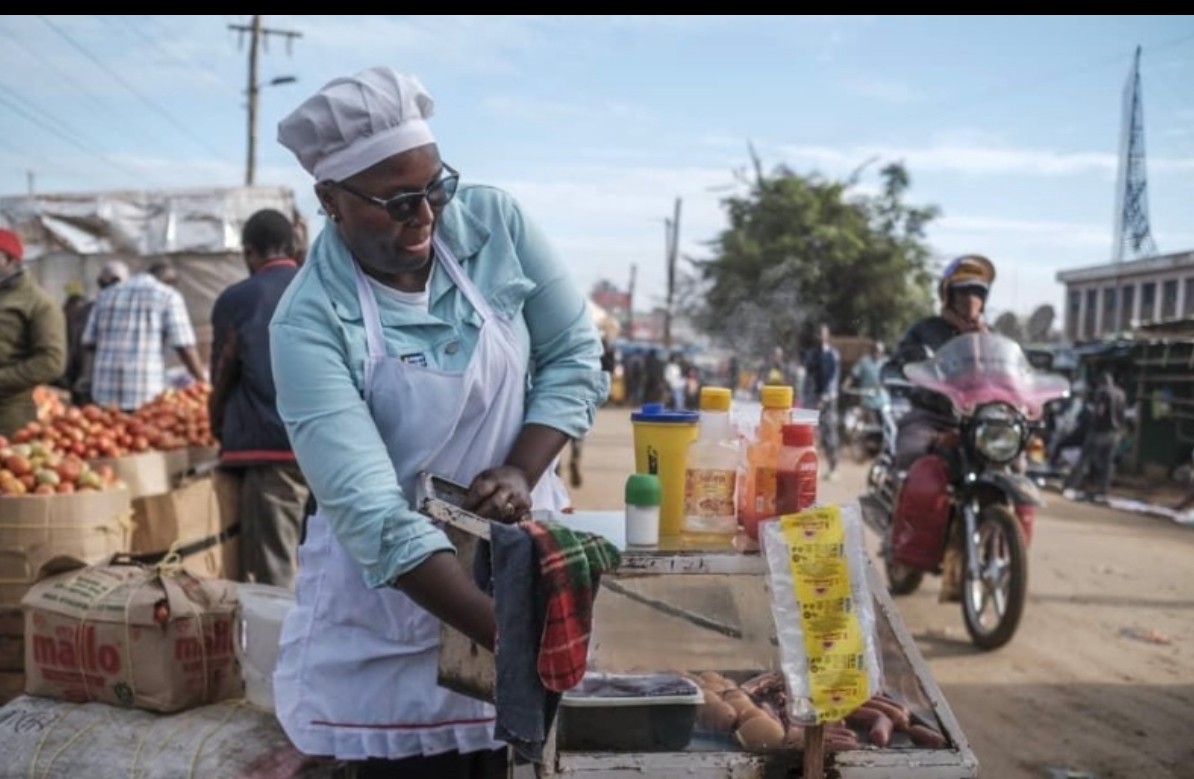
Good hygiene practices behind the counter help keep street food safe for everyone.
Foodborne diseases continue to represent a significant global burden, affecting health, livelihoods, education and economic development. More than 200 diseases are known to be transmitted through contaminated food, making food safety one of the most pressing public health concerns worldwide.
While many of these illnesses are preventable, millions of people still fall sick every year after consuming unsafe food. The consequences extend beyond hospitals and health facilities, impacting productivity, family incomes and national economies.
The 2026 edition of the International Day of Food Safety is celebrated under the theme “From burden to solutions: universal access to safe food”. The theme emphasizes the importance of moving from awareness to concrete action by strengthening prevention, improving surveillance systems and promoting scientific evidence as a foundation for decision-making.
In Cameroon, food contamination, poor hygiene practices and inadequate quality control remain major public health challenges. Authorities and partners are therefore using this year’s commemoration to mobilize stakeholders across the food chain and encourage the adoption of safer practices.
Public awareness is at the heart of the initiative. Efforts are focused on educating consumers about the dangers of foodborne diseases while encouraging producers, processors and distributors to comply with Good Hygiene and Manufacturing Practices. Experts also stress the role of innovation and scientific research in identifying hazards and improving food safety management.
Food safety begins at the production stage. Farmers and livestock breeders are encouraged to use fertilizers, animal feed and veterinary medicines responsibly and according to recommended standards. Proper storage and transportation of food products are equally important, particularly for perishable goods that require strict temperature control.
At markets and points of sale, vendors are encouraged to maintain hygienic conditions, separate fresh and dry products, properly preserve meat and fish, and ensure effective waste disposal. Consumers also have a crucial role to play by washing their hands before handling food, using safe water for cooking, respecting cooking times and avoiding repeated reheating of food or cooking oil.
Several activities have been planned to mark the event, including a digital awareness campaign through social media and traditional media outlets, sensitization sessions for restaurant operators and street food vendors around Jamot Hospital, a webinar on universal access to safe food, and training workshops for bakery workers in Yaoundé on hygiene and bread production practices.
Health experts emphasize that food safety is a shared responsibility. Governments, scientists, producers, traders and consumers all have a role in ensuring that food remains safe from farm to fork. Through stronger collaboration, adherence to standards and the application of scientific knowledge, safer food systems can be built for the benefit of all.
Ornéla ZANGA