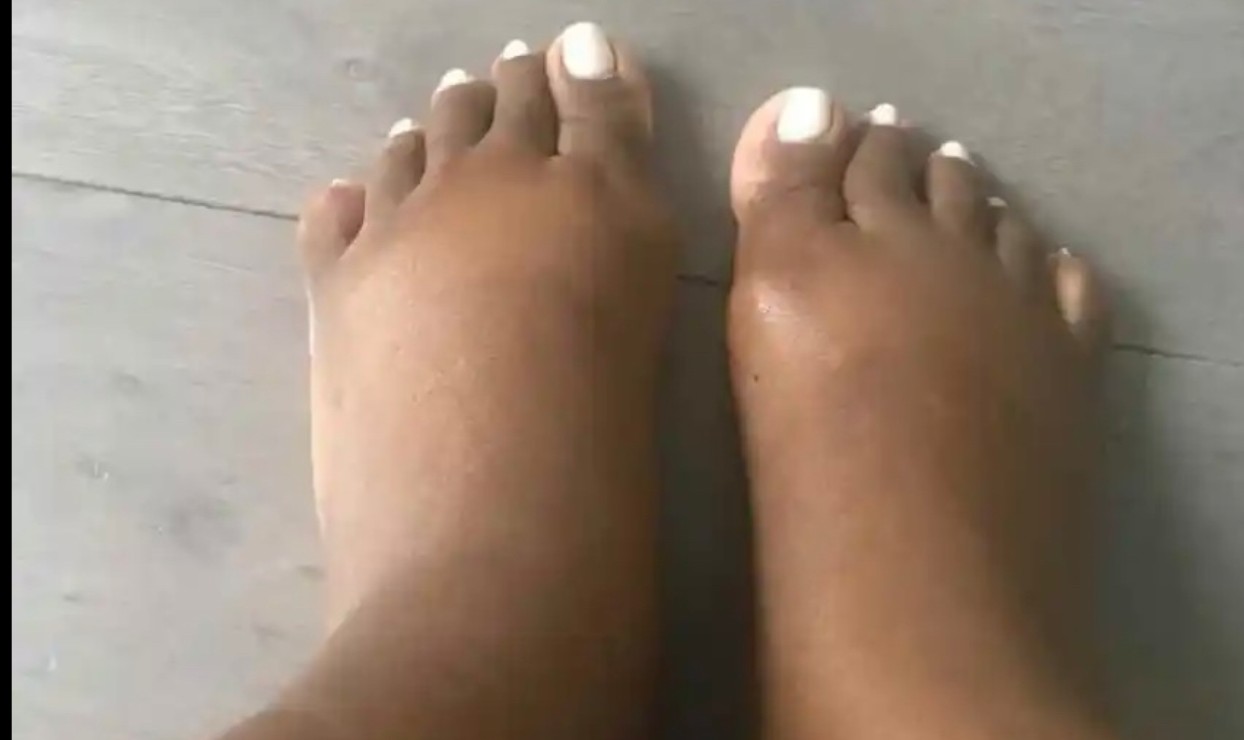
Often harmless but uncomfortable, swollen feet can be prevented through simple daily habits such as proper hydration, regular movement, leg elevation, and wearing well-adapted footwear. These small actions can make everyday life feel noticeably lighter.
Simple daily habits like staying active, hydrating well, and choosing comfortable footwear can help prevent and relieve swollen feet, improving overall comfort and mobility.
Understanding the cause of swelling
Swollen feet, known as edema, occur when fluid accumulates in the tissues. Heat, prolonged standing, sedentary behavior, a high-salt diet, or certain life stages such as pregnancy can contribute to this condition. In most cases, it is a functional and non-serious issue, but it deserves attention when it becomes frequent or persistent.
Moving to stimulate circulation
One of the first preventive measures is to promote blood circulation. Regular walking, even over short distances, helps activate venous return and reduces blood pooling in the lower limbs. Simple exercises such as ankle flexion and extension or circular foot movements can be done while sitting or lying down.
Avoiding prolonged periods in the same position, whether sitting or standing, is essential to prevent swelling.
Elevating the feet: an effective reflex
Raising the feet for a few minutes each day helps blood and fluids return toward the heart. At the end of the day, lying down with the feet slightly elevated above hip level can quickly reduce edema and provide a feeling of relief and lightness.
Hydration and balanced diet
Contrary to common belief, drinking enough water helps reduce fluid retention. Proper hydration enables the body to eliminate excess sodium more effectively. Limiting salt intake and ultra-processed foods also helps prevent foot swelling.
Fruits and vegetables rich in potassium, such as bananas, avocados, and leafy greens, support fluid balance in the body.
Appropriate footwear and clothing
Footwear choice plays an important role. Tight shoes can restrict circulation and promote edema. Comfortable, well-fitted shoes with soft soles and moderate heels are generally recommended.
Similarly, overly tight clothing around the ankles or calves should be avoided, as it may hinder venous return.
Cool water and massages
Foot baths in cool water or cold-water showers on the legs help stimulate circulation and reduce inflammation. Gentle massages, performed from the bottom upward, promote fluid drainage and provide immediate relief.
When to seek medical advice
If swelling becomes sudden, painful, asymmetrical, or is accompanied by symptoms such as shortness of breath, chest pain, or rapid weight gain, medical consultation is essential. These signs may indicate an underlying condition requiring specific treatment.
Prevention for better well-being
Swollen feet, although common, are not inevitable. Adopting simple habits; moving more, staying well hydrated, and choosing appropriate footwear, can significantly improve comfort and overall quality of life.
Ornéla ZANGA