Through the Animal Production and Industries Development Program, MINEPIA intends to modernize farms, facilitate access to production resources and stimulate local processing of animal products.
Livestock farming in Cameroon is at a pivotal moment in its history. Long considered a subsistence activity practiced by family farmers with limited resources, it is now at the heart of a vast modernization strategy spearheaded by the Ministry of Livestock. The Animal Production and Industries Development Program, part of the MINEPIA’s strategic plan, aims to radically transform this sector by equipping it with modern infrastructure, improving the productivity of the supply chains, and stimulating the industrialization of local processing of animal products.
This program, whose implementation falls under the technical responsibility of the Directorate for the Development of Animal Production and Industries, addresses
major challenges for Cameroon. The weak organization of stakeholders, insufficient production infrastructure, and limited healthcare coverage in rural areas are all obstacles to the growth of a sector that nonetheless holds significant potential for growth and job creation. In response to this situation, the government has made the development of animal production a national priority, in line with the objectives of the Integrated Agro-Pastoral and Fisheries Import-Substitution Plan (PIISAH) 2024-2026, promulgated by the Head of State.
The stated ambition is clear: to reduce the import bill and guarantee food self-sufficiency for the population. To achieve this, the program is targeting a specific sector with a particularly glaring trade deficit: the dairy industry. Milk imports, which reached 17,190 tons in 2023, illustrate the country’s dependence and the urgent need to revitalize local production. The program’s strategy therefore includes promoting dairy farms, facilitating access to financing and modern equipment, and improving farm yields through the introduction of high-performing genetic material. The creation of artificial insemination centers and the training of professional inseminators, in collaboration with SODEPA (the state-owned agricultural development agency), are among the concrete actions undertaken.
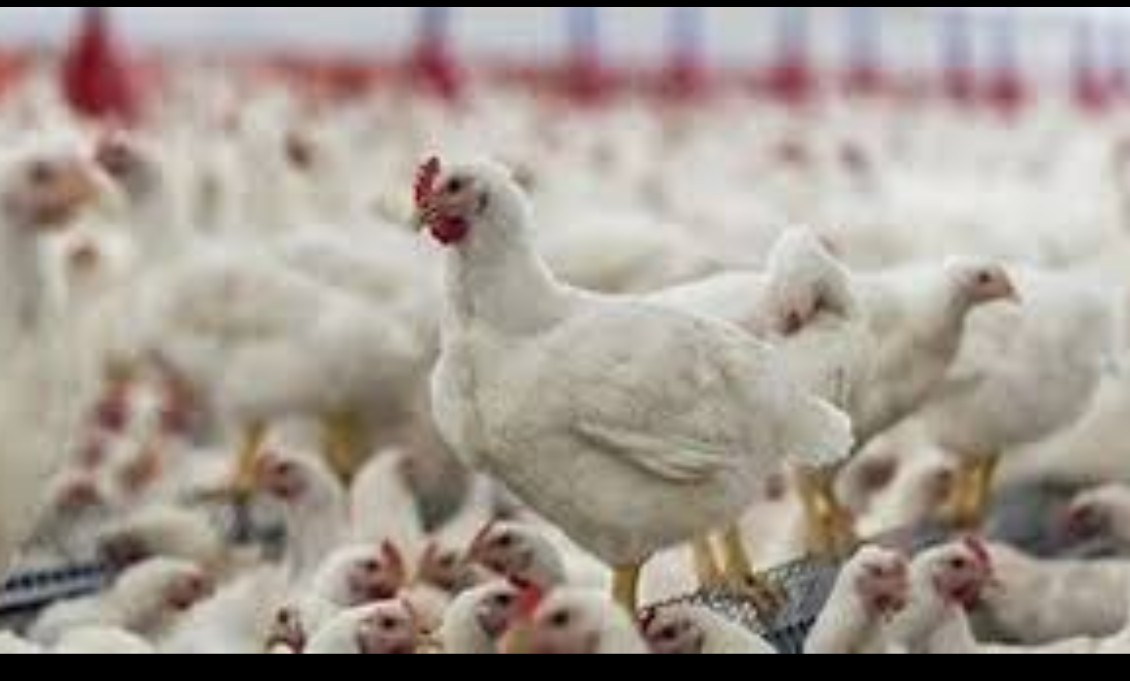
Beyond the dairy sector alone, the program covers all livestock sectors: beef, pork, poultry, small ruminants, as well as beekeeping and non-conventional livestock farming. Seven key actions have been defined to achieve the objective of increasing meat equivalent production. Among these are the development of agro-pastoral areas and the control of livestock feed quality, a crucial dimension in the face of the effects of climate change, which disrupt production cycles and degrade pastures. In this context, the program focuses on intensifying forage crop production and modernizing rural infrastructure, particularly through solar energy, to ensure a secure food and water supply for livestock.
This vast transformation project is based on a participatory and inclusive approach. The program’s implementation involves the decentralized services of the Ministry of Livestock, Fisheries and Animal Industries (MINEPIA), decentralized local authorities, producer organizations, as well as partner projects and programs such as the ACEFA Program, the PD-CEVEP, PULLCA, and PARPAC. Particular attention is paid to the involvement of women and youth, who represent a significant percentage of beneficiaries, especially in capacity-building processes and support for productive assets.
As Cameroon accelerates its digital transformation and food sovereignty becomes a
crucial issue, the Livestock Production and Industries Development Program is emerging as a strategic lever. The goal is not simply to increase production volumes, but to build structured, competitive, and resilient supply chains capable of feeding the population and revitalizing the rural economy. The future of Cameroonian livestock farming hinges on its ability to transition from a subsistence activity to a genuine industry that generates wealth and decent jobs.