A rapidly worsening cholera outbreak in northeastern Nigeria has claimed at least 74 lives and infected nearly 7,850 people, placing additional strain on an already fragile health system in Borno State.
Cholera outbreak in Nigeria’s Borno State leaves dozens dead and thousands suspected infected, as health services struggle to contain the rapidly spreading disease.
Since early May 2026, Borno State has been battling a major surge in cholera cases, with health authorities reporting a sharp increase in infections across 14 local government areas. According to data compiled by Médecins Sans Frontières (MSF) as of June 7, the outbreak had resulted in almost 7,850 suspected cases and 74 deaths. The figures continue to rise as new cases are reported daily.
The outbreak is unfolding in a region that has endured nearly 17 years of armed insurgency, leaving health infrastructure severely weakened and limiting access to essential services. Years of conflict have displaced millions of people, damaged water and sanitation systems, and created conditions that facilitate the rapid spread of waterborne diseases such as cholera.
Cholera is an acute diarrheal infection caused by ingesting food or water contaminated with the bacterium Vibrio cholerae. Without prompt treatment, severe cases can lead to dehydration and death within hours. The disease thrives in areas where access to clean drinking water and adequate sanitation is limited.
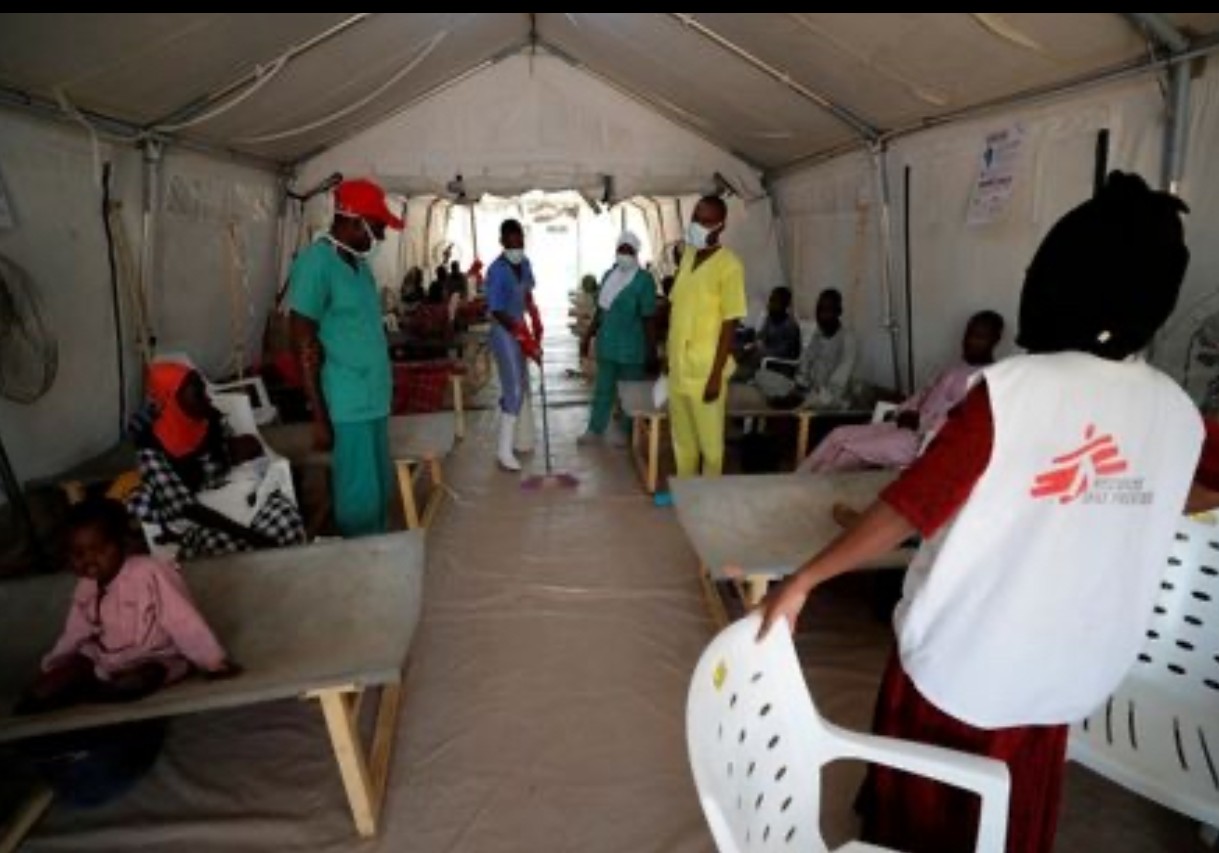
In response to the growing emergency, MSF has joined forces with the Borno State Ministry of Health to strengthen the medical response. A dedicated cholera treatment center has been established in Maiduguri, the state capital, where medical teams are working around the clock to care for patients.
The facility is currently receiving an average of 230 patients each day. However, the scale of the crisis became particularly evident on June 5, when more than 500 people were admitted within a single day, marking the highest daily influx recorded since the beginning of the outbreak.
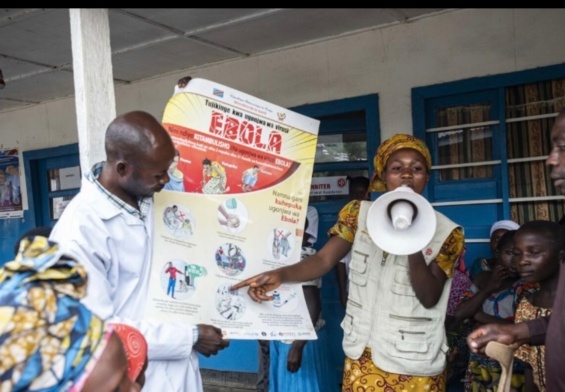
Health workers are providing lifesaving treatment, including oral rehydration therapy and intravenous fluids for severe cases. At the same time, surveillance teams are monitoring the spread of the disease while community outreach activities focus on promoting hygiene practices and raising awareness about prevention measures.
Authorities are also preparing a vaccination campaign aimed at reducing transmission in the most affected communities. Public health experts stress that vaccination, combined with improved access to safe water, sanitation facilities, and timely medical care, will be critical to controlling the outbreak.
Despite these efforts, concerns remain high. Humanitarian organizations warn that if containment measures fail to curb transmission, the disease could spread beyond the currently affected areas and threaten neighboring communities across the region.
As Borno confronts yet another public health emergency, health officials and aid agencies are urging increased support to strengthen the response and prevent further loss of life among some of Nigeria’s most vulnerable populations.