As the school holidays are in full swing across Cameroon, young people are taking part in a wide range of activities designed to keep them engaged. From holiday football tournaments to community clean-up campaigns, local initiatives are helping promote healthier lifestyles and improve public health.
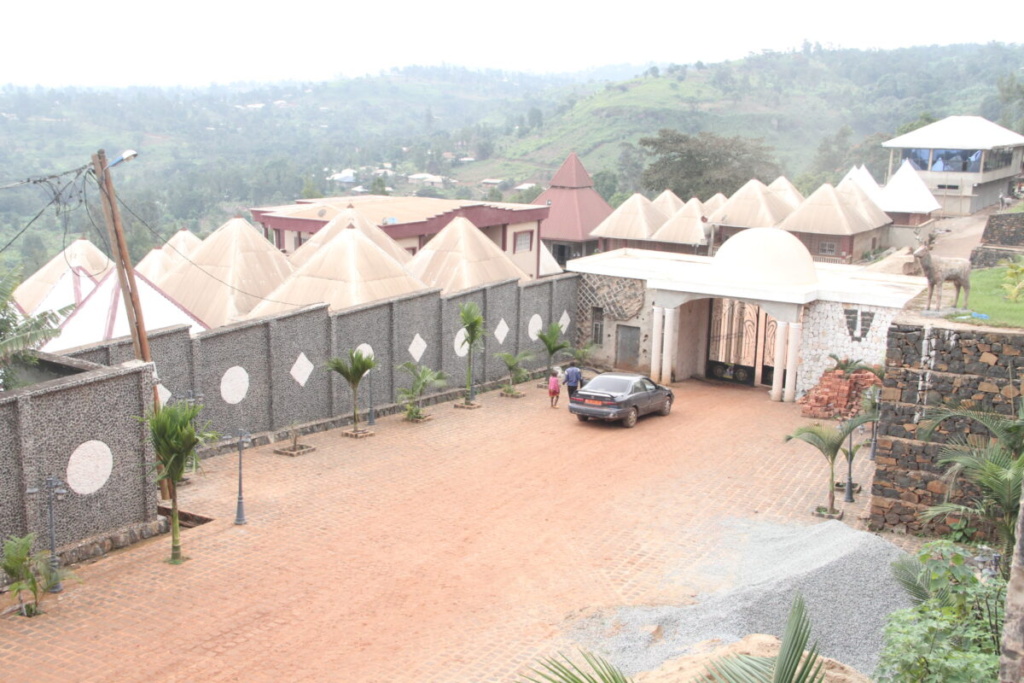
With schoolbooks put away for the long break, the village of Balekouet, nestled among the scenic mountains of western Cameroon, has chosen to give its youth a meaningful holiday experience. In this major chiefdom of the Nkong-Ni Subdivision, Menoua Division, West Region, the holidays are not about idleness but about active community engagement. Since 28 June 2026, the village has been hosting the third edition of its “Useful Holidays” program, a large-scale community initiative that combines sports, environmental sanitation and cultural activities with one common goal: improving the overall health and well-being of the population.
Football and athletics as tools for disease prevention
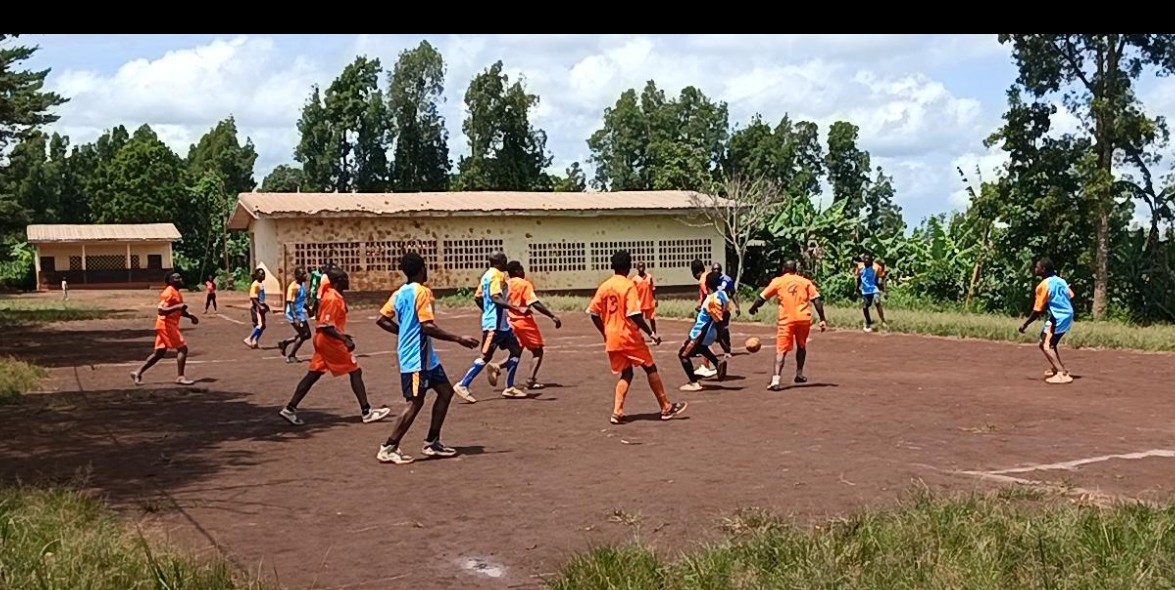
Under the leadership of His Majesty Kueatsop Tetakeua Pierre Aimé, Chief of Balekouet, the traditional football tournament brought together young people from the village’s 17 neighborhoods, as well as neighboring communities in Baleveng. Beyond entertainment and the race for the championship title currently held by Center FC, the tournament serves as an open-air public health intervention.Bringing together 12 teams divided into two groups, the competition encourages regular physical activity among participants aged 7 to 30. At a time when sedentary lifestyles are becoming increasingly common, football and athletics have emerged as powerful preventive health measures. Regular participation helps reduce the risk of non-communicable diseases such as hypertension, heart disease, type 2 diabetes and obesity. Sport also promotes mental well-being by reducing stress and anxiety while helping prevent depression through the release of endorphins. As 18-year-old Darole Tsakeu explains, “When you take part in these sports activities, it helps you stay healthy.”
Environmental sanitation: another pillar of preventive health
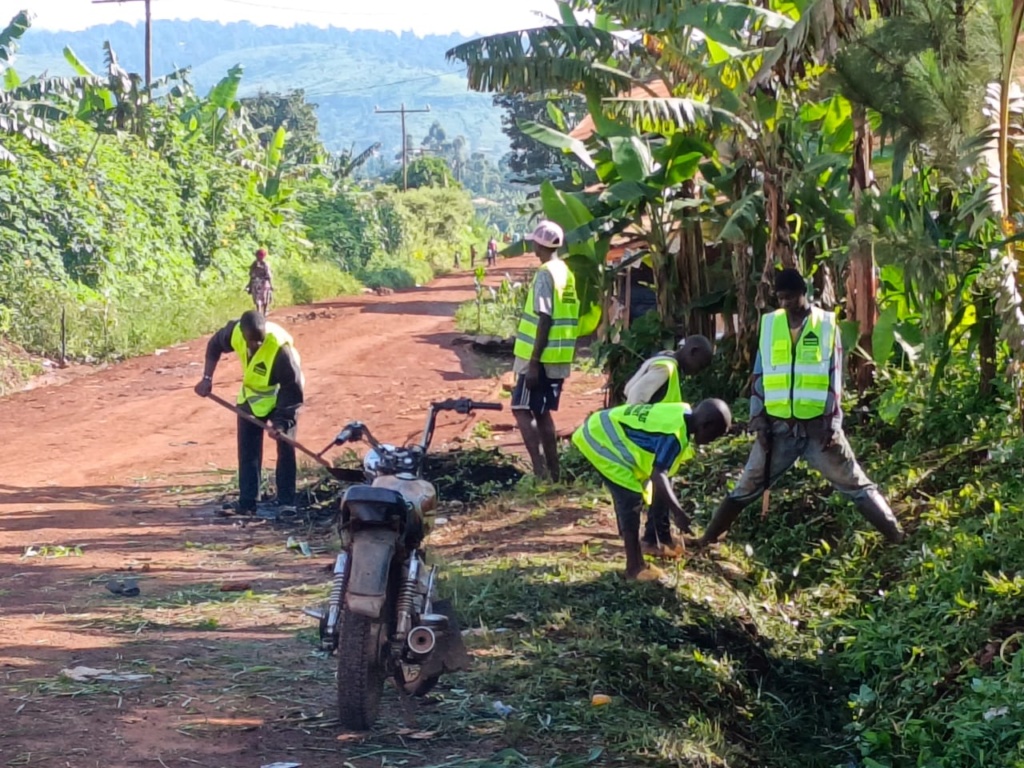
In Balekouet, health is promoted not only on the football field but also throughout the village. Alongside the sporting events, large-scale clean-up and sanitation campaigns have been launched. Around 300 children and young adults are taking part every day in clearing overgrown vegetation and cleaning areas surrounding homes.These hygiene efforts have an immediate impact on community health. By removing stagnant water and overgrown bushes, participants eliminate mosquito breeding sites, helping reduce the risk of malaria, which remains one of Cameroon’s leading public health challenges. Mooh Kemka Nawessi, who coordinates cultural activities, explains: “Our objective is to teach children how to maintain a clean environment in order to protect the village.” Ten-year-old Efrem Dongmo has already embraced this civic responsibility: “I am here to help keep my village clean so that we can protect people’s health.”
Promoting healthy bodies, healthy minds and stronger communities
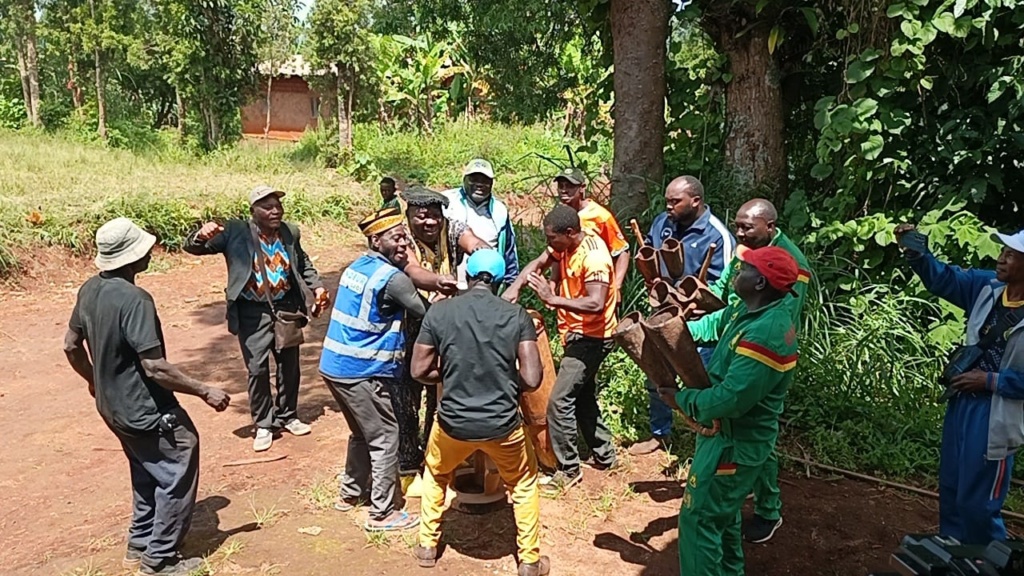
The “Useful Holidays” initiative embraces a holistic vision of well-being. René Demanou Mooh Tekandong, a notable of the chiefdom, says the program seeks to foster peace, development and unity among local youth, young people returning from other parts of Cameroon and members of the diaspora. Activities planned for the coming weeks include lessons in the local language, traditional basket-weaving workshops and, above all, a community health outreach campaign.To conclude the program, the chiefdom will reward participants’ commitment and discipline during the grand finale scheduled for 23 August.
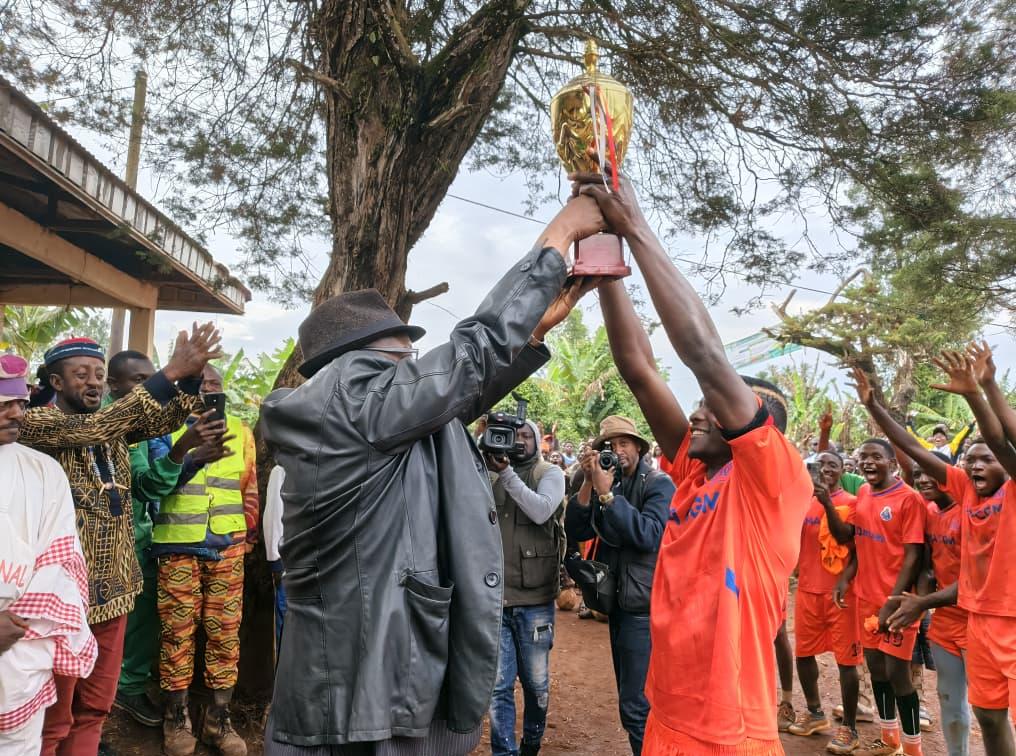
School supplies will be distributed to children, while parents will benefit from free medical consultations and healthcare services. Although challenges remain, including the need to improve local road infrastructure, Balekouet is demonstrating that investing in young people through sports, environmental sanitation and community engagement is one of the most effective ways to build healthier, stronger and more resilient communities.