From 09 to 12 July 2026, the Adamawa region is mobilising against two silent scourges: polio, a highly contagious viral disease that can cause lifelong paralysis, and micronutrient deficiencies, aggravated by malnutrition. In total, 162 vaccination teams will criss-cross households, markets and public places to administer to every child under 5 a double protection: the polio vaccine and vitamin A.
As in other regions of Cameroon, Adamawa is fully engaged in the polio vaccination response campaign, coupled with the Week of Action for Maternal Health and Child and Maternal Nutrition. These interventions aim to immunise children against vaccine-preventable diseases. In the Adamawa region, this large-scale operation began on 9 July with the effective mobilisation of vaccinators in the field. Priority is given to children under 5, the only target allowing them to be protected against the severe forms of these pathologies.
From 09 to 12 July, health teams will go from door to door, to households, markets and gathering places, in order to reach as many children as possible. The objective is twofold: to strengthen the immunity of the little ones against polio, a formidable infection that can cause irreversible paralysis; to improve their nutritional status through vitamin A, an essential element for growth and the prevention of infections. According to health officials mobilised for this campaign, the response strategy responds to a double emergency: to counter any potential circulation of wild or vaccine-derived poliovirus, and to fill micronutrient deficiencies, which are common in young children. Vitamin A, administered to the little ones, reduces the risk of complications linked to malnutrition and strengthens their immune defences.
Admittedly, the Adamawa region has not recorded any cases of polio for more than 15 months. However, the persistence of the virus in the countries of the Lake Chad basin, bordering Cameroon, exposes children in this area to a real risk of contamination. Vigilance therefore remains essential, and this four-day campaign constitutes an essential shield.
Health authorities are issuing an urgent appeal to parents and guardians: give a warm welcome to the vaccination teams and present all the children concerned, without distinction of sex, ethnicity or place of residence. The success of this operation depends on the support of communities and the willingness of families to open their doors to vaccinators.
Availability of Agents and Vaccines
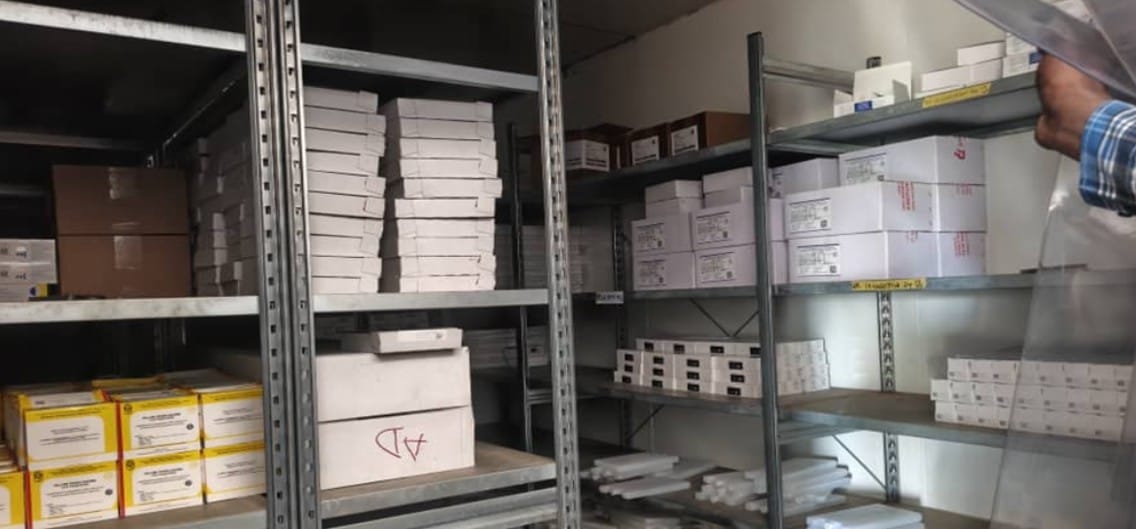
To immunise children aged 0 to 5, 162 vaccinations teams are deployed across the entire regional territory. Questioned about logistics, the head of the logistics and maintenance unit of the Expanded Programme on Immunisation (EPI) at the regional level, Emmanuel Hirihiri Azouco, sought to reassure: « The vaccines are available and their distribution to the various
health districts was completed between 1 and 4 July. » This availability guarantees that the objective of reaching 100% of the target children for this double campaign is realistic and achievable.
This dual health intervention is part of the ongoing efforts to fight vaccine-preventable diseases and child malnutrition. In a context where epidemiological surveillance remains paramount, awareness-raising among populations constitutes a determining link in achieving the expected results.
Through this four-day campaign, health actors hope not only to prevent polio, but also to sustainably improve the overall health of children in Adamawa. Massive participation from parents is therefore more than expected: it is essential to ensure the success of the operation and guarantee lasting protection for future generations.