An unpaid salary dispute has triggered a strike at an Ebola treatment center in eastern Democratic Republic of the Congo, disrupting patient care as the country battles the fastest-growing Ebola outbreak ever recorded. The walkout comes as infections approach 3,000 and the death toll continues to climb.
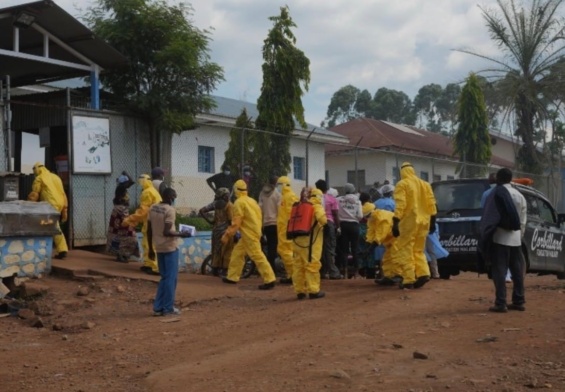
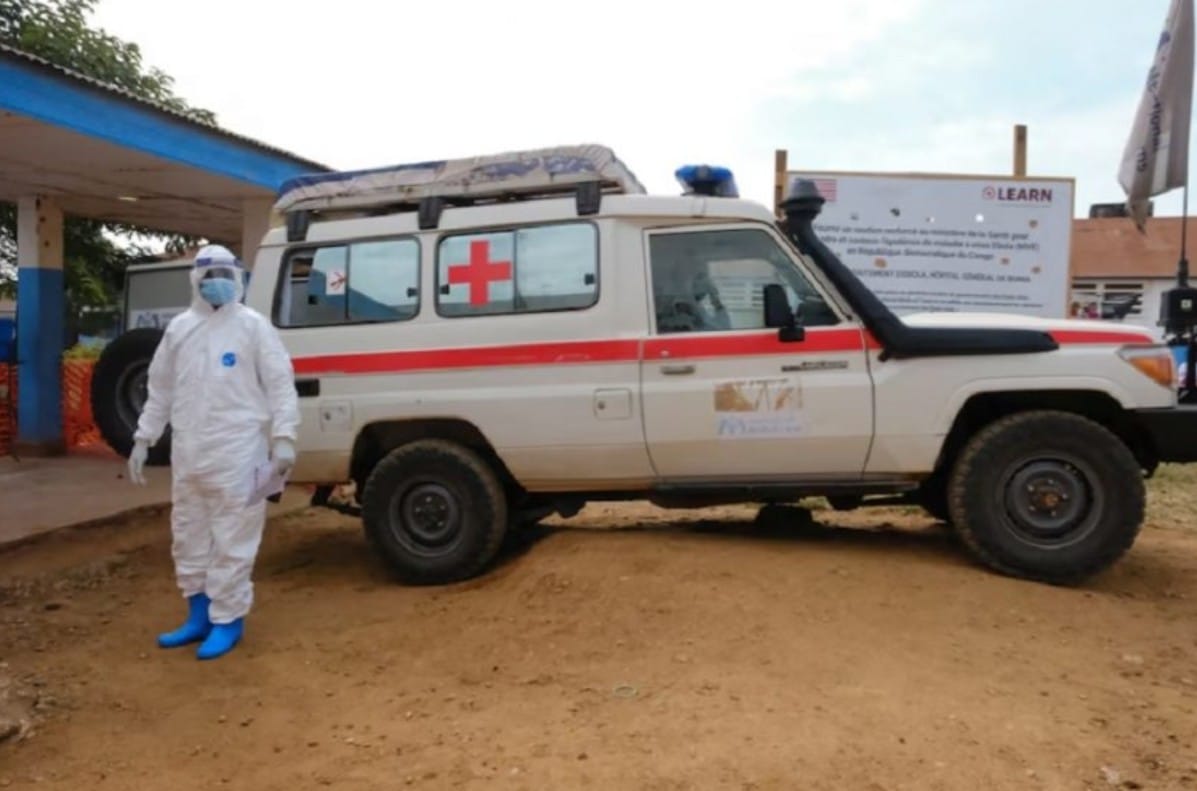
The Democratic Republic of the Congo is confronting a dual emergency: a rapidly expanding Ebola outbreak and growing unrest among the very health workers leading the response. At the Elikya Ebola Treatment Center in Bunia, Ituri Province, doctors, nurses and support staff suspended work after months of unpaid performance bonuses, raising fresh concerns about the country’s ability to contain the epidemic.
According to government figures released on Friday, the country had recorded 2,973 confirmed Ebola cases, including 1,309 deaths. The latest surge followed a review of surveillance data that identified hundreds of previously uncounted
infections, underscoring the scale of transmission in the outbreak’s epicenter.
Nearly one hundred health workers gathered outside the Bunia treatment center to demand immediate payment of two months of outstanding bonuses. Staff representatives warned that low morale and financial hardship were affecting their ability to continue working under extremely dangerous conditions. They said the strike would continue until authorities provided concrete solutions.
The protest comes at a particularly critical moment. Prime Minister Judith Suminwa visited Ituri Province a day earlier to assess the national Ebola response and met healthcare workers who voiced similar concerns over delayed payments. Officials overseeing the outbreak have since said the government is transitioning to mobile money payments and expects the salary backlog to be cleared within days.
The outbreak, declared in May, is caused by the Bundibugyo strain of the Ebola virus, a rare variant for which there is currently no licensed vaccine or approved treatment. Although experimental therapies are being evaluated, health authorities continue to rely heavily on rapid case detection, isolation, contact tracing, infection prevention measures and safe burials to interrupt transmission.
Public health experts warn that the epidemic has become increasingly difficult to control. Many new infections cannot be linked to known chains of transmission, while insecurity, community mistrust and attacks on healthcare workers continue to hamper response efforts in eastern Congo. Large numbers of deaths are still occurring outside health facilities, making it harder to identify contacts and prevent further spread.
The crisis has also taken on a regional dimension. Uganda has successfully contained imported cases linked to the Congolese outbreak and has entered the 42-day surveillance period required before being declared Ebola-free. Meanwhile, international health agencies continue to support surveillance and preparedness efforts across neighboring countries to reduce the risk of cross-border transmission.
As the number of infections continues to rise, the strike in Bunia highlights a critical reality: defeating Ebola depends not only on medicines, laboratories and surveillance systems, but also on ensuring that frontline health workers are protected, supported and paid. Without a stable workforce, public health officials fear the outbreak could become even more difficult to contain.