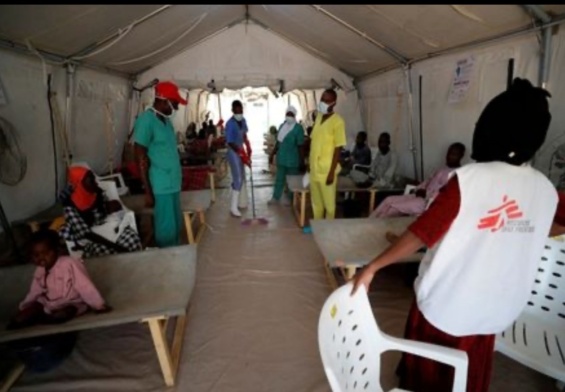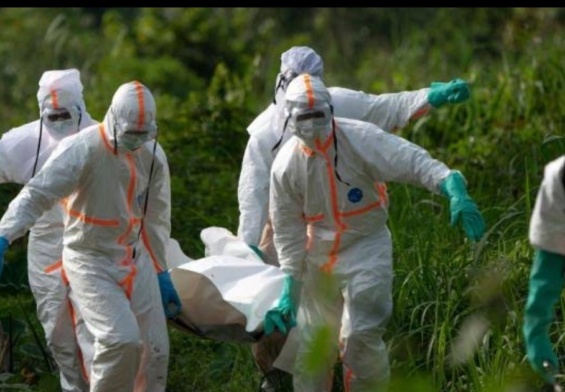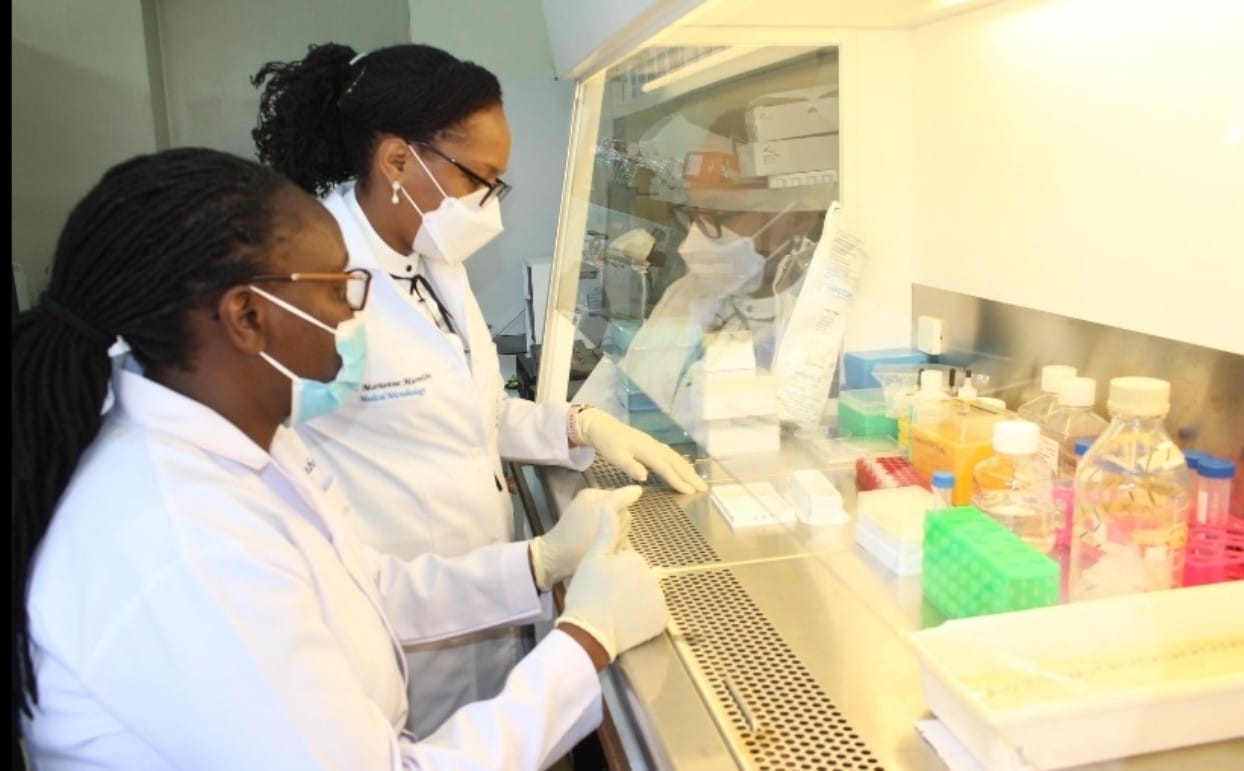
As African countries expand pathogen research and vaccine production capabilities after Covid-19, experts warn that safety regulations and oversight systems must urgently improve to prevent the misuse or accidental release of dangerous biological materials.
Africa has made significant progress in strengthening its laboratory systems since the Covid-19 pandemic, boosting its ability to detect outbreaks, study pathogens and develop vaccines. However, experts are warning that governance and biosecurity measures are not advancing at the same pace as scientific capacity, creating new risks for the continent.
According to the 2026 Africa Health Security Index, biosecurity performance in Africa has improved, increasing from six points out of 100 in 2021 to 14.9 points in 2026. Despite this progress, specialists say the improvements remain insufficient compared with the rapid expansion of biotechnology research across the continent.
Research capacity grows faster than safety measures
Hayley Severance, deputy vice-president for global biological policy and programs at the Nuclear Threat Initiative, said the continent’s growing biotechnology capacity
could increase the risk of pathogens or toxins being accidentally released or deliberately misused.
She noted that African countries are now better equipped to identify disease outbreaks, sequence pathogens and develop vaccines, diagnostics and treatments. These advances have been particularly important in responding to emerging health threats, including Ebola outbreaks.
However, experts stress that scientific development must go hand in hand with strong systems to ensure the safe storage, handling and transportation of biological materials. They also highlight the importance of personnel screening and monitoring research that could potentially be adapted for harmful purposes.
Laboratories expanded, regulations still limited
The Covid-19 pandemic accelerated investments in laboratories and diagnostic infrastructure across Africa. The index shows that 76 per cent of African countries now have national laboratories undergoing external quality-assurance reviews, compared with 58 per cent in 2021.
Progress has also been recorded in specimen transportation systems. Today, 56 per cent of countries have national systems for transporting samples, a major increase from 19 per cent five years ago.
Despite these improvements, regulatory frameworks remain limited. Only 10 countries have adopted national biosafety legislation or regulations, while 14 have established laws or policies specifically addressing biosecurity.
For experts, this gap represents a challenge as more African laboratories begin handling advanced biological research.
Investing in safety alongside innovation
Wilmot James, senior adviser at the Brown University Pandemic Center and former South African parliamentarian, said many laboratories created or expanded during the pandemic now require additional security upgrades.
“During Covid-19, the number of labs that have been built in Africa expanded massively,” he said, adding that many facilities now need to be equipped with stronger biosecurity systems.
He also emphasized the need to train a new generation of scientists and laboratory professionals capable of managing these facilities safely. According to him, building scientific capacity without adequate safety and security measures could become a
weakness rather than an advantage.
The Africa Health Security Index recommends that all future investments in infectious disease research and pandemic preparedness include dedicated funding for biosafety, biosecurity training and assessment of risks linked to dual-use research.
As Africa strengthens its role in global health research, experts insist that innovation must be accompanied by responsibility. Without adequate safeguards, the very systems designed to protect populations could become sources of new threats.