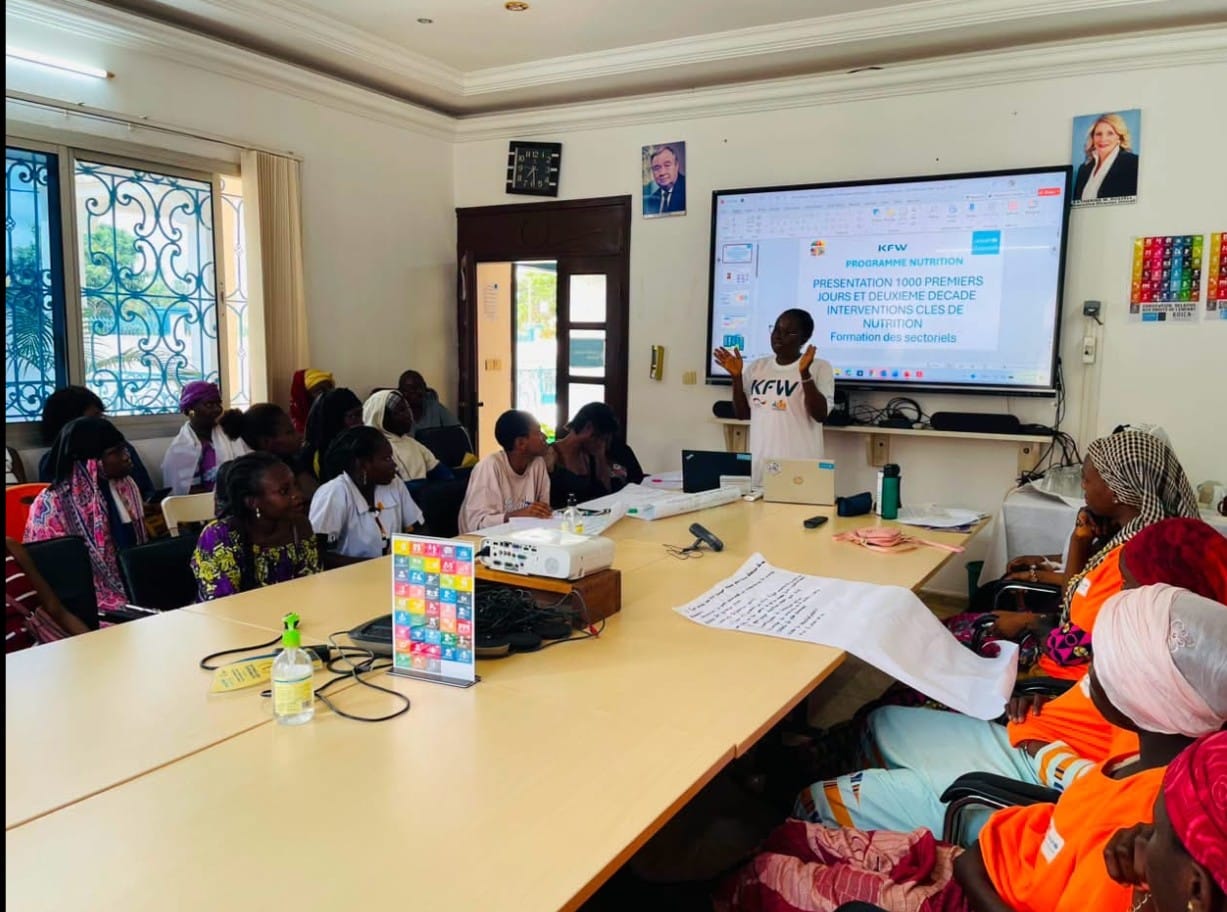
At a participatory workshop held in Bertoua on July 24, 2026, adolescent girls played a central role in designing a Social and Behavior Change (SBC) strategy aimed at improving adolescent nutrition. The initiative reflects a growing shift towards involving young people in the development of health policies that directly affect their lives.
The fight against adolescent malnutrition in eastern Cameroon is increasingly embracing a participatory approach that places young girls at the center of decision-making. During a workshop held in Bertoua after a similar session in Batouri, around 30 adolescent girls joined representatives of civil society organizations and sectoral stakeholders to contribute to the development of a Social and Behavior Change (SBC) strategy focused on adolescent nutrition.
Rather than treating adolescents as passive recipients of health interventions, the initiative sought to recognize them as key partners capable of identifying the challenges they face and proposing solutions grounded in their daily realities.
Speaking during the session, the UNICEF Head of Office in Bertoua stressed that the active participation of adolescent girls is essential for developing programs and policies that genuinely respond to their needs. According to UNICEF, young people should be viewed not merely as beneficiaries but as co-architects of interventions designed to improve their health and well-being.
The discussions allowed participants to redefine what well-being means from their own perspective. Beyond adequate nutrition, the girls highlighted three inseparable pillars they believe are essential to living healthy lives: good physical health, sound mental health and a safe, supportive environment.
Their contributions underscored the complex factors influencing adolescent nutrition. Participants pointed to the importance of addressing social norms, mental well-being and environmental conditions alongside access to nutritious food
if efforts to reduce malnutrition are to be successful.
The participatory exercise also provided an opportunity for the adolescents to propose practical approaches based on their lived experiences. By sharing the barriers they encounter and suggesting locally relevant solutions, they contributed valuable insights that could strengthen future nutrition interventions in the East Region.
Such an approach reflects a broader evolution in public health programming, where communities; particularly young people, are increasingly involved in designing strategies rather than simply implementing externally developed plans. Experts have long argued that policies are more likely to succeed when they incorporate the perspectives of those directly affected.
For adolescent nutrition programs, this means ensuring that interventions respond not only to nutritional deficiencies but also to the social and behavioral factors that influence dietary practices, health-seeking behaviors and overall well-being.
As UNICEF and its partners continue developing the SBC strategy, the voices gathered in Bertoua are expected to inform actions aimed at improving nutrition indicators and reducing adolescent malnutrition across eastern Cameroon. The workshop illustrates how meaningful youth participation can strengthen public health initiatives while promoting the recognition of adolescents as active contributors to sustainable development rather than passive recipients of assistance.