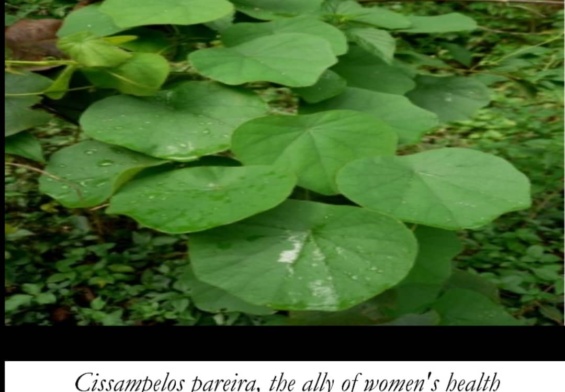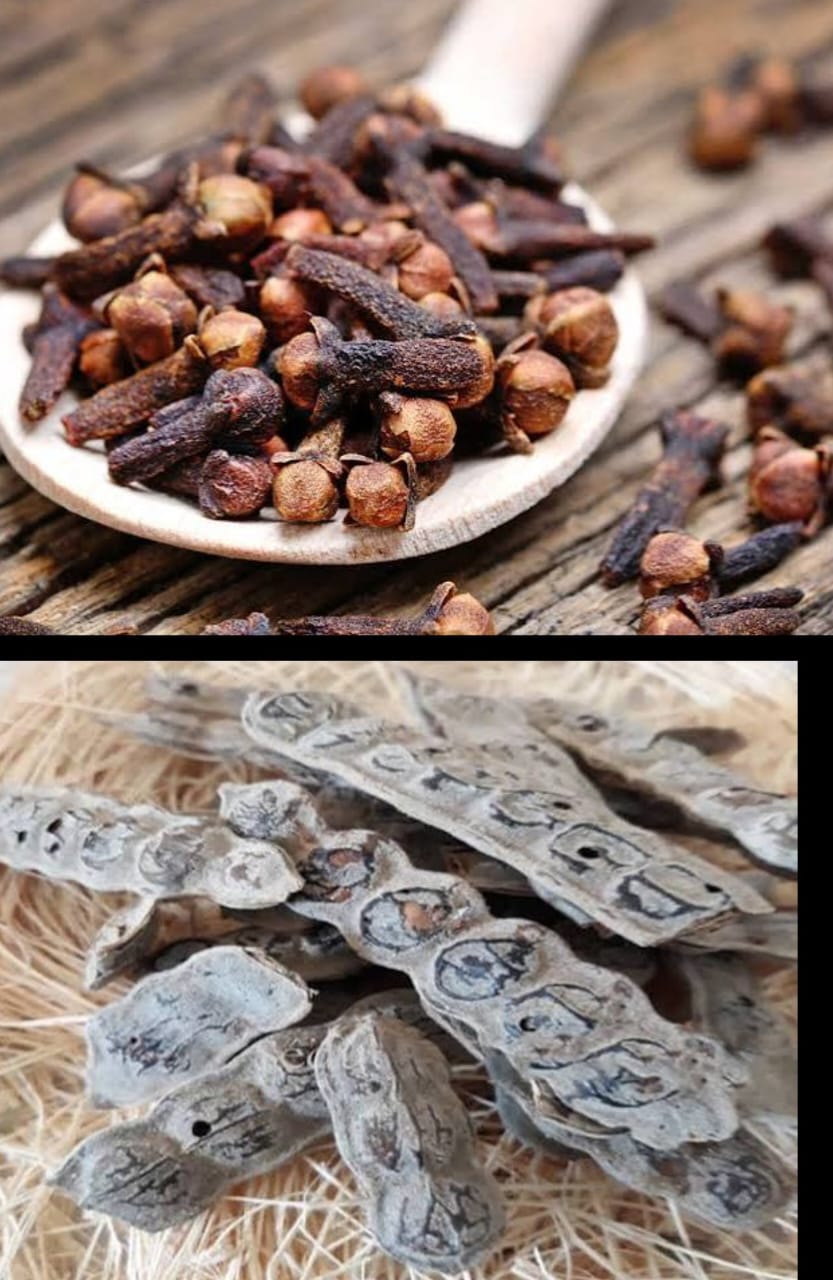
Known for enhancing our dishes, certain traditional spices possess powerful antiseptic and deodorizing properties. From cloves to Nep-nep, and including Guinea pepper, ancestral pharmacopoeia gently cleanses the body.
Body odor is a taboo subject for many people. « It’s hard to hear someone complain about body odor; some are ashamed, and others only talk about it when you’re really intimate, » explains Menga, a user. These unpleasant odors generally occur when perspiration is broken down by bacteria naturally present on the skin’s surface. Several factors can alter the quality of this sweat, including a diet rich in garlic or onions, stress, hormonal fluctuations, and wearing synthetic clothing that traps moisture and promotes microbial growth.
The purifying power of traditional spices
To neutralize this increasingly common phenomenon, traditional medicine relies on a remarkable array of plant-based remedies: Clove, very rich in eugenol, a bioactive compound with powerful antibacterial, antifungal, and antiseptic properties, destroys the microbes responsible for unpleasant odors while leaving a fresh and lasting fragrance. Nep-nep (Acacia nilotica) is a staple in West and Central Africa for intimate hygiene; « it tightens tissues (astringent effect), absorbs excess moisture, cleanses the lower abdomen, and eliminates persistent intimate odors, » explains Nidjani, a naturopath. Long pepper (Selim) is a spice prized for its aromatic and antibacterial properties; it helps purify the body from within.
Precautions for use
Whether used in wash water or as a sitz bath, these spice infusions help cleanse the genital area and prevent discomfort such as dryness or infections. For both men and women, the golden rule remains a gentle wash from front to back, followed by thorough drying by patting with a clean towel to prevent moisture buildup.
However, moderation is key. The intimate area harbors a beneficial bacterial flora essential for the health of the mucous membranes. Too frequent or concentrated use (exceeding a handful of cloves per bottle of water or 6 to 8 cloves for a sitz bath) risks disrupting this delicate microbiota. As a precaution, experts advise against these treatments for pregnant or breastfeeding women, children under 12,
and people with sensitive intimate areas.
In the quest for daily freshness, these treasures of the earth remind us that traditional medicine knows how to combine hygiene and respect for the body. After all, the most beautiful fragrances are not those that mask our odors, but those that teach our skin to breathe in peace.