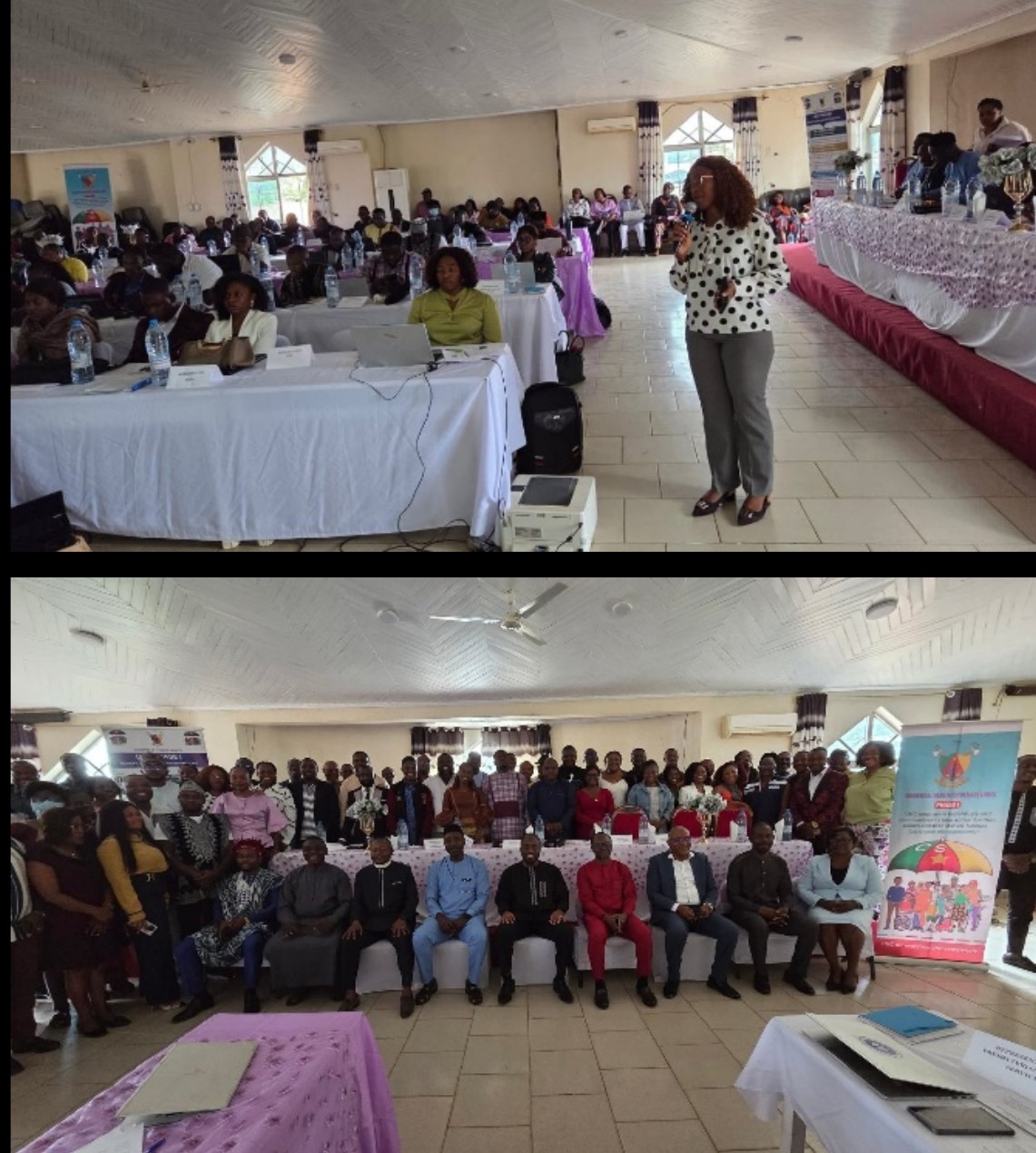
The Northwest Regional Capital hosted the first health sector coordination meeting for the first half of 2026 on August 5, 2026. Structured around a rigorous assessment and strategic planning, this high-level meeting brought together the entire regional health ecosystem to evaluate past actions and set a course for more efficient and accessible healthcare services.
Chaired by Dr. Ambe Lionel, Regional Delegate for Public Health in the Northwest Region, the meeting gathered key stakeholders in the sector: administrative officials from the Delegation, administrators of the Regional Health Promotion Fund (FRPSNO), district medical officers, and directors of public, private, and faith-based hospitals, including the Health Services of the Baptist Convention of Cameroon (CSBC). National and international NGOs also actively participated in the discussions. The central objective of this evaluation session was to measure the level of implementation of the six-month roadmap in key areas such as health promotion, disease prevention, clinical care, governance, and institutional support.
The 5 main resolutions of the coordination meeting
Following constructive discussions and a thorough analysis of the operational challenges on the ground, participants formulated five major resolutions aimed at reforming health action in the region. First, they committed to strengthening governance and financial transparency by optimizing the management of the Regional Health Promotion Fund (FRPSNO) to ensure a continuous supply of essential medicines and secure the supply chain in all districts. Second, stakeholders agreed to intensify vaccination coverage and prevention efforts through the priority deployment of targeted community campaigns against preventable diseases, paying particular attention to hard-to-reach areas and vulnerable populations.
Third, the meeting endorsed the standardization and improvement of healthcare services through the implementation of unified emergency protocols in all public, private, and faith-based hospitals to significantly reduce maternal and infant mortality. Fourth, the institutionalization of the public-private-NGO partnership was decided upon to create a permanent framework for consultation capable of harmonizing the interventions of international partners, avoiding duplication, and maximizing the impact of funding on the ground. Finally, the fifth resolution concerns digitalization and real-time epidemiological monitoring to accelerate the transmission of health data from districts to the Regional Delegation for an immediate response to epidemic risks.
Towards more resilient health services
This consultation platform marks a turning point in the synergy of stakeholders in the Northwest. By translating the lessons learned in the first half of the year into direct action, the Regional Delegation and its partners reaffirm their commitment to guaranteeing every citizen equitable, humane, and high-quality medical care. The resolutions adopted today will serve as a compass for all sector interventions in the coming months.