The IFOPROMA-ISMAM Complex in Maroua organized a training seminar focused on health research methodology, data analysis, and youth entrepreneurship. Over two days, students, professionals, and researchers interacted with experts to enhance their skills and better meet the demands of the academic and professional worlds.
Scientific research demands method, rigor, and a good command of the tools. To enable students, professionals, and researchers to better understand these requirements, the IFOPROMA-ISMAM Complex in Maroua organized a training seminar on health research, data analysis, and entrepreneurship.
For two days, participants were guided by experts in various fields. Discussions focused on the different stages of scientific research, from choosing a research question to writing the final document. Developing a research protocol and the principles of scientific writing were also covered.
Data analysis was another important component of the training. Participants were introduced to the use of software and tools for processing and interpreting data collected during a study. This skill has become essential in many fields, particularly
in healthcare, where decisions increasingly rely on reliable and properly analyzed information.
The training was not limited to scientific aspects. Issues related to youth entrepreneurship were also central to the discussions. Participants were made aware of the opportunities offered by self-employment and the need to leverage their knowledge and skills in developing professional projects.
For the organizers, this approach addresses several challenges faced by young graduates. University education provides an important foundation, but it must be complemented by practical skills and a better understanding of the realities of the job market.
Holding this type of meeting is therefore of particular interest. It offers participants a forum to update their knowledge, ask questions of specialists, and share their experiences. These exchanges also allow for a better understanding of certain concepts that can be difficult to grasp in a primarily theoretical teaching context.
In the field of research, these meetings primarily contribute to improving the quality of scientific work. A better grasp of methodology helps avoid certain errors in study design, data collection, and results interpretation. It can thus contribute to producing more reliable research that is more useful for decision-making.
For young people, these initiatives also provide opportunities for guidance and exploration. They allow them to discover new possibilities, meet professionals, and sometimes forge connections that could lead to collaborations. In a context marked by difficulties in entering the workforce, developing multiple skills represents a significant advantage.
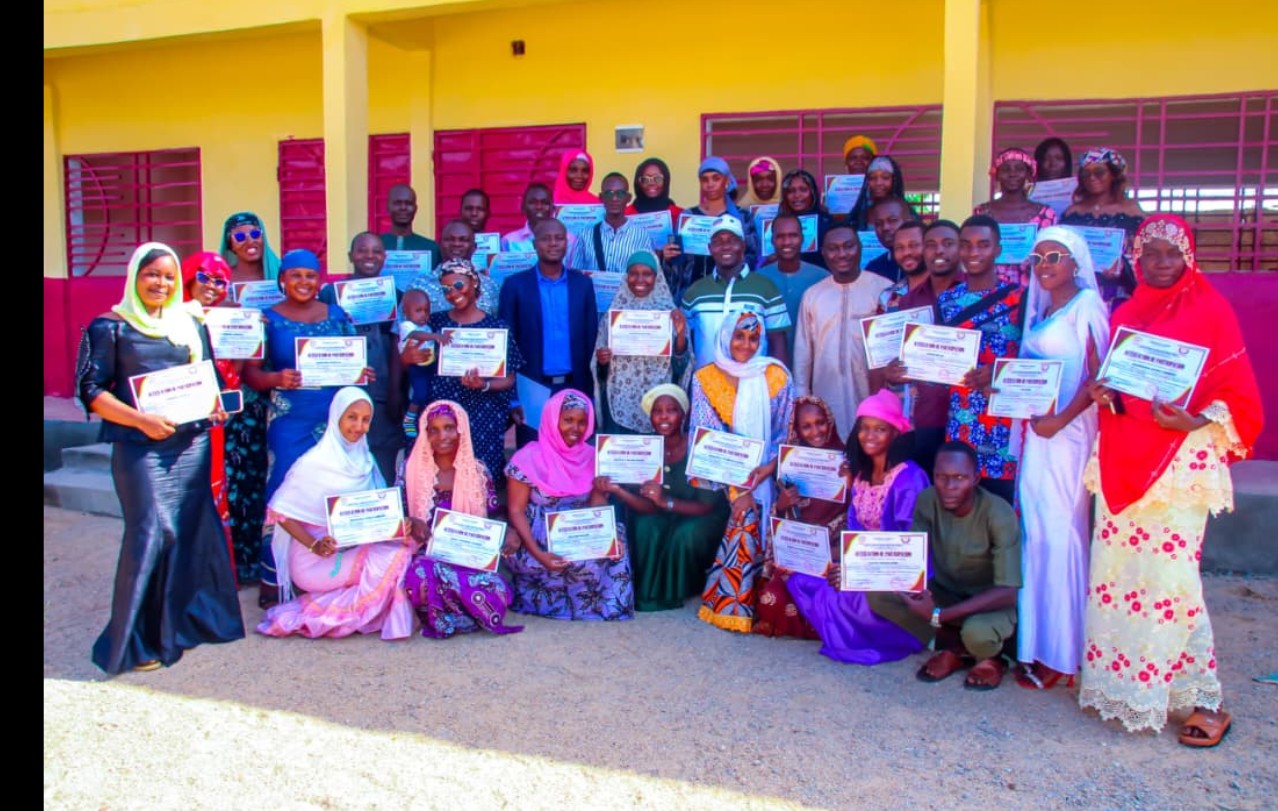
At the end of the workshop, participants received certificates of completion. This ceremony concluded two days of learning and discussion. Many participants left with new knowledge and practical tools they can use in their research or professional activities.
The director of the IFOPROMA-ISMAM Complex, Dr. Mana Nouhou, expressed his satisfaction with the training and the quality of the discussions. He thanked the experts who led the various sessions and the participants for their commitment.
Increasing the number of these meetings therefore appears to be a promising avenue to explore. In an environment where knowledge and tools are rapidly evolving, students and professionals need regular opportunities for professional development. Seminars and workshops bridge the gap between theoretical knowledge and practical application, and foster the sharing of experiences.