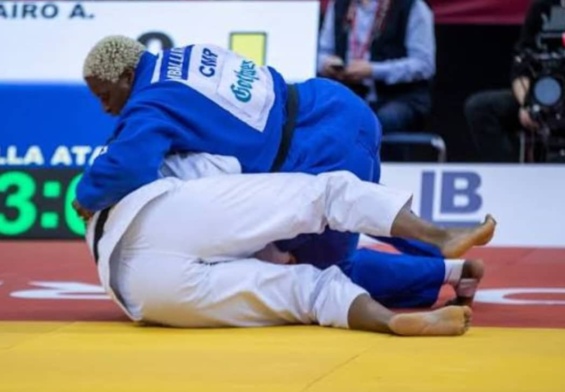
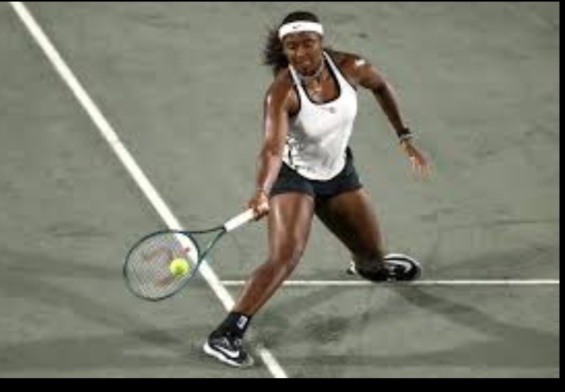
In Cameroon, the quest for Paralympic medals no longer relies solely on willpower and raw talent. Behind the scenes, sports medicine is gradually establishing itself as the strategic pillar of the Cameroonian National Paralympic Committee (CNPC).
Between functional classification, personalized care, and structural challenges, the health of athletes with disabilities is proving to be the primary factor in performance. On the track as well as in the weight room, a para-athlete’s performance is inextricably linked to their health. Under the joint supervision of the Ministry of Sports and Physical Education (MINSEP) and the CNPC, medical support has made significant progress. The medical team, composed of sports physicians, physiotherapists, and nutrition specialists, implements a rigorous protocol during national and international training camps.
Initial assessment and classification: The winning combination
Every training camp begins with a thorough clinical evaluation. Biological tests, cardiological assessments, and musculoskeletal health checks help determine each athlete’s physical fitness. Added to this is a crucial step specific to para-sports: functional classification. Conducted according to the standards of the International Paralympic Committee (IPC), it guarantees fair competition by evaluating the impact of the impairment on athletic performance.
Adapted care and specialized equipment
On the field, preventing muscle injuries and adapting equipment are the daily work of healthcare professionals. Particular attention is paid to the ergonomics of
prostheses and wheelchairs to avoid pressure sores and overuse injuries. Physiotherapy and nutritional monitoring complement this system to optimize physical recovery.
A challenge of continuity
While medical support yields significant results during training camps, the main challenge lies in maintaining this ongoing support on a daily basis. Continued access to high-tech care and the strengthening of rehabilitation equipment remain priority areas to enable Cameroon’s ambassadors to compete sustainably with the world elite. Medical Monitoring of Cameroonian Para-Athletes.
The Shadow cast on performance
In Cameroon, the quest for Paralympic medals no longer relies solely on willpower and raw talent. Behind the scenes, sports medicine is gradually establishing itself as the strategic pillar of the Cameroonian National Paralympic Committee (CNPC).
Between functional classification, personalized care, and structural challenges, the health of athletes with disabilities is proving to be the primary factor in performance. On the track as well as in the weight room, a para-athlete’s performance is inextricably linked to their health. Under the joint supervision of the Ministry of Sports and Physical Education (MINSEP) and the CNPC, medical support has made significant progress. The medical team, composed of sports physicians, physiotherapists, and nutrition specialists, implements a rigorous protocol during national and international training camps.
Initial assessment and classification: The winning combination
Every training camp begins with a thorough clinical evaluation. Biological tests, cardiological assessments, and musculoskeletal health checks help determine each athlete’s physical fitness. Added to this is a crucial step specific to para-sports: functional classification. Conducted according to the standards of the International Paralympic Committee (IPC), it guarantees fair competition by evaluating the impact of the impairment on athletic performance.
Adapted care and specialized equipment
On the field, preventing muscle injuries and adapting equipment are the daily work of healthcare professionals. Particular attention is paid to the ergonomics of prostheses and wheelchairs to avoid pressure sores and overuse injuries. Physiotherapy and nutritional monitoring complement this system to optimize physical recovery.
A challenge of continuity
While medical support yields significant results during training camps, the main challenge lies in maintaining this ongoing support on a daily basis. Continued access to high-tech care and the strengthening of rehabilitation equipment remain priority areas to enable Cameroon’s ambassadors to compete sustainably with the world elite