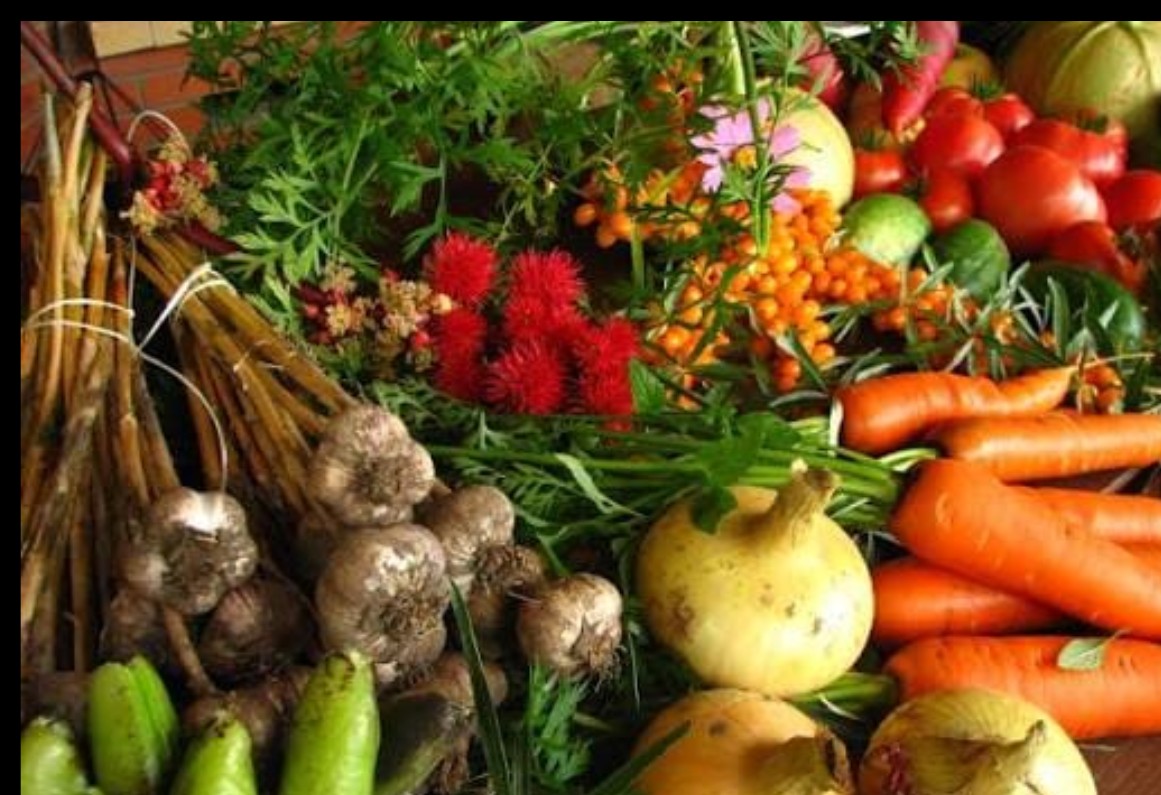
The Adamawa region is known for its large cattle herds. In this part of the country, some farmers use cow dung as a soil fertilizer for vegetable and market garden crops. Health professionals consider this a dangerous practice.
While health professionals recommend consuming five fruits and vegetables a day, the production and consumption techniques for these foods, essential for optimal bodily function, are not without risk. The use of chemical fertilizers or cow dung as fertilizers can lead to long-term health problems. This is the case with toxoplasmosis, a disease caused by protozoa, which is regularly diagnosed during consultations in the Banyo health area and even in surrounding areas. According to Dr. Nelson Fuh Njinyam, physician and director of the Banyo Regional Annex Hospital, numerous cases of this disease were reported at his facility during the first six months of 2026.Toxoplasmosis, which can be transmitted from cats to humans and from beef carcasses to humans, is easily transmitted through vegetables and food, especially if these foods are not well cooked. « And also, the literature says that these are the diseases generally found in immunocompromised individuals, » he points out. According to him, the consequences can be more serious in immunocompromised people.
“In vegetable gardens, the practice of spreading chemical fertilizers or cow manure directly during vegetable growth is not recommended,” explains Cyrille Tapsia, an agronomist specializing in organic farming science and technology (STAB). Unlike long-cycle crops, short-cycle vegetables quickly deplete the soil of nutrients and are harvested shortly after the leaves have formed. This rapid harvest exposes consumers to an increased risk of contamination if nutrients are applied during the growing season.
Prepare the soil before sowing
Experts recommend enriching the substrate (soil) before sowing, ideally with mature compost. Well-made compost offers two major advantages: it provides the nutrients necessary for growth and, due to fermentation and the temperatures reached during the process, it is largely sanitized and less likely to transmit pathogens to plants. This, in turn, limits the transmission of diseases to humans.
According to experts, chemical fertilizers applied during plant growth can leave residues in the leaves and other edible parts of vegetables. These residues are difficult to remove completely by simple washing. As for cow manure, its use presents varying risks. If the manure is properly composted and treated before being incorporated into the soil, it becomes safer. However, direct spreading, especially if the livestock is not managed according to strict sanitary standards, can introduce microorganisms and parasites.
Practical measures to mitigate risks
To limit the risk of contamination, medical personnel and agronomists recommend
using mature compost to enrich the soil before sowing. Spreading chemical fertilizers and fresh manure during the growth phase of short-cycle vegetables is also discouraged to avoid health impacts. Cyrille Tapsia particularly emphasizes the importance of properly composting manure before incorporating it into the soil. In households, vegetables should be washed thoroughly before consumption to reduce the parasite and microbial load. « Washing doesn’t always eliminate all chemical residues, but it significantly reduces the risk of infection, » explains the agronomist. However, this recommendation is difficult to implement due to ingrained habits. Furthermore, in a context focused on profit, many producers disregard this advice, which, if rigorously applied, can contribute to reducing the incidence of toxoplasmosis.
For vegetable gardens where short-cycle vegetables are grown, prevention begins before sowing, as well-prepared soil with compost reduces health risks and improves harvest quality. Avoiding the application of fertilizers and pesticides during cultivation and implementing organic production methods help protect consumers and the environment. This is the rationale behind the establishment of a department dedicated to the science and technology of organic agriculture (STAB) at the Faculty of Sciences of the University of Ngaoundéré. This program offers training aimed at preparing students to mentor producers in a context where sustainable development is central to production techniques.