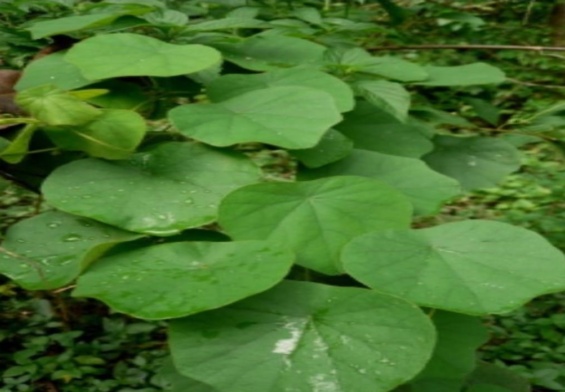
Kinkeliba leaves and roots, ndolè leaves, and ginseng roots are plants that naturally support people suffering from diabetes.
Faced with diabetes, a condition commonly referred to as « high blood sugar, » many patients still suffer from a lack of clear information about their health. For Frédéric Ngalieu, a traditional healer and expert in traditional medicine, the real problem often lies in the lack of education during treatment: « To this day, what kills many people with diabetes is not the disease itself. Many doctors or caregivers don’t take the time to explain to patients, in simple French, what type of diabetes they have and what the origin of the disease is, » he firmly laments.
From a medical standpoint, the disease is characterized by fluctuations in blood and urine sugar levels, linked to the insulin secretion coefficient. In conventional medicine, the condition stems from a deficiency or excess of insulin. However, the traditional healer’s observation shows that these imbalances manifest as very specific digestive and physical symptoms.
The expert distinguishes two symptom profiles based on hormone dynamics: “When insulin is low, the patient may go several days without a bowel movement, leading to weight gain, loss of appetite, and constipation. Conversely, when insulin is high, the patient may have several bowel movements throughout the day, resulting in loss of appetite, weight loss, and other disorders.” According to Frédéric Ngalieu, the origins of these problems are multiple: they stem from dietary and digestive issues, but sometimes also from spiritual factors, such as the “nighttime meals” experienced during sleep. In this quest for balance, natural remedies offer valuable resources.
A natural, holistic approach
In traditional medicine, kinkeliba leaves and roots are particularly valued for gently stabilizing diabetes to lower blood sugar levels, without causing major side effects. Ndolè (or dollet) leaves and ginseng roots complement this range with their regulatory and fortifying properties.
Furthermore, tamarind also holds a prominent place: its leaves and fruit help regulate blood sugar, but their use requires particular caution. Consumed in excessive quantities, tamarind can reverse its effects, raising blood sugar levels or causing blood pressure to drop.
A customized treatment
For traditional healers, administering a remedy should never be done haphazardly. A methodical approach is essential before any prescription: « To treat a patient suffering from blood sugar problems, we must first determine whether it is high or low. We also need to know if they have an insulin or digestive issue. Before taking a product or medicinal plant, we should try to determine whether it is intended to lower, raise, or regulate the condition, » the expert maintains.
Available as decoctions or dietary supplements, these plants offer remarkable natural support. Used judiciously under the guidance of an expert, they remind us that traditional medicine provides concrete and appropriate solutions for rebalancing the body and restoring hope to those who are ill.