

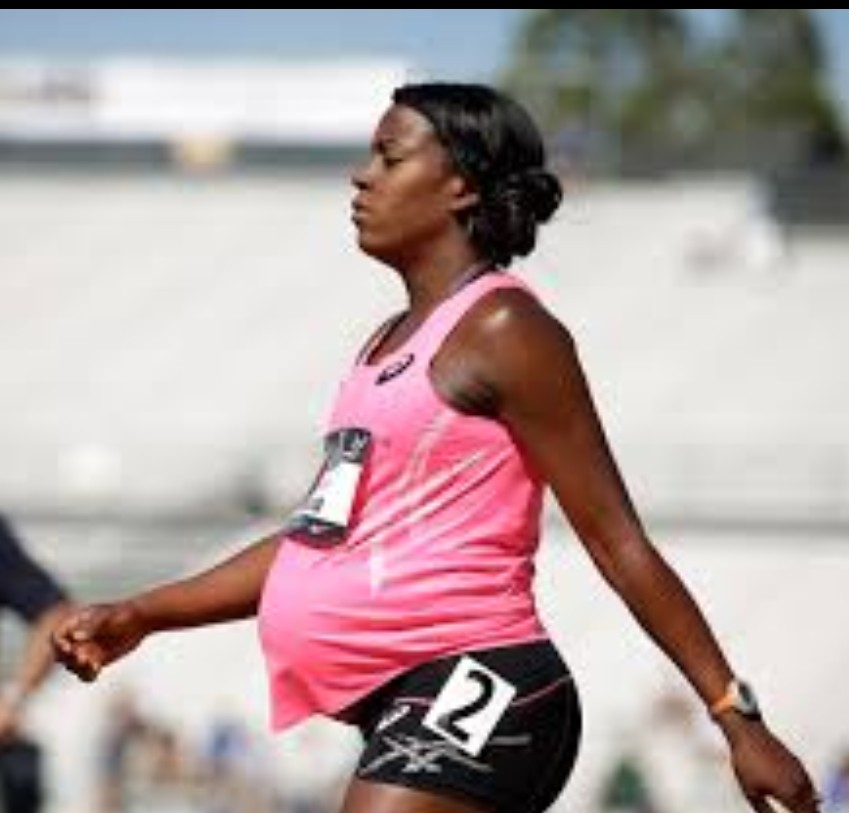
A study published in the Journal of the American Medical Association revealed that women who exercise during their pregnancy have a 40% lower risk of developing gestational diabetes.
“I’ve always been athletic. I was afraid my changing body would become distorted during pregnancy, but swimming was a revelation. The water gave me a feeling of weightlessness and allowed me to keep moving without pain. I feel much fitter, and my midwife tells me it has a very positive effect on preparing for childbirth.” This is the testimony of Céline Akoa, a 27-year-old beautician and swimming enthusiast. Like her, many women around the world are looking for strategies to stay in shape during pregnancy.
Indeed, pregnancy is a time of profound changes for a woman’s body. While the idea of gaining weight can sometimes be a source of concern, it’s important to remember that the body needs to transform to welcome and nourish a new life. However, excessive weight gain is not inevitable. In fact, engaging in appropriate and regular physical activity can help an expectant mother feel good in her body, limit weight gain, and prepare her body for childbirth. « I wasn’t very athletic before my pregnancy, but my doctor advised me to walk to limit my weight gain. I started with 20-minute walks, then gradually increased the duration. Not only did it help me feel better about myself, but it also allowed me to get some fresh air and relax. I’m sure it played a role in my delivery, which was quite quick, » explains Rose Beleng, a Cameroonian international volleyball player.
Physical exercise during pregnancy offers numerous benefits, far beyond simply managing weight. Exercise also helps alleviate common ailments such as back pain and fatigue. It can also reduce the risk of a cesarean section by 20%. Exercise improves blood circulation, which can help prevent swelling and varicose veins. In addition, active women tend to sleep better, have higher energy levels, and a more stable mood.
The key is to listen to your body. It is essential to consult a doctor or healthcare professional before starting or continuing any physical activity during pregnancy. Once you get the go-ahead, it’s advisable to choose gentle activities that don’t
present a risk of falls or impacts. Walking is the simplest and most accessible exercise. Regular, brisk walking helps maintain cardiovascular fitness without stressing the joints. Swimming and water aerobics are excellent options: the water provides a feeling of weightlessness and support, which is especially pleasant as your belly grows.
These sports are perfect for working all the muscles in your body without impact. Prenatal yoga is ideal for connecting with your body and your baby. It helps improve flexibility, strengthen the pelvic floor, and teach breathing techniques that will be invaluable on the day of delivery. Stationary cycling provides a good cardiovascular workout without the risk of falling. Finally, gentle dancing is not only fun, but it also helps improve coordination and release tension.
In conclusion, pregnancy is not a reason to stop moving. On the contrary, exercise, when practiced carefully, is a true ally for the physical and mental health of the expectant mother. It’s about finding the right balance, enjoying yourself, and celebrating this unique period of life by taking care of yourself.
Reaction : « Adapt the exercises according to the stages of pregnancy »

Léon Doba, Physiotherapist
« At the beginning of pregnancy, the pelvic floor is most often worked with Kegel exercises. Hypopressive core exercises, squats, and gentle lunges are practiced. Brisk walking, swimming, or gentle cycling are also recommended to prepare the body for pregnancy. During pregnancy, which is a delicate period, exercises must be adapted
to each stage. The following exercises are highly recommended: walking, swimming, prenatal yoga, or gentle Pilates, which improve breathing and posture. Exercises on a gym ball, such as pelvic mobility exercises, rocking, rotations, and flexibility breathing exercises, are also recommended. High-impact sports or those with a risk of falling should be avoided. The goal is to maintain good mobility, relieve back pain, and prepare for childbirth. After delivery, physical activity is resumed very slowly. During the first six weeks, breathing exercises, walking, and gentle perineal contractions are recommended. » Next, after perineal rehabilitation, hypopressive exercises and progressive strengthening are introduced. Around 3 to 6 months, a more complete sport can be resumed, if all goes well. I should point out that several factors can cause weight gain in pregnant women, such as the baby, the placenta, the amniotic fluid, but also fat reserves related to hormones. Diet and decreased activity also play a role. A weight gain of 10 to 15 kg is normal. A balanced diet (lean proteins, fiber, fruits, vegetables) while limiting refined sugars and processed foods, sufficient hydration (at least 2 liters per day), and progressive physical activity—brisk walking, muscle strengthening, light cardio, then a gradual return to usual sports—are important for a pregnant woman.


