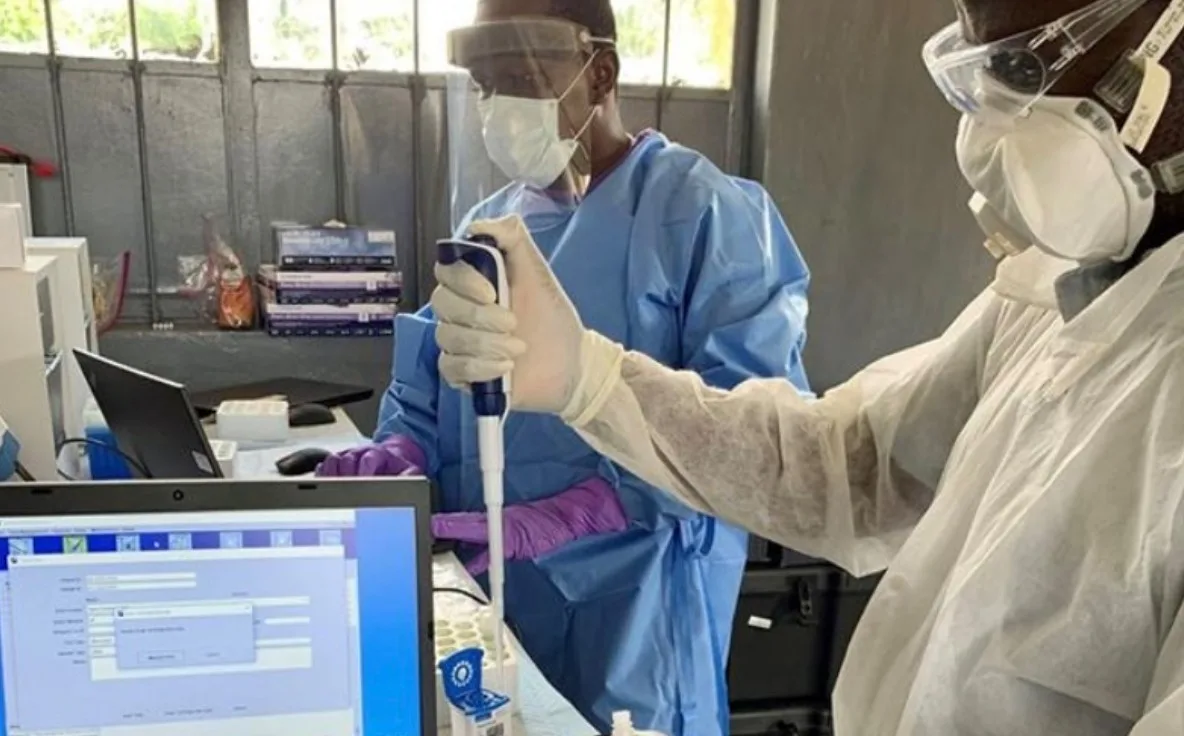

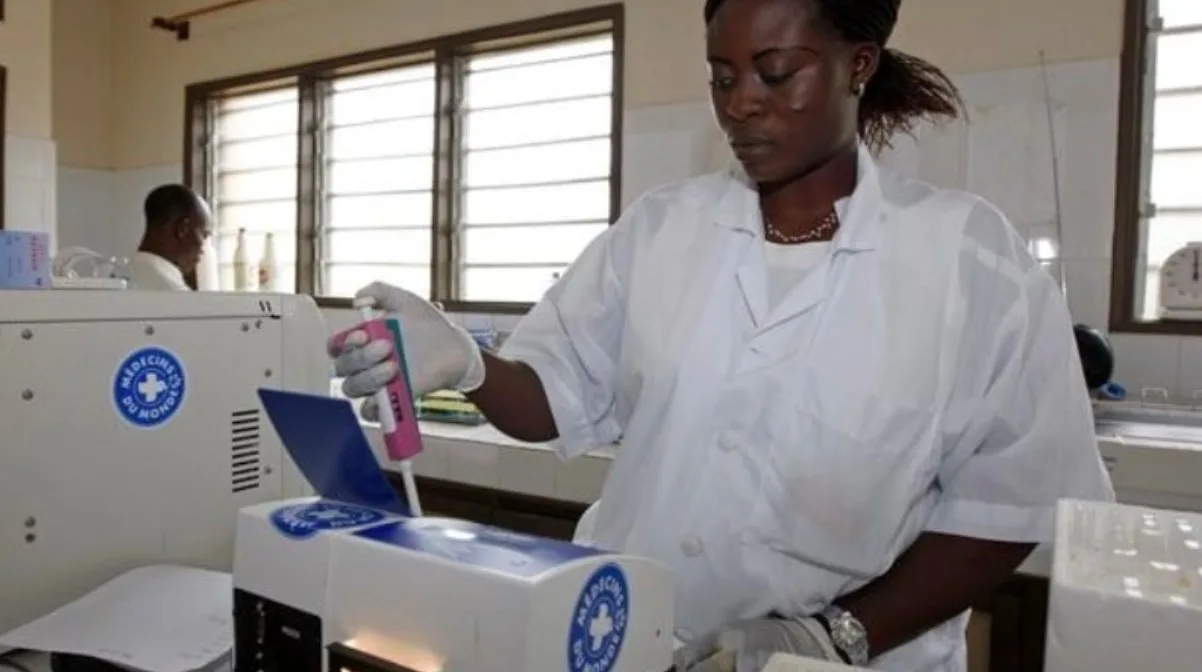
From malaria and HIV testing to outbreak surveillance, laboratories across Africa rely on reagents to detect disease. But when these essential supplies come from abroad, a disruption of kilometers away can quickly become a problem at home. African countries are now looking to change that equation by strengthening local production.
A laboratory may have modern analyzers, trained technicians and patients waiting for results. But without the right reagents, testing can stop. These substances are essential for identifying pathogens, measuring biological markers and confirming a wide range of diseases.
For many African health systems, however, they remain part of an international supply chain. Imported reagents can be expensive, take time to arrive and become difficult to obtain when global demand rises or transport is disrupted. During a health emergency, such dependence can become even more critical.
A weakness exposed by health emergencies
The COVID-19 pandemic highlighted the vulnerability of countries that depend heavily on foreign suppliers for diagnostic products. As demand for testing spread around the world, countries competed for limited supplies, while disruptions to transport and manufacturing created additional pressure.
The lesson has remained relevant as African countries strengthen their preparedness for infectious disease outbreaks. Rapid access to reliable diagnostic products is essential for identifying cases, tracing transmission and launching an appropriate response.
The World Health Organization has therefore placed local manufacturing among the priorities for a more resilient African health sector. Its regional framework covers not only medicines and vaccines, but also diagnostics and other health technologies. The goal is to build production capacity while strengthening research, skills, technology transfer and quality-control systems.
Local production is taking shape
The shift is already visible in several parts of the continent. Initiatives such as EXPANDIA are working on ways to manufacture diagnostic reagents locally in sub-Saharan Africa. The approach seeks to reduce dependence on imported supplies while developing production methods that are better adapted to local laboratory conditions.
In Uganda, local manufacturing has also expanded to diagnostic kits used for diseases such as malaria and HIV. Such projects demonstrate that African countries can move beyond importing finished products and develop their own manufacturing capabilities.
Research is following the same direction. Scientists are exploring technologies that could make the production of molecular diagnostic reagents cheaper and easier to
adapt to African settings. The aim is not simply to reproduce imported products, but to develop solutions that respond to the continent’s specific needs.
The challenge of scaling up
Turning these initiatives into a strong African diagnostic industry will not be easy. Manufacturing reagents requires specialized expertise, reliable raw materials, quality assurance and regulatory systems capable of guaranteeing that locally produced tests are safe and effective.
Financing is another major obstacle. Manufacturers need sufficient and predictable demand to justify investment in production facilities. If health systems continue to rely mainly on imported products, local companies may struggle to reach the scale needed to compete.
A recent assessment of Africa’s diagnostic manufacturing landscape points to significant existing capacity, but also highlights financing difficulties, fragmented regulation and weak market incentives as barriers to expansion.
Regional cooperation could help. Harmonizing regulatory requirements and creating larger African markets would allow manufacturers to serve several countries instead of operating within a single national market.
The stakes go beyond industry. Greater local production could mean more secure laboratory supplies, faster access to testing and stronger preparedness when outbreaks occur.
For Africa, producing diagnostic reagents locally is therefore becoming more than an industrial ambition. It is increasingly seen as a key part of building health systems that can diagnose, monitor and respond to disease without relying entirely on supplies from outside the continent.