As Africa marked African Traditional Medicine Day on August 31, the World Health Organization is calling for greater investment in research, regulation and collaboration to turn traditional health knowledge into safer, evidence-based care.
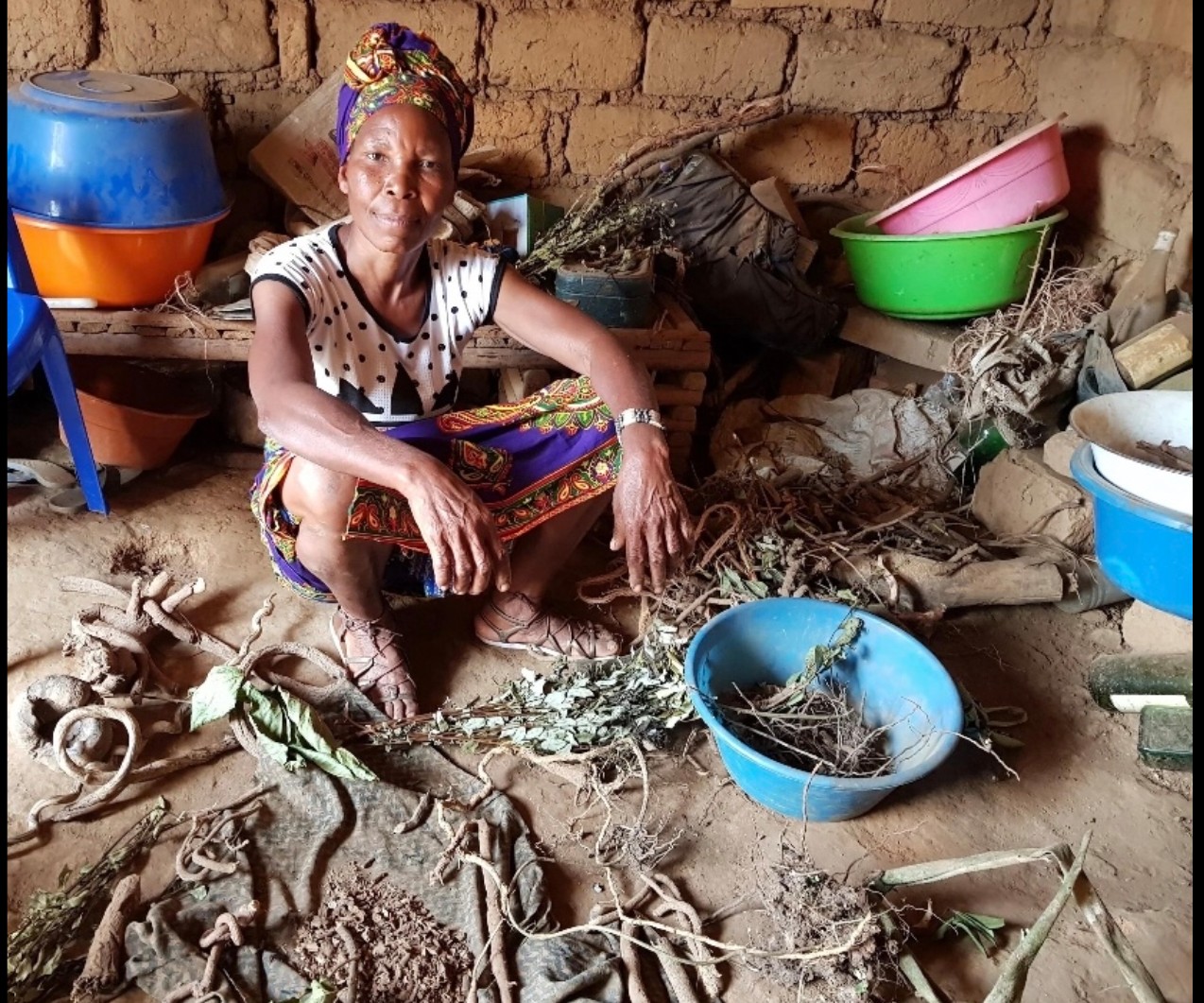
For generations, traditional medicine has been part of everyday healthcare across Africa. In many communities, traditional health practitioners remain among the first people consulted when illness strikes, particularly where access to conventional health facilities is limited. But the World Health Organization (WHO) now wants to see this long-standing knowledge move beyond oral transmission and empirical use towards stronger scientific documentation, quality standards and regulation.
The call comes as Africa marked the 24th African Traditional Medicine Day on 31 August 2026. This year’s theme focused on research and development efforts in traditional medicine and their contribution to achieving universal health coverage in the WHO African Region. The WHO Global Traditional Medicine Center and the WHO Regional Office for Africa used the opportunity to highlight the need to move traditional medicine “from research to reach”.
From ancestral knowledge to scientific evidence
The WHO does not view traditional medicine simply as a practice belonging to the past. Instead, it sees it as a living body of knowledge that could contribute to healthcare if its benefits, limitations and risks are properly established.
This means documenting traditional remedies, studying their active ingredients, assessing their safety and effectiveness, and generating reliable evidence that can guide their use. Such work is particularly important for herbal medicines, whose preparation, dosage and quality can vary considerably.
The WHO’s Global Traditional Medicine Strategy 2025–2034 places research and evidence at the heart of its approach. The strategy identifies four major objectives: strengthening the evidence base, ensuring safety and regulation, integrating traditional medicine into health systems, and maximizing its contribution across sectors.
The objective is therefore not to oppose traditional medicine to modern medicine. Rather, the WHO wants the two approaches to coexist where appropriate, with traditional practices supported by evidence and used in ways that protect patients.
Regulation becomes a key issue
The WHO has already developed guidance for countries in the African Region on the registration of traditional medicines. The approach includes assessing raw materials, finished products and their quality, safety and efficacy before they are authorized for use.
Regulation also concerns the practitioners themselves. Traditional health practitioners often possess knowledge passed down through generations, but formal recognition, training and appropriate oversight can help establish clearer standards of practice while preserving valuable cultural knowledge.
A place in tomorrow’s health systems?
For the WHO, the future of traditional medicine will depend largely on the ability of African countries to invest in research and create stronger links between traditional practitioners, scientists, health authorities and communities.
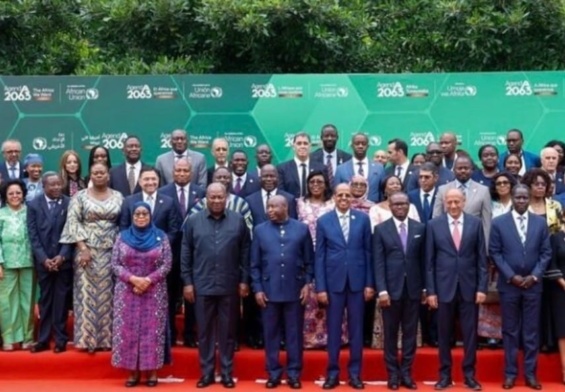
During the 2026 African Traditional Medicine Day discussions, participants stressed that Africa’s rich biodiversity and health traditions represent an important resource. But unlocking that potential will require research, innovation, investment and cooperation rather than relying solely on inherited knowledge.
The WHO’s strategy also recognizes the importance of cultural respect and local heritage. Its approach is therefore not simply to replace traditional practices with scientific models, but to create a bridge between traditional knowledge and modern science.
The challenge now is to ensure that scientific validation does not erase the cultural knowledge behind these practices, while cultural acceptance does not become a substitute for evidence. For the WHO, the future lies somewhere between the two: preserving traditional knowledge while subjecting its health claims and products to the standards needed to protect patients and strengthen healthcare systems.