Days after World Suicide Prevention Day was marked on September 10, the CNJC is extending its mobilization through a national caravan running until September 21. The initiative brings together youth leaders and peer educators to raise awareness about suicide, violence, femicide and psychological distress, while promoting support and the protection of vulnerable people.
The commemoration of World Suicide Prevention Day may have ended on September 10, but the call for greater attention to psychological distress and violence continues in Cameroon. The National Youth Council of Cameroon
(CNJC) has joined efforts aimed at addressing these challenges, particularly among young people and vulnerable communities.
As part of activities surrounding the international observance, the National President of the CNJC, Fadimatou Iyawa Ousmanou, joined the Cameroonian Association for the Prevention and Fight against Suicide. The mobilization reflects the youth body’s intention to contribute to awareness raising, support and the protection of people facing violence or psychological distress, alongside public authorities and other stakeholders.
Beyond a one-day commemoration
For the CNJC, September 10 is not intended to remain a one-day event. The Council has announced a National Caravan for Peace and the Prevention of Violence and Psychological Distress, scheduled to run from September 10 to 21.
Through this initiative, CNJC teams are expected to take awareness messages closer to communities. The caravan focuses on suicide, different forms of violence and the psychological disorders that can affect individuals, particularly young people.
The approach comes at a time when conversations around mental health, violence and the protection of vulnerable people are gaining increasing attention. Addressing suicide requires more than reacting to tragedy. It also involves encouraging people in distress to seek help and strengthening communities’ ability to recognize warning signs.
Peer educators as community relays
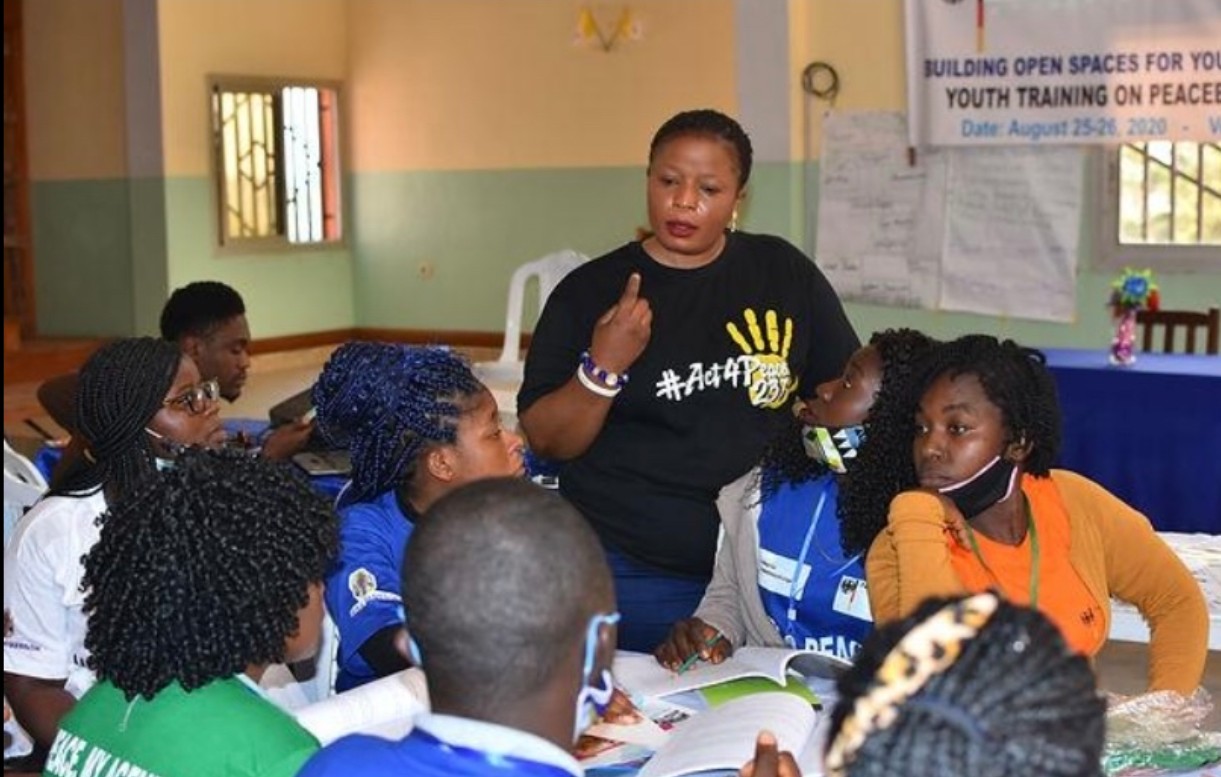
One of the key components of the CNJC’s approach is the involvement of educator peers. Young people have been trained to serve as relays for awareness and support within their communities.
The strategy is based on the idea that key messages can be more accessible when they are carried by people who understand the realities and concerns of their peers. Peer educators can help create spaces for discussion, disseminate information and encourage individuals facing difficult situations to seek appropriate support.
However, these young relays are not substitutes for mental health professionals or specialized services. Their role is to contribute to awareness and, where necessary, encourage people in distress or victims of violence to seek appropriate assistance.
Addressing violence and protecting vulnerable people
The national caravan also places violence among its priorities. The initiative includes
concerns surrounding violence against women and girls, including femicide, while promoting peace and the protection of victims.
Although suicide, psychological distress and gender-based violence are distinct issues, they all require stronger responses and greater attention to people living in vulnerable situations. Awareness, early intervention, listening and referral can play an important role in preventing situations from escalating.
By bringing these concerns into the same mobilization framework, the CNJC seeks to encourage young people and communities to become more actively involved.
Keeping the conversation alive
As the national caravan continues until September 21, the CNJC’s initiative extends the momentum generated by World Suicide Prevention Day. The challenge will be to ensure that the messages delivered during the campaign translate into sustained action within communities.
For the youth organization, the commitment must continue beyond commemorative dates. By relying on awareness activities, peer educators and community mobilization, the CNJC is seeking to make young people part of the response to suicide, violence and psychological distress.
The September mobilization is therefore intended not simply as a commemoration, but as a reminder that preventing tragedy begins with listening, awareness and timely support.