With an estimated 1.9 million people living with dementia in the WHO African Region, the World Health Organization is calling for stronger systems to diagnose, treat and support people affected by the condition and the families caring for them. The call followed a regional workshop held in Nairobi from September 14 to 16, bringing together representatives from 10 African countries.
A growing health challenge
Dementia is increasingly becoming a public health concern in Africa, yet the response remains limited. According to WHO, none of the 47 countries in the African Region had a national dementia plan, either dedicated or integrated into a broader health strategy, in 2024.
The gap also affects awareness and prevention. Only five countries had conducted dementia awareness campaigns, while seven were implementing activities aimed at reducing dementia-related risks. For WHO, strengthening national responses requires dementia to be considered within broader health and aging policies rather than treated as an isolated condition.
The economic impact is also significant. Dementia is estimated to cost the African Region around US$15.6 billion each year, adding pressure to already stretched health systems and households.
Families carry much of the burden
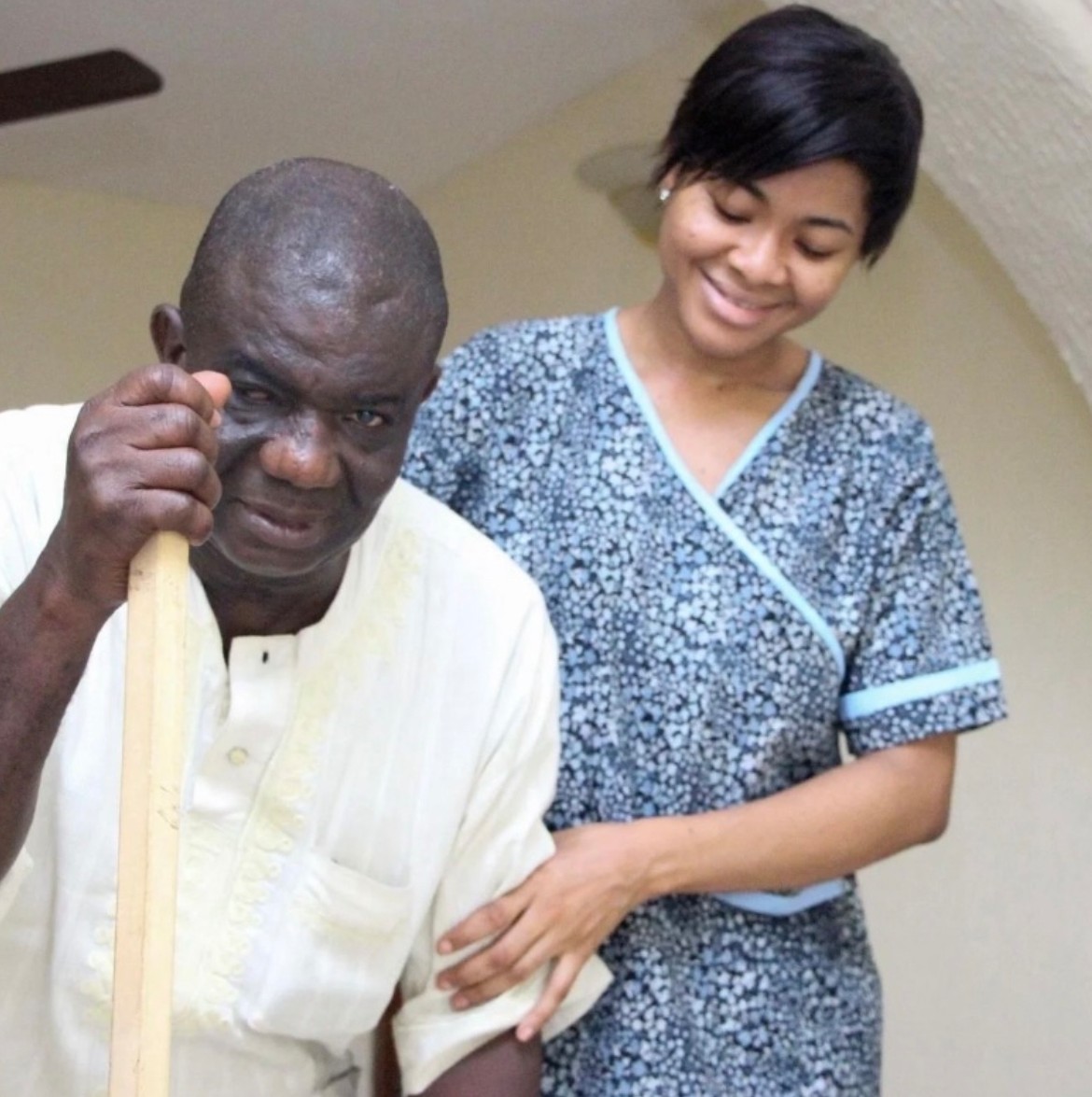
Behind the figures are millions of families providing daily care to relatives affected by dementia. WHO estimates that unpaid caregivers in the African Region spend an average of 12.9 hours a day providing care, compared with 7.8 hours globally.
This burden highlights the need to extend support beyond the patient. Families and other caregivers need information, guidance and access to health and social services to help them manage the long-term demands associated with dementia.
The WHO also stresses the importance of addressing stigma and discrimination, which can discourage people and their relatives from seeking help or obtaining a timely diagnosis.
Bringing care closer to communities
At the Nairobi meeting, participating countries identified several priorities, including early detection, diagnosis, health-worker training and the integration of dementia services into primary healthcare.
For WHO, strengthening community-level services could help people access care earlier and reduce the pressure placed on specialist facilities and families. Better coordination between health services and continued follow-up are also needed as dementia progresses.
The meeting brought together representatives from Cabo Verde, Comoros,
Gabon, The Gambia, Ghana, Kenya, Malawi, Tanzania, Zambia and Zimbabwe. Their discussions focused on sharing national experiences and identifying practical approaches that can be adapted to different health systems.
Better data to guide the response
Another major challenge is the lack of reliable information. In 2024, only 10 countries in the African Region were reporting dementia data to WHO.
The organization is therefore calling for stronger surveillance, research and data collection to better understand the scale and characteristics of dementia across the continent. Such information can help governments identify gaps in services and develop policies based on local needs.
The Nairobi workshop also supported the creation of a regional community of practice on dementia, aimed at facilitating collaboration and the exchange of experience between countries.
For WHO, strengthening dementia care ultimately means moving from limited awareness and fragmented support towards health systems capable of detecting the condition earlier, providing appropriate care and supporting the people who care for those affected.