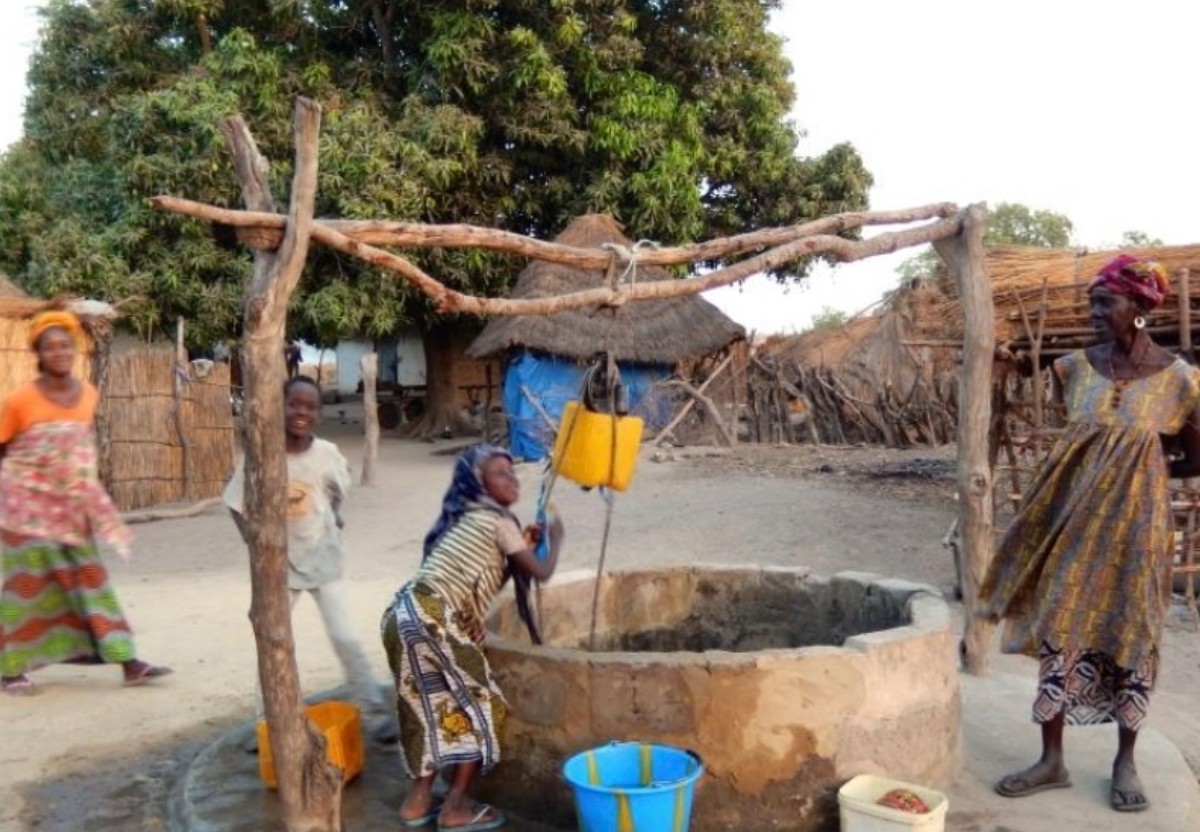
After a night of heavy rain, a household may return to its usual routine and continue drawing water from the well as if nothing has changed. Yet, beneath its clear appearance, the water may carry microorganisms or other contaminants washed into the ground. Heavy rainfall can increase the risk of well contamination, particularly when wells are shallow, poorly protected or exposed to flooding.
When rainwater reaches the well
Rain does not simply disappear into the ground. As it flows across streets, yards, farms and other surfaces, it can pick up animal waste, human faecal matter, household waste, pesticides and other contaminants. During heavy rainfall or flooding, this contaminated runoff can reach groundwater and enter wells.
The World Health Organization warns that floods can contaminate wells, boreholes and other water sources with faecal matter washed from the ground or released by overflowing latrines and sewage systems.
The risk is particularly important for shallow or hand-dug wells because they are more exposed to contamination from the surface. A damaged cover, cracks around the well or floodwater reaching the wellhead can make it easier for contaminants to enter.
Clear water is not necessarily safe water
One of the most misleading signs is appearance. Water may remain clear and
have no unusual smell or taste while containing disease-causing microorganisms.
Contaminated water can expose households to infections responsible for diarrheal illness and other waterborne diseases. WHO identifies contamination of drinking-water facilities as one of the major health risks associated with floods.
This is why simply looking at the water after heavy rain is not enough to determine whether it is safe to drink.
What should households do?
If a well has been flooded or there is reason to suspect contamination, the safest option is to temporarily use bottled water or another verified safe source for drinking and food preparation until the water has been assessed. The CDC also recommends testing well water after flooding or whenever its color, taste or smell changes.
Where another safe source is unavailable, water intended for drinking should be treated according to local public-health guidance. Boiling can kill many disease-causing germs, but it does not remove chemical contamination. If water smells of fuel or chemicals, it should not be consumed simply because it has been boiled.
Households should also avoid using suspected contaminated water to prepare food, brush their teeth or make ice.
Prevention starts before the rainy season
A well is safer when its surroundings are kept clean and potential contamination sources are kept away. The wellhead should be properly protected, and the structure should be checked regularly for damage.
Regular water testing is also important, particularly for households that depend on private wells. Testing can detect contamination that cannot be identified by sight, smell or taste.
Heavy rain does not automatically mean that every well has become unsafe. However, when water has been exposed to flooding or runoff, caution is preferable to assuming that it remains safe. A few preventive measures can help households avoid turning contaminated water into a health problem.