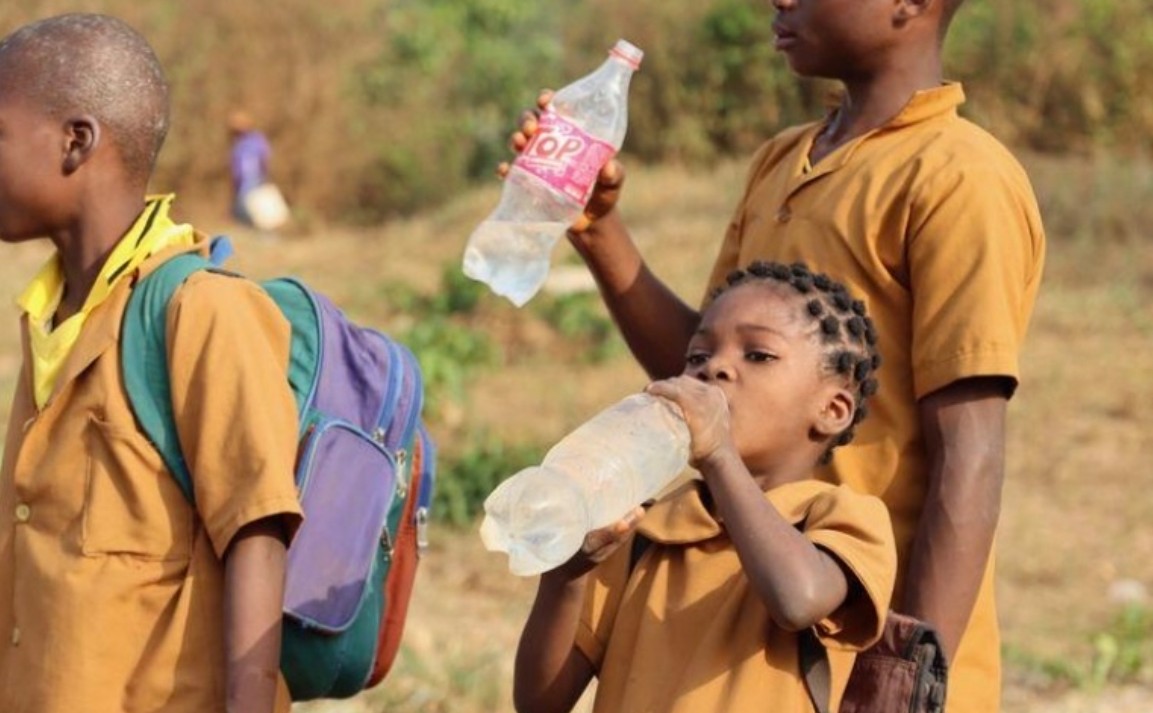
A water bottle packed into a schoolbag every morning may look harmless, especially when it is filled with fresh drinking water. But after a day of drinking, handling and being carried around, the bottle can become a place where microorganisms accumulate if it is not cleaned properly. How often should parents and pupils wash it?
A bottle used every day should be cleaned every day
A reusable water bottle should ideally be washed after every day of use. Simply emptying it and refilling it the next morning is not enough. Saliva, traces of food, dust and moisture can remain inside the bottle, particularly around the mouthpiece, cap and sealing areas.
This is especially important for schoolchildren, who may drink directly from the bottle several times during the day and handle the cap with their hands.
After school, the bottle should be emptied and washed with warm water and dishwashing liquid. All parts should be cleaned, including the cap, mouthpiece, straw and silicone seals when they can be removed.
The mouthpiece deserves special attention
The part that comes into direct contact with the child’s mouth is one of the areas most likely to accumulate residue. If the bottle has a straw or a narrow drinking opening, it can be difficult to clean thoroughly.
A bottle brush or a small brush can help reach areas that a sponge cannot. Removable parts should be separated before washing. After cleaning, the bottle should be rinsed thoroughly.
Drying is just as important as washing
A clean bottle that remains closed while still wet can develop an unpleasant smell and provide favorable conditions for microbial growth.
After washing, the bottle should therefore be left open to dry completely. The cap should also be dried separately rather than being placed back immediately.
If possible, the bottle should be stored open when it is not being used.
What about bottles that smell bad?
A persistent smell, visible residue or a slimy layer is a sign that ordinary rinsing has not been enough. The bottle should be thoroughly washed, including all removable components.
If the material is damaged, scratched, cracked or difficult to clean properly, replacing the bottle may be more practical. Damaged surfaces can make thorough cleaning more difficult.
Do not share water bottles
Children should also be discouraged from sharing their bottles with classmates.
Sharing directly from the same mouthpiece can facilitate the exchange of saliva and microorganisms between children.
This simple habit is particularly useful at school, where pupils spend several hours together and frequently share objects
A simple routine for parents and pupils
At the end of each school day, empty the bottle, take it apart if necessary, wash all components with water and dishwashing liquid, rinse thoroughly and leave everything open to dry.
Once a week, parents can also inspect the bottle carefully, paying particular attention to the cap, mouthpiece, straw and seals. The goal is not to wait until the bottle smells bad before cleaning it, but to make daily cleaning part of the child’s school routine.
For a child who carries a water bottle to school every day, the simplest rule is therefore also the most useful one: wash it every day, dry it completely and never leave old water sitting inside overnight.