
More than 100 animal rabies cases were reported across 16 Nigerian states between January and August 2026, prompting authorities and partners to strengthen dog vaccination, surveillance and post-exposure care as the country works towards eliminating human deaths from dog-mediated rabies by 2030.
Nigeria is stepping up efforts to prevent human deaths from rabies by bringing human health, animal health and environmental actors closer together. The approach comes as the country continues to detect rabies among animals and strengthen systems for responding to people exposed to the disease.
According to the World Health Organization (WHO), more than 100 animal rabies cases were recorded in 16 states between January and August 2026. The figures have reinforced the need for coordinated action, particularly because dogs remain the main source of human rabies infections.
Prevention starts with dogs
Rabies is a viral disease that affects the central nervous system and can infect humans following exposure to the saliva of an infected animal, most commonly through a bite. Once clinical symptoms appear, the disease is almost invariably fatal. Yet deaths can be prevented when exposed people receive appropriate post-exposure care promptly.
This makes prevention among dogs a critical public health intervention.
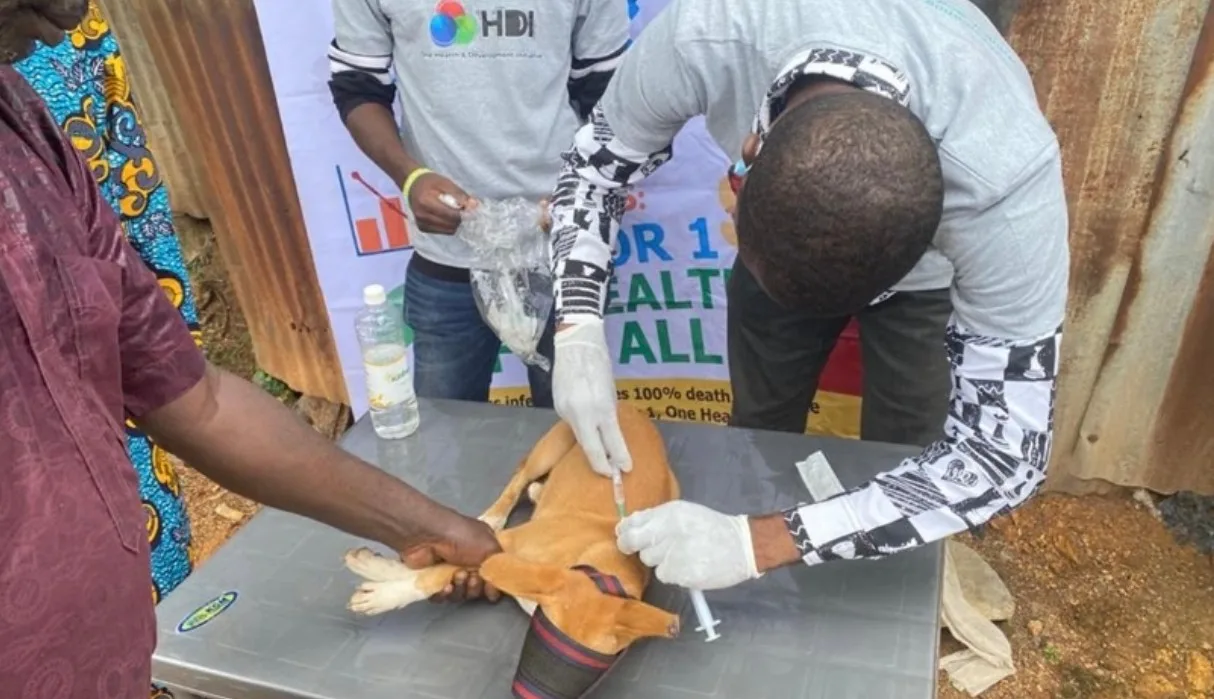
Nigeria is therefore strengthening mass dog vaccination, animal disease surveillance and community awareness. In early October, a vaccination programme targeting about 55,000 dogs was launched across communities in the Federal Capital Territory and several states, with the aim of reducing transmission at its source.
The strategy reflects a central principle of rabies elimination: protecting people requires controlling the disease in the animal population.
When human and animal health meet
The response also illustrates how the One Health approach can be applied to a disease that crosses the boundary between humans and animals.
Under this framework, veterinary services, health authorities, environmental actors, communities and development partners contribute to the same prevention effort. Animal health teams can identify and control infection among dogs, while health services monitor human exposures and ensure that people bitten or otherwise exposed can access appropriate care.
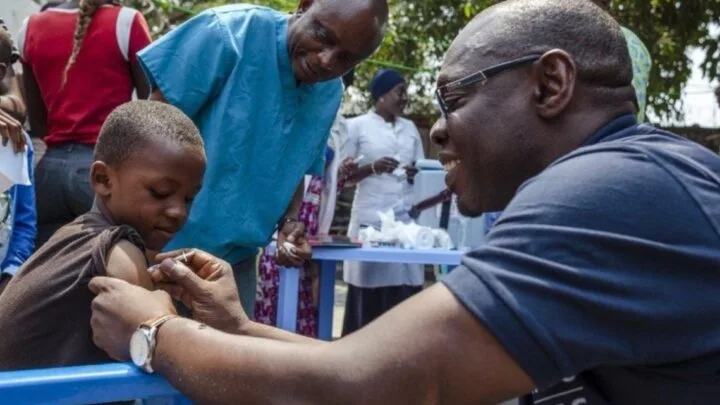
Community engagement is equally important. Reporting suspected cases, vaccinating dogs, seeking medical attention after a bite and avoiding unsafe contact with potentially infected animals can all contribute to breaking transmission.
For Nigeria, strengthening coordination between these sectors is therefore not only a veterinary priority. It is a way of reducing a preventable cause of death among humans.
Building a faster response
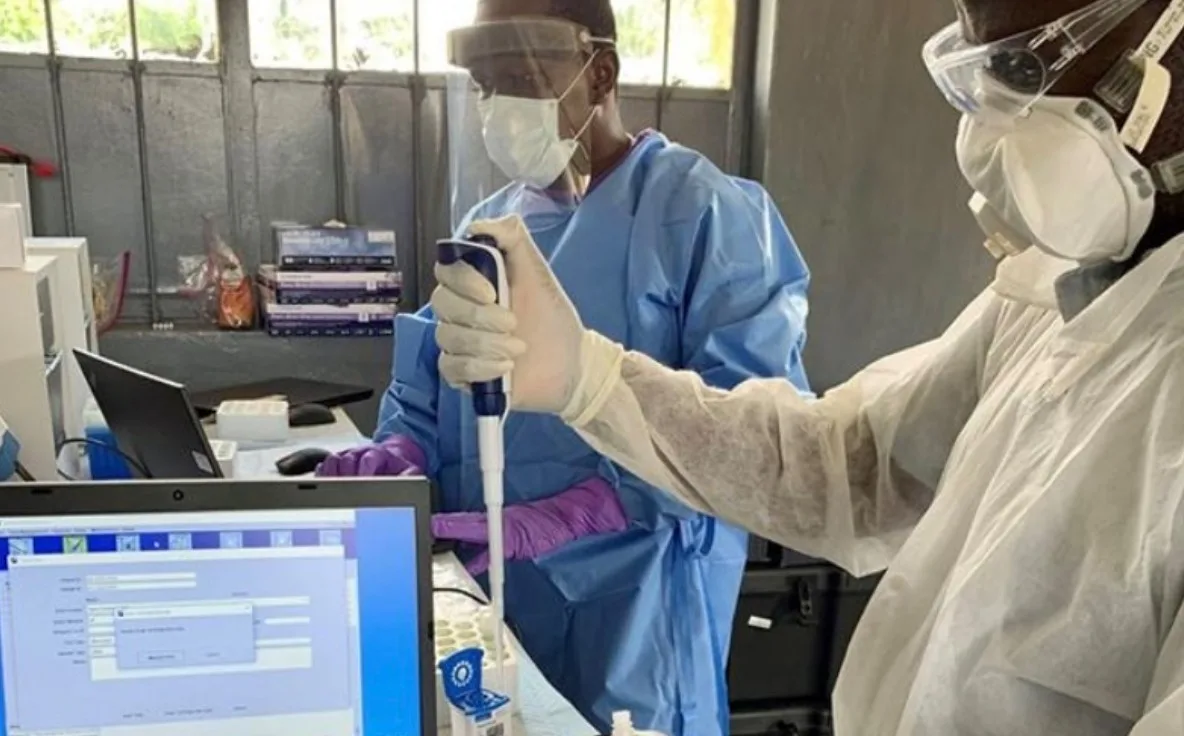
Nigeria is also working to improve its ability to detect and respond rapidly when rabies cases occur. WHO reports that the country has tested and validated a national Rapid Response Toolkit for Rabies, designed to support a more coordinated response to outbreaks.
Such tools can help authorities clarify responsibilities, improve surveillance and accelerate interventions when suspected cases are reported.
The need for a rapid response was illustrated earlier this year in the Federal Capital Territory, where authorities confirmed human rabies cases and deaths alongside animal infections. These events highlighted the consequences of gaps in vaccination, surveillance and access to timely post-exposure interventions.
Towards zero human deaths
Nigeria’s renewed efforts are part of the broader global objective of ending human deaths from dog-mediated rabies by 2030.
Reaching that target will depend not on a single intervention, but on sustained vaccination of dogs, stronger surveillance, timely post-exposure treatment and public awareness.
The Nigerian experience also demonstrates the practical value of One Health: a disease transmitted by animals cannot be eliminated through the human health system alone. By acting simultaneously on animal infections, human exposure and community behaviour, the country is seeking to stop rabies before it reaches its deadliest stage.