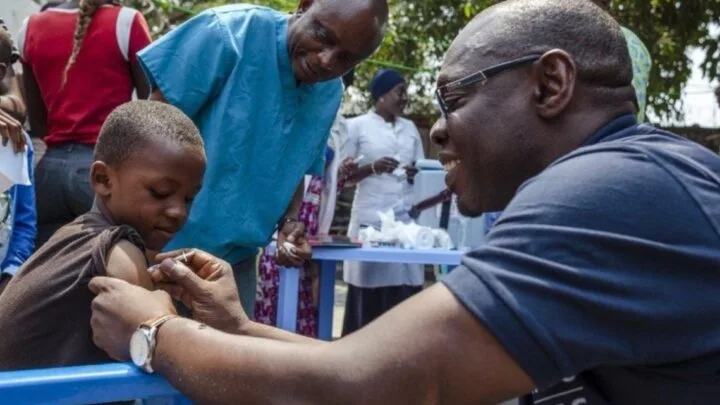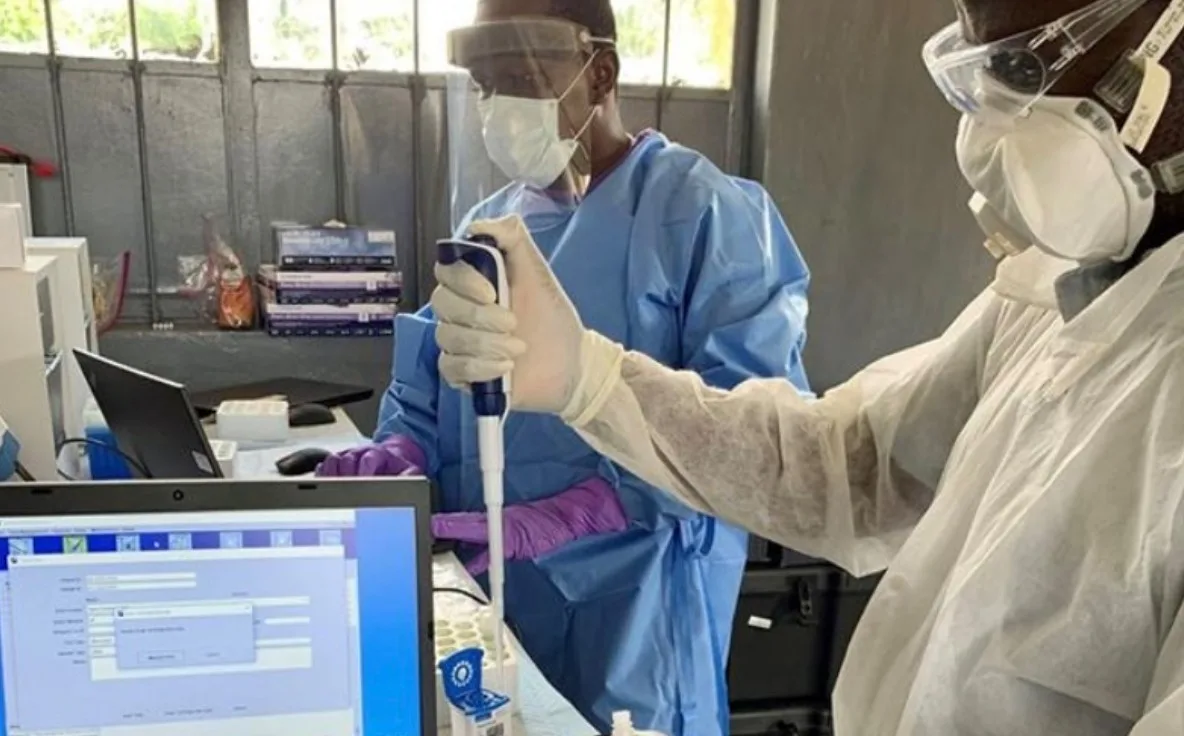

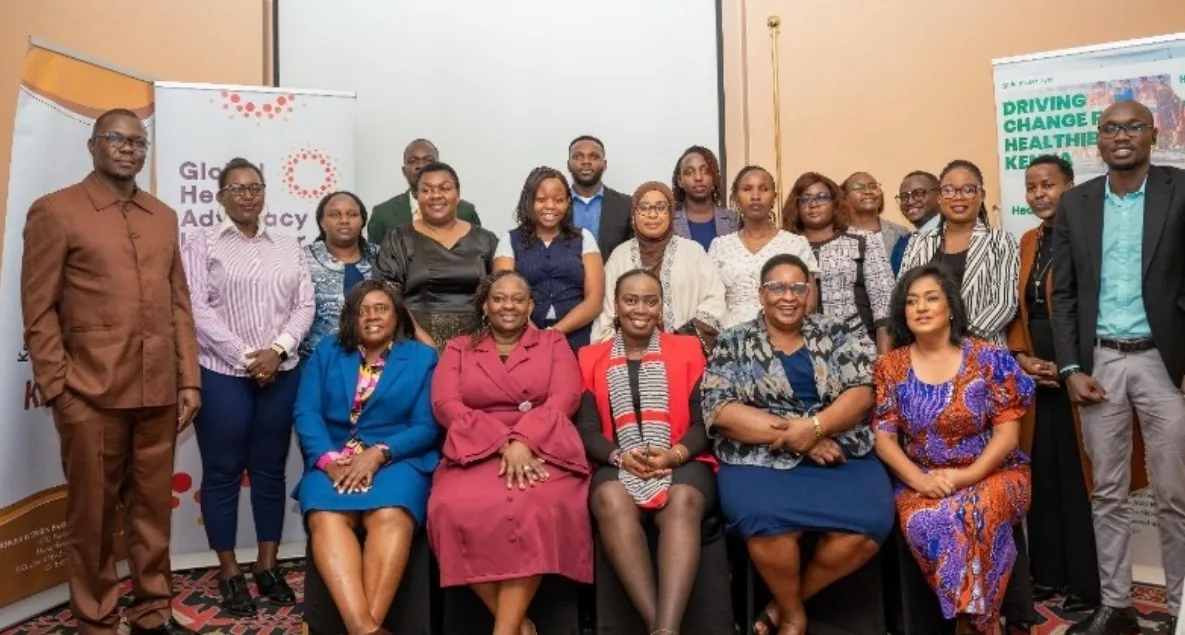
With 178,600 maternal deaths and about 1.18 million neonatal deaths recorded annually in Africa, parliamentarians are being urged to turn health commitments into stronger financing and measurable action. The call comes as Africa CDC and the African Union convene African lawmakers in Arusha, Tanzania, on October 8, on the margins of the 153rd IPU Assembly.
African parliamentarians meet in Arusha, Tanzania, to discuss stronger financing and accountability for maternal, newborn and child health.
Africa has made progress in reducing maternal deaths, but not quickly enough to meet the 2030 Sustainable Development Goal targets. Maternal mortality across African Union Member States fell by 42% between 2000 and 2023. Yet, at the current pace, the continent remains far from the target of fewer than 70 maternal deaths per 100,000 live births by 2030.
For Africa CDC, closing this gap will require more than policies and commitments. It will require sustained domestic financing, effective implementation and stronger accountability.
Financing remains a major gap
The latest continental evidence points to significant weaknesses in health financing. Only 28 of the African Union’s 55 Member States reported having a dedicated budget line for sexual and reproductive health.
The problem also extends beyond the availability of funds. Health facilities continue to face challenges linked to human resources, essential medicines, blood supplies, referral systems and access to quality maternal and newborn care.
Africa CDC also highlights weaknesses in the use of evidence from maternal and child death reviews. Among 34 countries whose review systems were examined, only 14 documented progress in implementing recommendations made after previous deaths.
This gap between identifying preventable deaths and acting on the lessons learned is particularly important. Death reviews are intended not only to establish what went wrong, but also to guide changes that can prevent similar deaths.
Why parliaments matter
The meeting in Arusha places African parliaments at the centre of the response.
Lawmakers have the power to approve national health budgets, scrutinise public spending and demand explanations from governments when commitments are not translated into services. Their role is therefore critical to ensuring that maternal and child health priorities receive resources and remain subject to political oversight.
The dialogue, organised by the Office of the AU Champion for Maternal and Child Health and Africa CDC, is focused on moving from political commitments to implementation.
The discussions are centred on the “Three Zeros” championed by Tanzanian President Samia Suluhu Hassan, the African Union Champion for Maternal and Child Health: zero home delivery, zero preventable maternal and newborn deaths, and zero unvaccinated children.
The objectives go beyond discussion. Participants are expected to work towards an Africa Parliamentary Action Note, identify focal points within national delegations and establish a date to review progress.
From commitments to results
The Arusha dialogue comes as Africa CDC and the African Union seek to accelerate implementation of the continental agenda for reproductive, maternal, newborn, child and adolescent health through 2030.
The challenge is now to ensure that commitments are reflected in national budgets, implemented in health facilities and followed through with measurable results.
For African countries, including Cameroon, the debate raises a practical question: how effectively are national parliaments using their budgetary and oversight powers to ensure that women, newborns and children receive the care needed to prevent deaths that should no longer be inevitable?