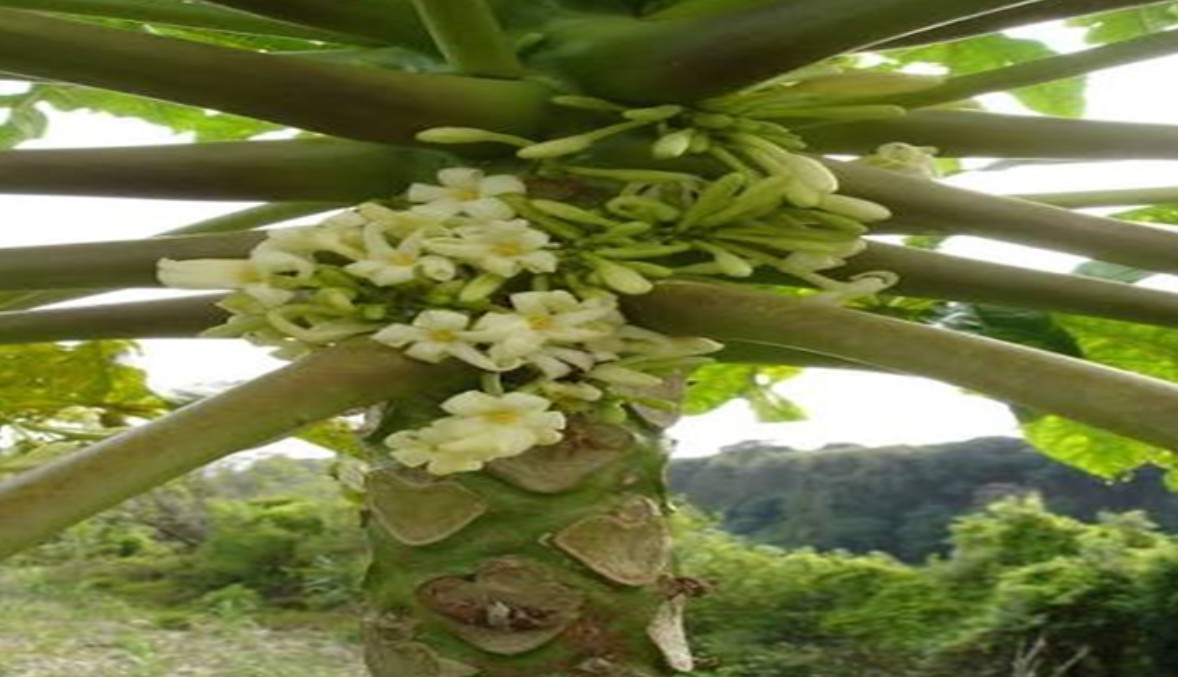
Rich in alkaloids, phenolic compounds, tannins, and trace proteolytic enzymes, papaya roots possess powerful antimicrobial properties that deeply cleanse the mouth.
Halitosis, more commonly known as bad breath, affects a significant portion of the population and generally originates from the proliferation of anaerobic bacteria in the oral cavity or from persistent digestive issues. While commercial mouthwashes and chewing gums temporarily mask the problem, phytotherapy remedies aim to treat its underlying causes. This is where papaya root (Carica papaya) comes into play—a plant organ endowed with exceptional purifying virtues.
A Synergy of Antibacterial and Purifying Active Ingredients
Rich in alkaloids, phenolic compounds, tannins, and trace proteolytic enzymes, papaya roots possess strong antimicrobial and decongestant properties. In traditional medicine, when prepared as a decoction or used as a mouthwash, their active molecules act directly on the oral flora.
On one hand, their antibacterial agents help curb the proliferation of bacteria responsible for decomposing food debris—the primary source of foul-smelling volatile sulfur compounds. On the other hand, their astringent and anti-inflammatory properties help soothe sensitive or inflamed gums, thereby reducing the bleeding often associated with oral malodor. Finally, when consumed as a light herbal tea, papaya root stimulates the secretion of digestive enzymes, helping to relieve acid reflux and sluggish digestion that can sometimes ascend into the oral cavity.
To fully benefit from the cleansing properties of this natural remedy, preparation in the form of a decoction remains the most widespread and effective method, as explained by Atangana, a naturopath: « To make this traditional recipe, begin by selecting a handful of fresh papaya roots, then clean them thoroughly with clean water to remove all impurities and soil. Next, cut them into small pieces or lightly crush them to promote the release of active ingredients. Boil the roots in about one liter of drinking water for fifteen to twenty minutes. Allow the preparation to cool down until warm, then carefully strain the liquid. »
The expert indicates that this broth is mainly used as a daily mouthwash, ideally morning and evening after brushing your teeth. Gargle continuously for one minute before spitting it out. For a heightened refreshing effect, some natural health practitioners recommend adding a pinch of sea salt or a few drops of fresh lemon juice at the time of use.
Precautions and Safety Advice
Although papaya root is a natural ingredient, its use requires adherence to essential safety guidelines. According to the expert, because the root contains higher concentrations of active ingredients than the fruit, it must be used with discretion.
Due to the presence of alkaloid compounds that are potentially stimulating to the uterus, the use of papaya root decoctions is strongly discouraged for pregnant or breastfeeding women, as well as young children. It is also recommended to favor external use as a mouthwash rather than prolonged internal ingestion
Finally, the expert recalled that bad breath can sometimes be a symptom of a more severe dental condition (cavities, periodontitis) or a chronic digestive disease. If discomfort persists despite good oral hygiene and the use of this natural remedy, consulting a dentist or an attending physician remains indispensable.