
As Cameroon prepares for its national measles and rubella vaccination campaign from October 14 to 18, the Cameroon Red Cross is training volunteers to raise awareness, address parental concerns and encourage families to vaccinate children aged 9 to 59 months amid a measles outbreak affecting health districts across the country.
Preparing volunteers for community engagement
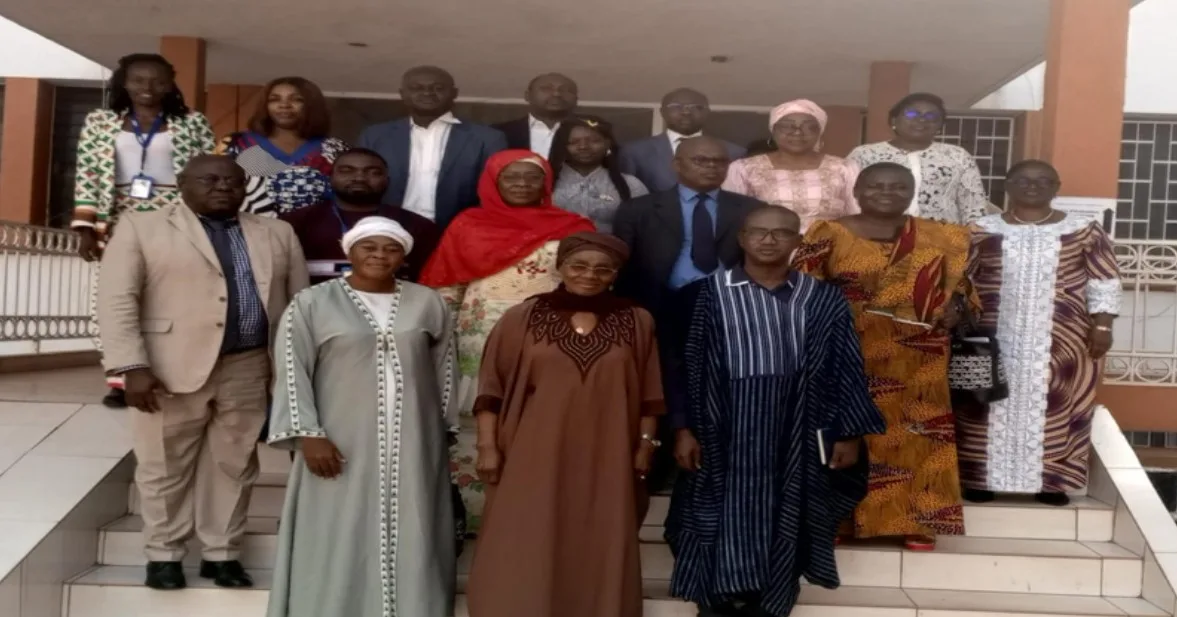
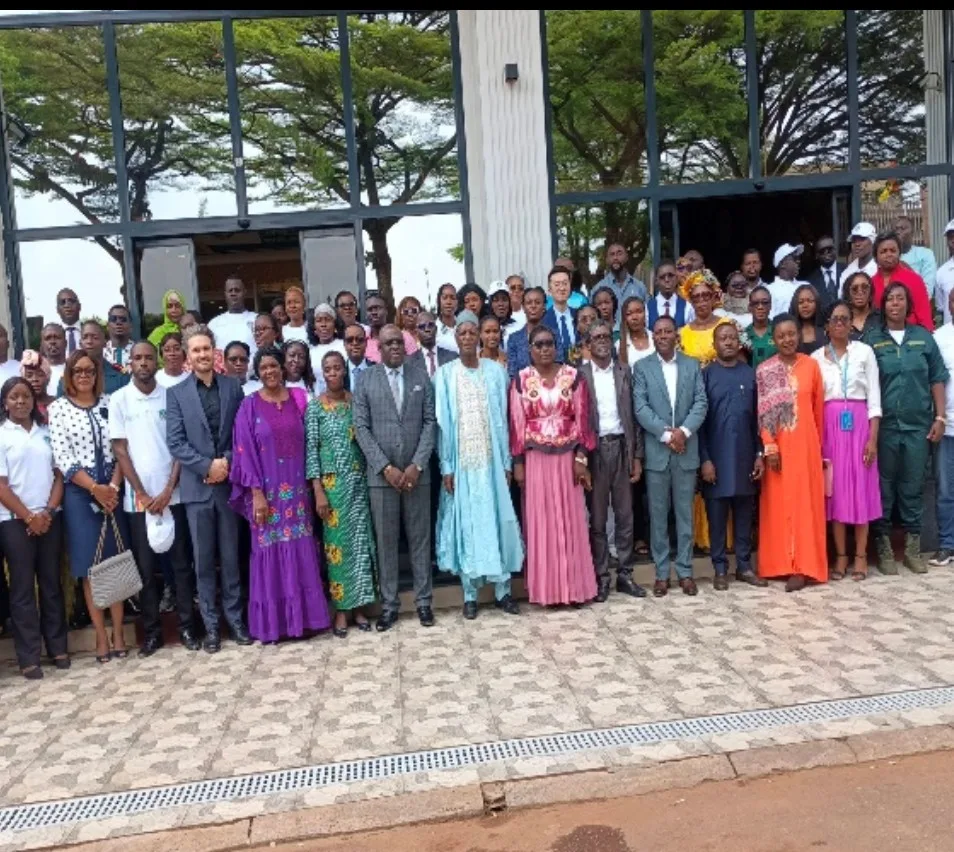
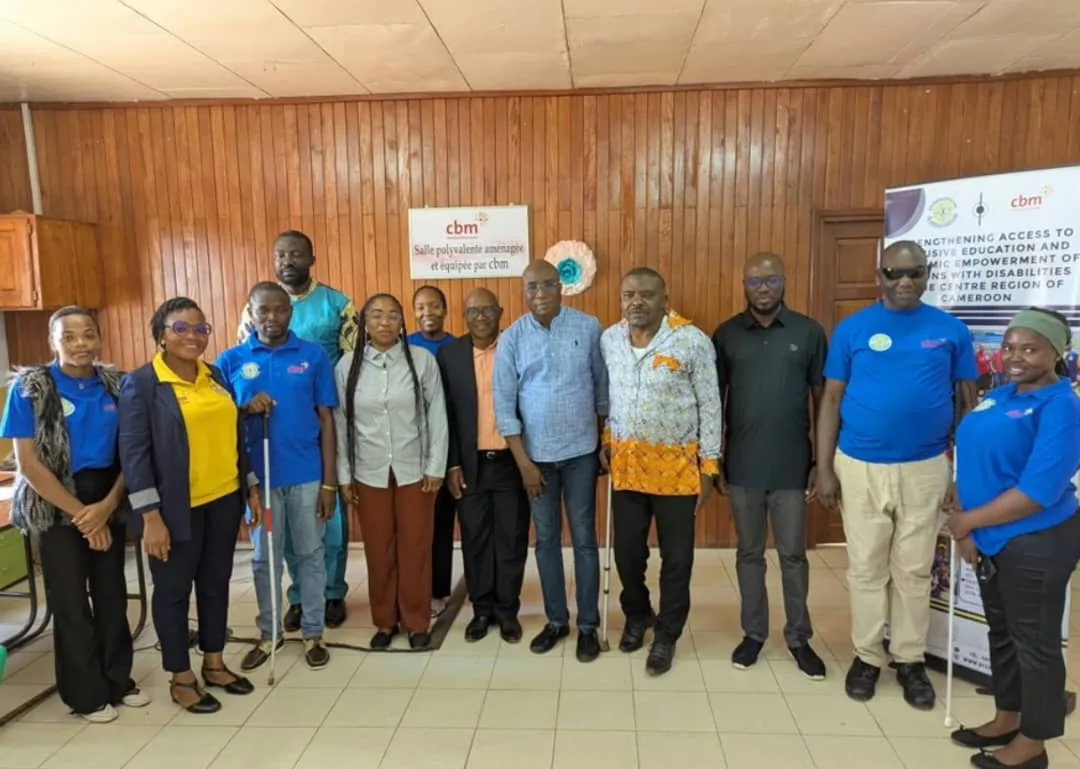
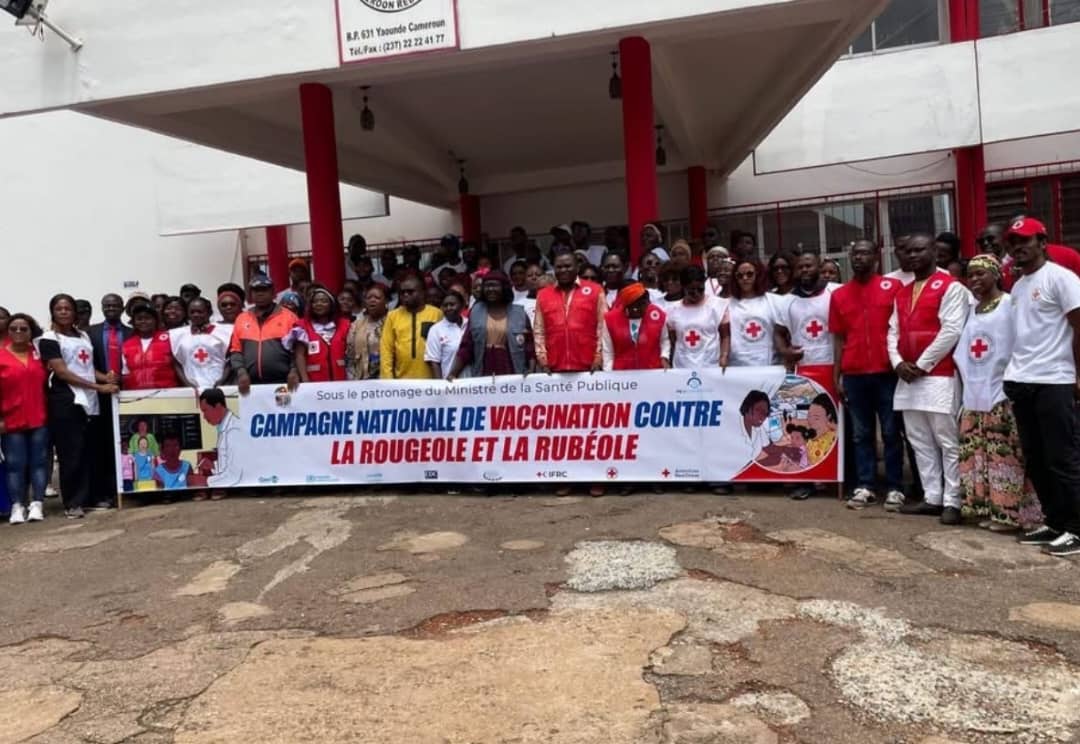
The Cameroon Red Cross has launched training for volunteers, with support from the Ministry of Public Health, as part of preparations for the national measles and rubella vaccination campaign. The initiative seeks to strengthen community engagement and
encourage families to participate in the vaccination drive.
The training focuses on communication, awareness-raising, community dialogue and data collection. These skills are intended to equip volunteers to interact effectively with families, provide reliable information and address concerns that may influence parents’ decisions about vaccinating their children.
The volunteers are expected to remain active throughout the campaign, reaching out to households and encouraging parents to take their eligible children to vaccination services.
Their activities cover several health districts across four regions. In the Littoral Region, the districts include Deido, New Bell, Nylon and Cite des Palmiers. In the North, the intervention covers Garoua I and Tchollire, while Djoungolo is concerned in the Centre Region. In the Far North, the targeted districts are Maroua I, Maroua II, Mokolo and Mora.
Addressing parental concerns about vaccination
Beyond providing information, the volunteers are expected to engage with parents who have reservations about vaccination. Misconceptions and concerns about vaccines can influence decisions within households, making community dialogue an important component of vaccination efforts.
Through direct contact with families, volunteers will have the opportunity to listen to their concerns, provide accurate information and explain the importance of protecting children against measles and rubella.
Their role is particularly important in communities where parents may need additional information before deciding to have their children vaccinated. By encouraging dialogue rather than simply delivering messages, the initiative seeks to foster greater understanding and acceptance of vaccination.
The volunteers’ work will also involve directing families towards health districts and vaccination services. Their contribution will therefore extend beyond awareness-raising to supporting the connection between communities and healthcare providers.
An outbreak underscores the urgency of vaccination
The mobilisation comes amid a significant measles outbreak in Cameroon. Figures presented by the Expanded Programme on Immunization in early October indicated that 9,369 confirmed cases and 18 deaths had been recorded in 2026, with 122 health districts experiencing outbreaks.
The figures highlight the continuing challenge of controlling a highly contagious disease, particularly among children who have not received adequate protection. The national campaign, scheduled for October 14 to 18, aims to reach nearly six million children, with a vaccination coverage target of at least 95 per cent.
Measles can cause serious complications, including pneumonia, severe diarrhoea and, in some cases, death. Rubella is generally milder in children, but infection during pregnancy can cause miscarriage or congenital abnormalities in the developing baby.
Vaccination remains a key public health measure for preventing both diseases and reducing their associated complications.
Taking vaccination services closer to families
Community mobilisation is expected to complement the work of vaccination teams, which will visit schools and households during the campaign. This approach is intended to bring information and vaccination services closer to families and help reach eligible children.
The effectiveness of these efforts will depend on coordination between community volunteers, health authorities and vaccination teams. Data collected during field activities may also help monitor awareness-raising efforts and identify communities requiring additional engagement.
For the Cameroon Red Cross, the challenge is to turn community outreach into greater participation in vaccination. The training therefore forms part of broader efforts to encourage families to protect their children against measles and rubella during the national campaign.