
Rich in vitamin K, calcium, and essential minerals, okra directly helps prevent osteoporosis and maintain bone mineral density.
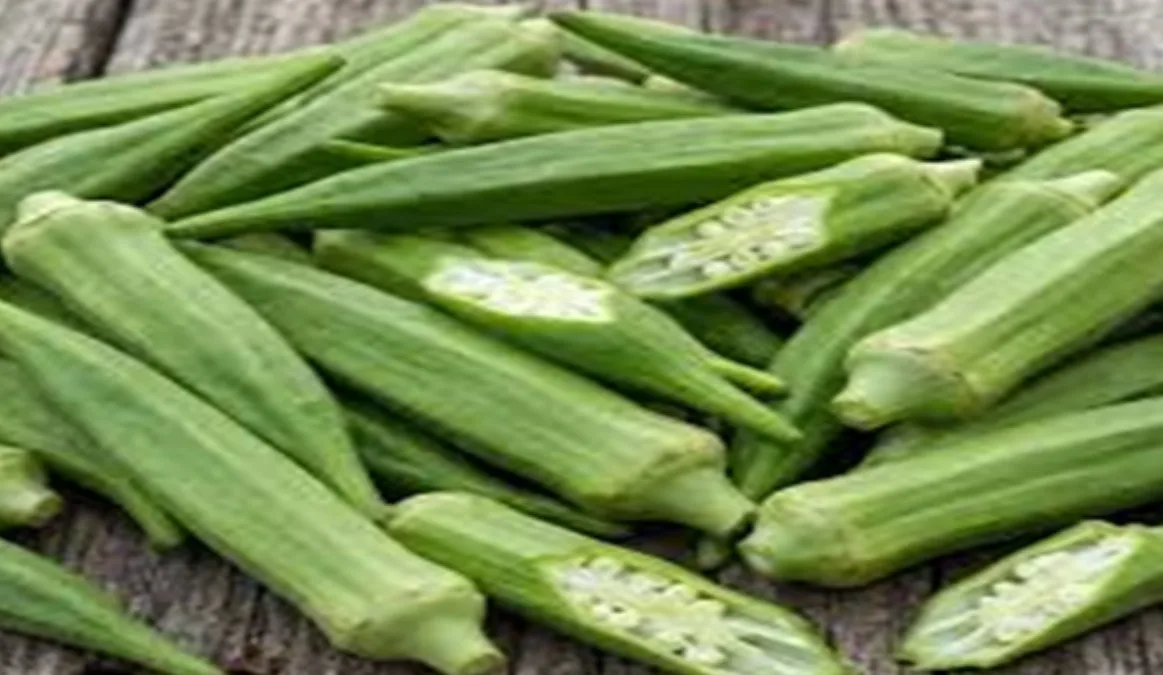
Okra, also known as gumbo or ladies’ fingers, is a long, green fruit-vegetable native to Africa. It stands out for its mild flavor—similar to eggplant—and its unique texture. When cut or cooked, it releases a natural gel-like substance called mucilage, which acts as an ideal thickener for traditional soups and stews around the world. Very low in calories, nutritionists consider it an excellent health ally due to its high content of fiber, antioxidants, vitamin K, and calcium, which actively contribute to strengthening bones and preventing osteoporosis.
A Vegetable Rich in Essential Nutrients
Okra is a valuable asset for bone health. Regular consumption directly helps maintain skeletal mineralization. The effectiveness of this vegetable relies on a unique synergy of nutrients and bioactive compounds. Its high vitamin K content is its primary asset, as this vitamin stimulates the production of osteocalcin—a protein essential for binding calcium directly into the bone matrix, thereby reducing fracture risks.
It also supplies calcium, the foundational mineral that forms and solidifies bone mass. Magnesium and phosphorus work in synergy with this calcium to ensure proper mineralization and structural bone strength, while manganese and antioxidants contribute to overall bone metabolism and protect cells against oxidative stress.
To fully benefit from okra’s virtues, Armand, a phytotherapist, suggests incorporating it into stews, soups, or steamed dishes, where its mucilage effectively retains nutrients. It can also be consumed as an infusion known as okra water: soak three to four sliced okras in a glass of water overnight, then drink the liquid in the morning.
However, if you suffer from a sensitive digestive tract, the phytotherapist advises introducing it gradually, as its high fiber content can occasionally cause mild bloating.