
Their powerful antipyretic and antiseptic properties help regulate body temperature and fight off infections.
Neem Leaves: The Natural Remedy to Lower Fever
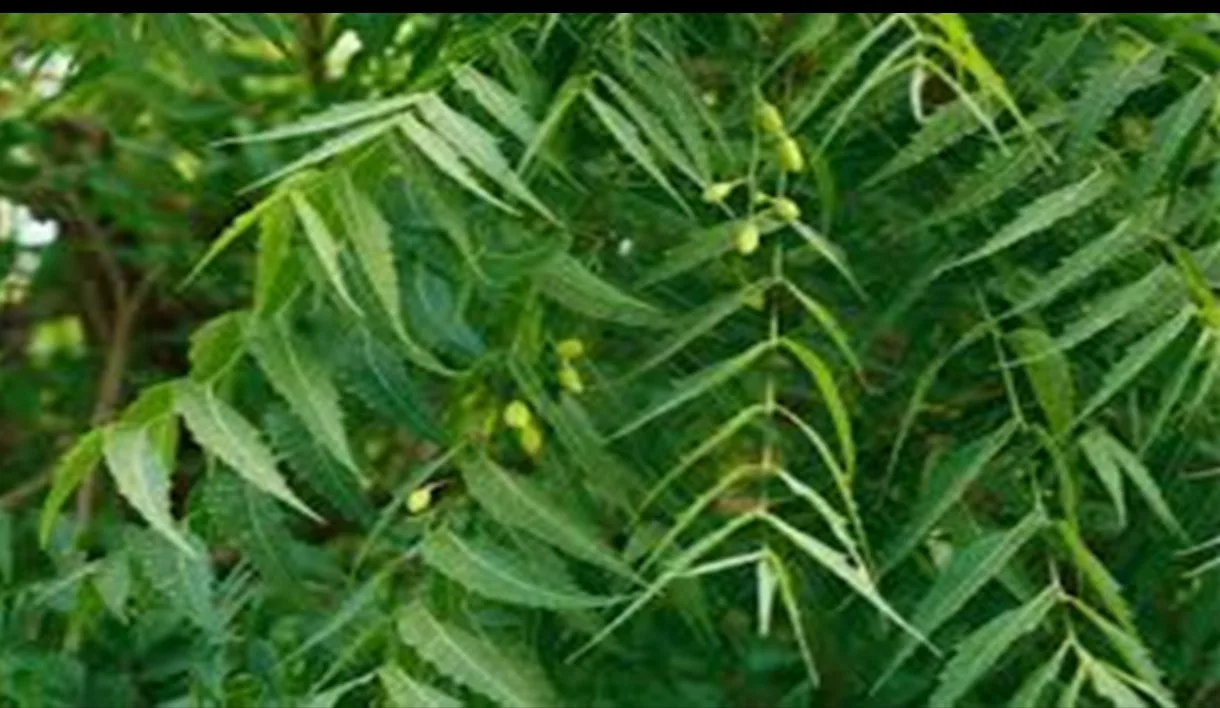
Neem leaves, harvested from the Azadirachta indica tree (also known as Indian lilac or margosa), are a true open-air pharmacy. Highly regarded in traditional medicine, they possess potent antipyretic (fever-reducing) and antiseptic properties that regulate body temperature and help the organism fight off infections. As an infusion, they are a traditional remedy across Africa and Asia, renowned primarily for their action against malarial fever.
Leaves with Antimalarial and Antipyretic Properties
The plant’s leaves contain natural compounds, such as gedunin, which exhibit antiparasitic properties capable of targeting the parasite responsible for malaria. Beyond malaria, this remedy is also used to soothe fevers caused by common bacterial or viral infections—such as flu-like conditions—as well as inflammatory fevers, thanks to its analgesic properties that relieve body aches and intense heat sensations.
Neem leaves also offer targeted action to calm the body during feverish episodes through their antipyretic and sudorific (sweat-inducing) effects. As Atangana, a naturopath, explains: « The infusion helps regulate body temperature by stimulating sweating to promote a drop in fever. » In addition, their anti-inflammatory and antiseptic properties assist the body in combating underlying bacterial or parasitic infections.
For traditional use, the specialist recommends infusing about ten neem leaves in one liter of water to prepare a tea or decoction.
Usage Precautions
Using neem leaves requires strict adherence to safety guidelines. Neem oil must never be ingested due to its toxicity to the liver, kidneys, and heart; only controlled leaf infusions or powders should be taken internally.
Furthermore, internal use of neem is not recommended for pregnant or breastfeeding women, nor for young children.
Finally, it is essential to remember that fever is merely a symptom and that neem cannot cure everything on its own. Malaria, particularly in young children, can progress very rapidly into severe and fatal forms; drinking this tea should never delay seeking medical consultation, undergoing a rapid diagnostic test, or taking conventional antimalarial treatment.
Similarly, a persistent fever may conceal a severe bacterial infection requiring targeted antibiotics that a natural remedy cannot replace. If the fever is high, lasts longer than 48 hours, or is accompanied by severe symptoms such as vomiting, breathing difficulties, or confusion, consulting a healthcare professional immediately is essential.