
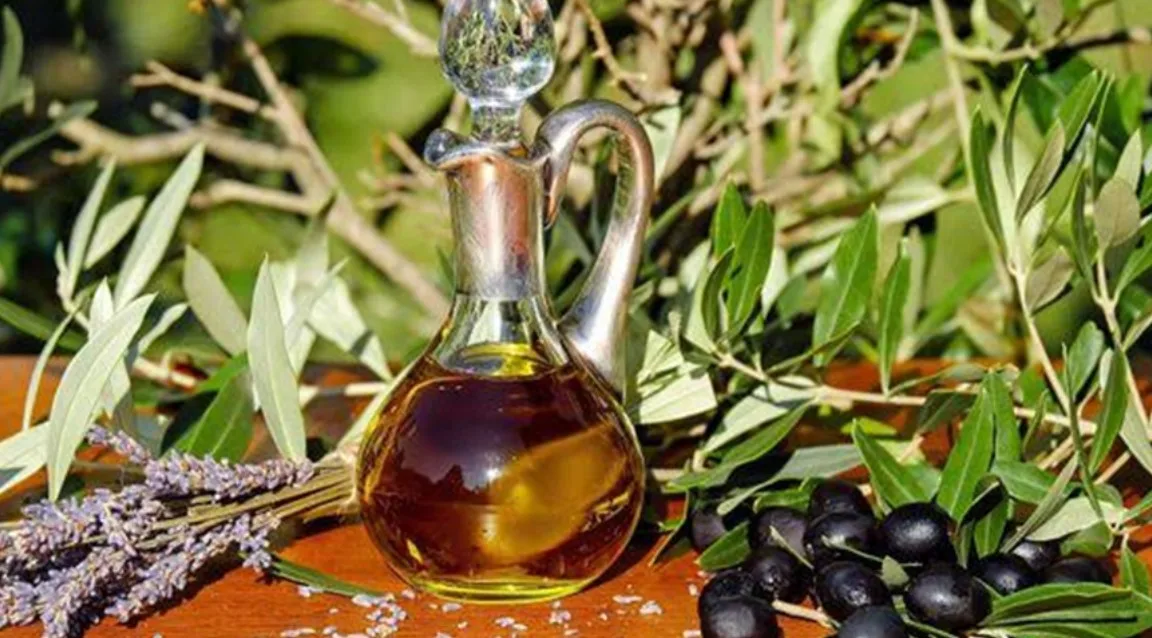
Thanks to its high content of monounsaturated fatty acids and oleic acid, olive oil helps regulate blood cholesterol levels.
Olive oil and olives are key allies for good cardiovascular health. Regular consumption of olive oil is scientifically associated with up to a 41% reduction in the risk of stroke (cerebrovascular accident), particularly among seniors, according to experts.
The benefits of olives and olive oil in preventing strokes are based on several precise biological mechanisms. On one hand, its abundance of monounsaturated fatty acids and oleic acid improves the lipid profile by helping regulate blood cholesterol levels, thereby preventing atherosclerosis by inhibiting the formation and hardening of fatty plaques that can obstruct cerebral arteries and cause an ischemic stroke. On the other hand, the antioxidant action of polyphenols—through unique phenolic compounds such as hydroxytyrosol and oleuropein—protects blood lipids from oxidative stress by specifically preventing « bad » cholesterol (LDL) from oxidizing and damaging vessel walls. This efficacy is so well-established that it has earned an authorized health claim from the European Food Safety Authority.
Furthermore, olive oil exerts notable effects on blood pressure and vascular flexibility, as hypertension is the primary risk factor for stroke. As explained by Dr. Ibrahim, a naturopath: « Its components help relax arterial walls, contributing to a moderate drop in blood pressure while globally improving endothelial function and the health of the inner layer of blood vessels to ensure better blood flow to the brain. »
To effectively protect the cardiovascular system, the naturopath recommends consuming two to four tablespoons of olive oil daily, used regularly as a replacement for saturated fats such as butter or fresh cream. Ideally, it should be consumed raw as a salad dressing or drizzled at the end of cooking to preserve all of its precious antioxidant polyphenols, although it remains entirely stable for gentle pan-frying. To guarantee this therapeutic effectiveness, it is imperative to choose an oil labeled as extra virgin and obtained from first cold pressing, packaged in an opaque container and stored away from light and heat.
Finally, because olive oil remains caloric, it must replace other fats and be part of an overall Mediterranean diet rich in vegetables, fiber, and low in salt to optimize arterial health.