
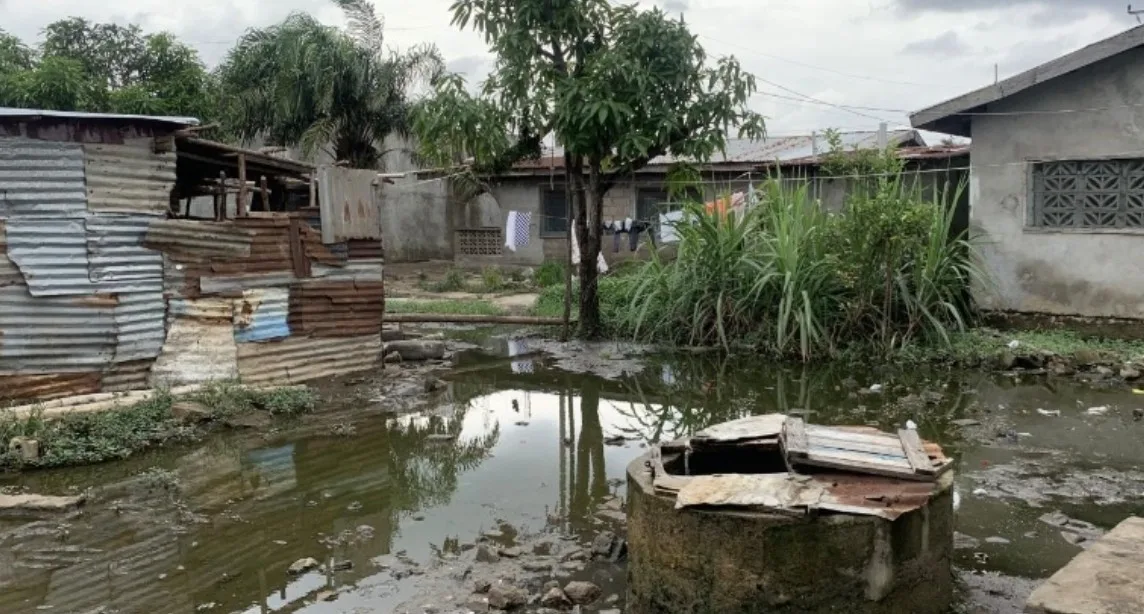
Stagnant water around homes, blocked drains and discarded containers can create breeding sites for malaria-carrying mosquitoes. Regular cleaning and proper water management can help households reduce these risks.
The danger around the home
Malaria prevention does not begin only at bedtime. It also starts in the surroundings of the home. During and after the rainy season, puddles, uncovered water containers, blocked gutters and discarded objects can collect water and provide suitable conditions for mosquito breeding.
Female Anopheles mosquitoes transmit malaria parasites through their bites. Depending on the species, they may lay their eggs in shallow pools, drains and other suitable water habitats. When these sites are left unattended, they can contribute to mosquito proliferation and increase exposure to infectious bites.
Small places, big risks
Some breeding sites are easily missed during routine cleaning. Old tyres, empty cans, plastic containers, broken buckets and discarded bottles can collect rainwater. Even small depressions in the ground may hold water long enough for mosquitoes to develop. Regular checks are especially useful after heavy rainfall, when new pools can appear.
Blocked drains are another concern. Leaves, plastic bags and household waste can obstruct water flow, allowing pools to form near homes. Uncovered drums, buckets and tanks used for water storage can also give mosquitoes access to breeding places.
Make cleaning a routine
Reducing breeding opportunities does not always require expensive equipment. Inspect the compound regularly and remove objects that can collect rainwater. Empty and scrub unused containers, and keep water storage drums and tanks tightly covered.
Clear drains so that water can flow freely. Where possible, fill holes and depressions around the house where water repeatedly accumulates. Dispose of waste properly instead of leaving it in open spaces or drainage channels.
Neighbours can also organise clean-up activities in shared spaces, including communal drains and abandoned plots, where stagnant water may go unnoticed.
Cleaning alone is not enough
Environmental sanitation can reduce mosquito breeding sites, but it cannot guarantee complete protection against malaria. Not all mosquitoes transmit the disease, and removing visible stagnant water does not eliminate every possible breeding site.
Households should combine environmental management with other prevention measures, particularly sleeping under insecticide-treated mosquito nets. Anyone with symptoms such as fever, headache or chills should seek prompt testing at a health facility rather than rely on self-medication.
Keeping the surroundings clean is more than an aesthetic responsibility. By removing stagnant water, maintaining drains and covering stored water, households and communities can reduce mosquito breeding opportunities and contribute to malaria prevention.