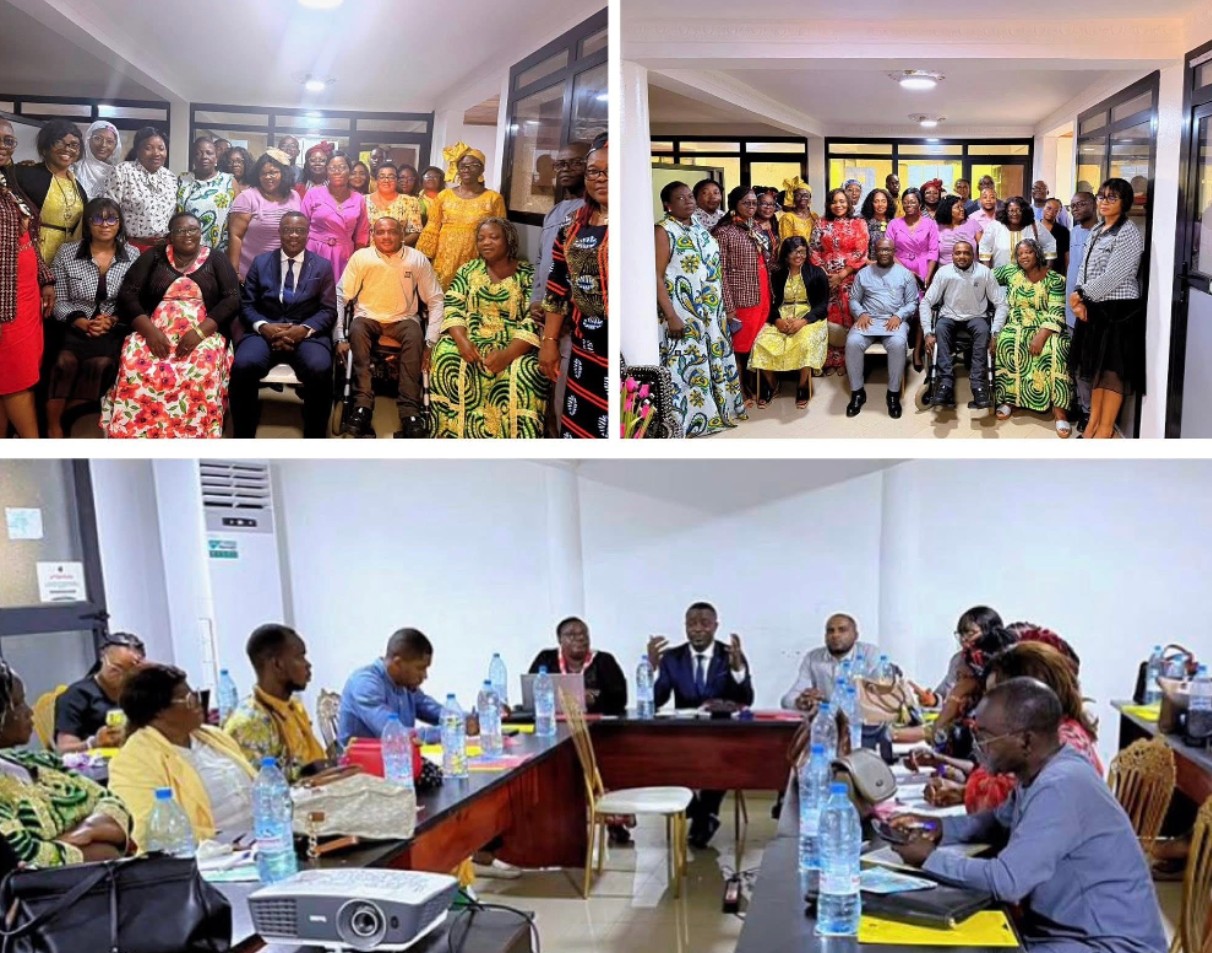
A capacity-building session in Soa equips social workers from health facilities and schools with critical skills to strengthen prevention, reduce stigma, and improve psychosocial support for people living with HIV.
National AIDS Control committee organized conference in Soa.
In a quiet conference setting in Soa, just outside Yaoundé, a strategic shift in Cameroon’s HIV response began to take shape at the end of April. For two days, social workers often operating behind the scenes, were brought to the forefront of the national fight against HIV.
Held on April 29 and 30, 2026, the capacity-building session followed a directive from the Ministry of Public Health calling for stronger engagement of social workers from both health facilities and schools. The gathering brought together 25 participants, including 15 social assistants from health facilities and 10 from secondary schools across Yaoundé, reflecting a deliberate effort to bridge the gap between the health and education sectors.
At the core of the training was a clear objective: to strengthen participants’ knowledge of HIV/AIDS, enhance their psychosocial support skills, and improve the overall management of people living with HIV (PLHIV). But beyond technical reinforcement, the session emphasized a more fundamental shift; recognizing social workers as key actors in prevention and long-term care.
Discussions highlighted their strategic role in raising awareness, particularly among young people, and in tackling persistent stigma and discrimination; two of the most significant barriers to effective HIV response. Whether in clinics or classrooms, social workers are uniquely positioned to foster trust, encourage testing, and support adherence to treatment.
Participants were also urged to refine their current practices in order to address
gaps in achieving the first of the global “95-95-95” targets, ensuring that more people know their HIV status. This remains a critical challenge in Cameroon, where late diagnosis continues to undermine treatment outcomes.
Speaking during the session, the Permanent Secretary of the National AIDS Control Committee emphasized the importance of a multisectoral and inclusive approach. He acknowledged that the limited involvement of social workers had previously hindered progress, but noted that this gap is now being actively addressed.
“The social worker is now on the front line of the response,” he stated, calling for stronger mobilization of these professionals within both community-based and institutional frameworks.
Echoing this commitment, the Central Focal Point for HIV/AIDS at the Ministry of Social Affairs, speaking on behalf of the Minister, stressed the need to place people living with HIV at the center of all interventions. He advocated for more inclusive, rights-based approaches tailored to the realities of vulnerable populations, while also commending the initiative as a strategic move to professionalize psychosocial care.
Looking ahead, participants agreed on the establishment of a monitoring and evaluation system to better track field activities and improve data reporting. This step is expected to enhance evidence-based decision-making and ensure more effective coordination of interventions.
As the session closed, one message stood out clearly: strengthening the role of social workers is no longer optional, it is essential. In the evolving landscape of Cameroon’s HIV response, they are no longer just support actors, but pivotal drivers of change.
Ornéla ZANGA