The recent confirmation of a case of Mpox in the city of Buea has put the Cameroonian health system on high alert.
Faced with the growing panic, the Minister of Public Health, Dr. Manaouda Malachie, issued a solemn appeal for vigilance and community mobilization.
Simultaneously, on the ground, the Southwest Regional Delegation of Public Health has launched an offensive through a rigorous response plan focused on capacity building and epidemiological surveillance.
In response to the legitimate concerns of the population in the Southwest region, the Minister of Public Health reassured the public of the full mobilization of the national surveillance system. While calling for calm (“Let’s remain vigilant, but not panic”), the ministerial authority reiterates that Mpox (formerly monkeypox) is an infectious viral disease that affects men, women, and children alike. The early detection of the case in Buea demonstrates the effectiveness of our healthcare system.
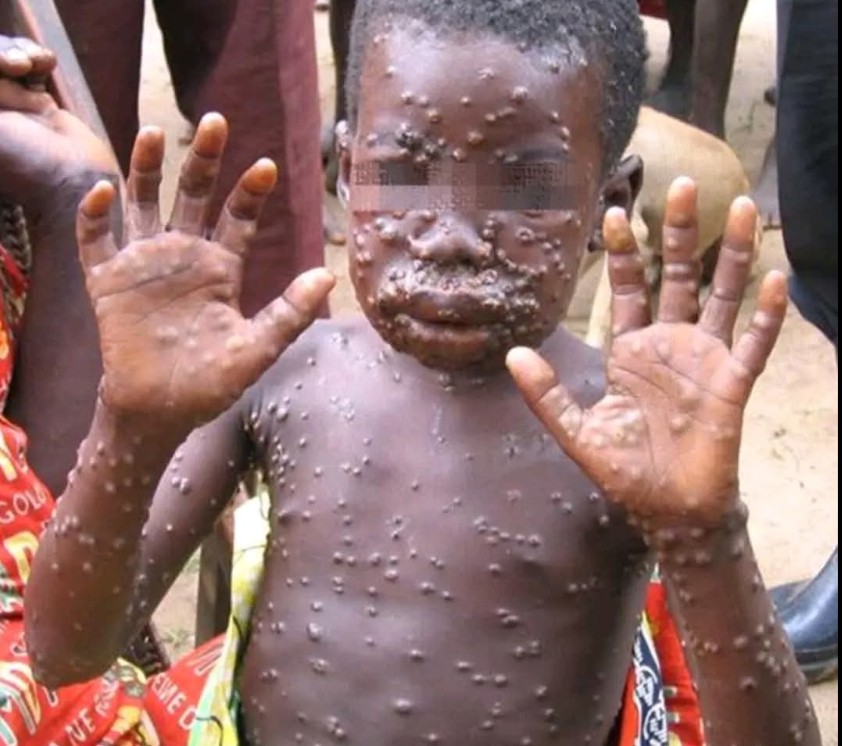
The head of the Department of Health emphasizes that recovery is complete with prompt treatment. He stresses the importance of recognizing the key symptoms: a sudden fever, severe headaches, extreme fatigue, muscle pain, swollen lymph nodes (lymphadenopathy), and a characteristic rash affecting the face, hands, and feet. The minister urges every citizen to avoid stigmatization, a destructive weapon of prevention, and to refrain from spreading misinformation on social media.
Because the virus spreads through close contact, the Ministry reminds the public that transmission occurs through direct contact with lesions, bodily fluids, or contaminated objects (sheets, clothing). Prevention relies on simple but strict barrier gestures: regular handwashing with soap and running water, avoiding suspicious contacts, and immediately seeking medical attention at the nearest health center for any suspicious symptoms. To break the chain of transmission, a freephone hotline is available: 1510.
The Southwest Regional Delegation’s tactical response
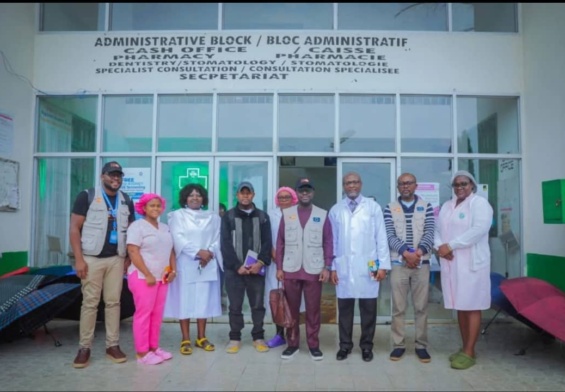
On the operational response front, the Southwest Regional Delegation of Public Health immediately implemented government directives. Under the strategic coordination of the Regional Delegate, Dr. Eko Eko Filbert, a two-day capacity-
building workshop was organized for healthcare professionals in the region. This crucial initiative aimed to strengthen technical skills in screening, clinical investigation, and patient treatment.
Dr. Eko Eko Filbert emphasized the unique epidemiological complexity of the Southwest region, characterized by a distinctive alternation between type I and type II Mpox strains. This specificity necessitates in-depth field investigations to map infection sources and adapt response protocols. The Delegate commended the essential technical and financial support of international partners such as STRIDES FHI 360, WHO, UNICEF, and Africa CDC, which is vital to sustaining this long-term fight.
Under the guidance of Dr. YAYA Aminou Eric, a field epidemiologist with the Investigation Unit, the workshop addressed essential pillars: infection prevention and control (IPC) in hospital settings, biological logistics (sample collection, secure packaging, and transport), and a major introduction to Mpox vaccination (target populations, inoculation strategies, and monitoring of post-immunization adverse events – PIECEs).
Dr. Eko Eko Filbert concluded by urging surveillance stakeholders to intensify active contact tracing and community outreach. In the face of Mpox, the synergy between citizen vigilance and medical rigor remains our best defense.
Junior NTEPPE KASSI