The confirmation of a Mpox case in Buea has raised public concern and renewed attention on the disease. The Ministry of Public Health is calling for vigilance rather than panic, while reminding citizens of the symptoms, modes of transmission and preventive measures that can help contain the virus.
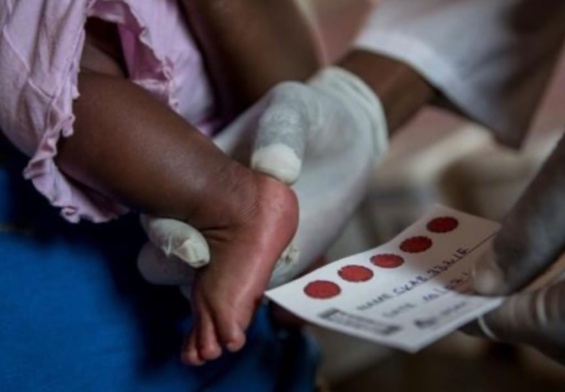
Health workers reinforce Mpox surveillance and prevention efforts following a confirmed case in Buea, urging the public to remain vigilant, recognize symptoms early and adopt basic hygiene and safety measures to limit transmission.
The confirmation of a Mpox case in Buea has prompted renewed public health vigilance in Cameroon. While the announcement has generated concern among residents, health authorities insist that the situation remains under control and that surveillance mechanisms are fully operational to detect, manage and contain any potential spread of the disease.
Mpox, formerly known as monkeypox, is a viral infectious disease that can affect anyone, regardless of age or gender. Although the illness may cause significant discomfort, medical experts emphasize that most patients recover completely when they receive appropriate care and monitoring.
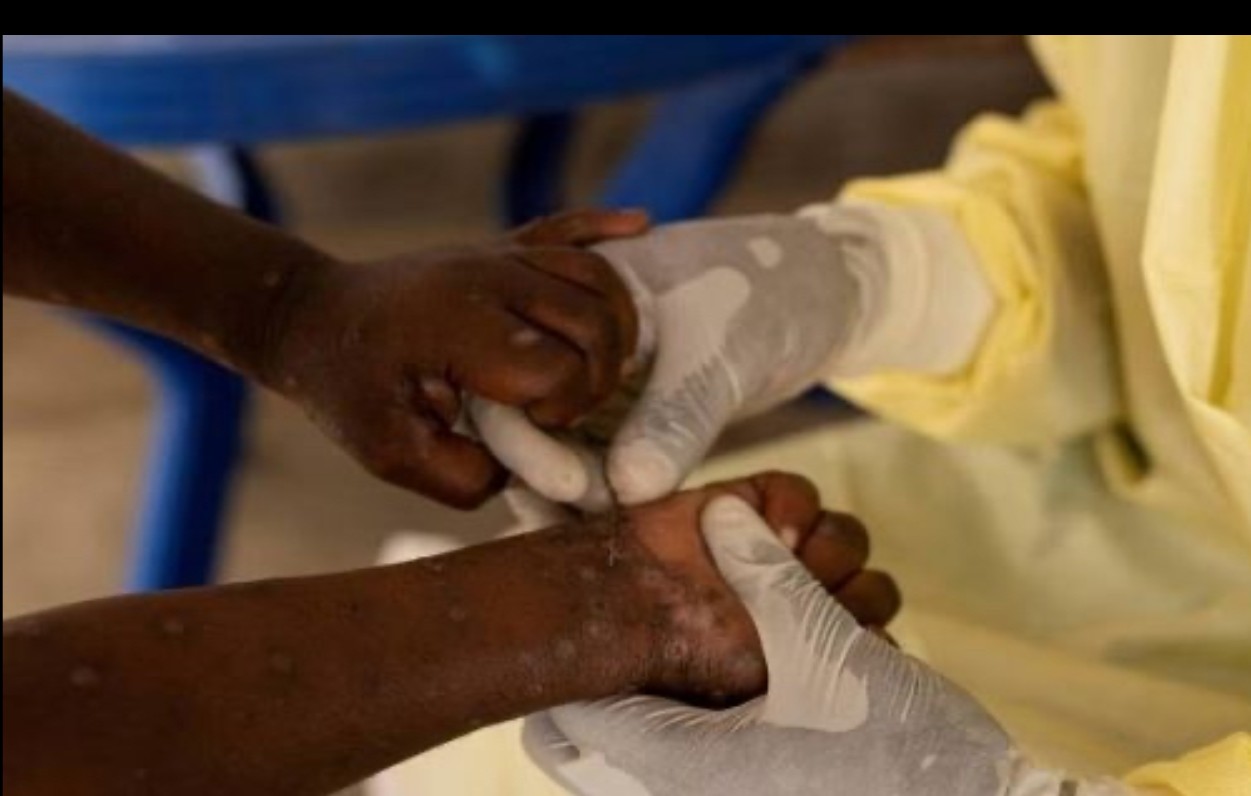
The disease often begins with flu-like symptoms. Patients may experience a sudden fever, headaches, muscle pain, fatigue and swollen lymph nodes. Within a few days, these
symptoms are commonly followed by a skin rash that can appear on the face, hands, feet and other parts of the body. The rash may evolve through several stages before healing completely.
Health authorities explain that Mpox spreads mainly through close physical contact with an infected person. Direct contact with skin lesions, bodily fluids or contaminated materials such as clothing, bed sheets and towels can facilitate transmission. Prolonged face-to-face or skin-to-skin contact may also increase the risk of infection.
In response to the confirmed case, the Ministry of Public Health has intensified awareness efforts and is encouraging communities to adopt simple but effective preventive measures. Frequent handwashing with soap and clean running water remains one of the most important defenses against infection. Citizens are also advised to avoid close contact with individuals presenting suspicious skin rashes and to refrain from sharing personal items with someone who may be infected.
Medical professionals stress the importance of early consultation. Anyone who develops a fever accompanied by an unusual rash should seek care at the nearest health facility without delay. Early diagnosis not only improves patient outcomes but also helps prevent further transmission within families and communities.
Beyond the health response, authorities are urging the public to avoid stigmatizing infected individuals and their relatives. Public health experts warn that fear and discrimination can discourage people from reporting symptoms or seeking treatment, ultimately making disease control more difficult.
Officials are also calling for responsible use of social media. As information circulates rapidly online, citizens are encouraged to rely only on verified information from official health sources and to avoid sharing rumors or unconfirmed reports.
According to the Ministry of Public Health, the detection of a case should be viewed as evidence that the surveillance system is functioning effectively. Authorities maintain that vigilance, community cooperation and adherence to preventive measures remain essential to limiting the spread of Mpox and protecting public health.
Ornéla ZANGA