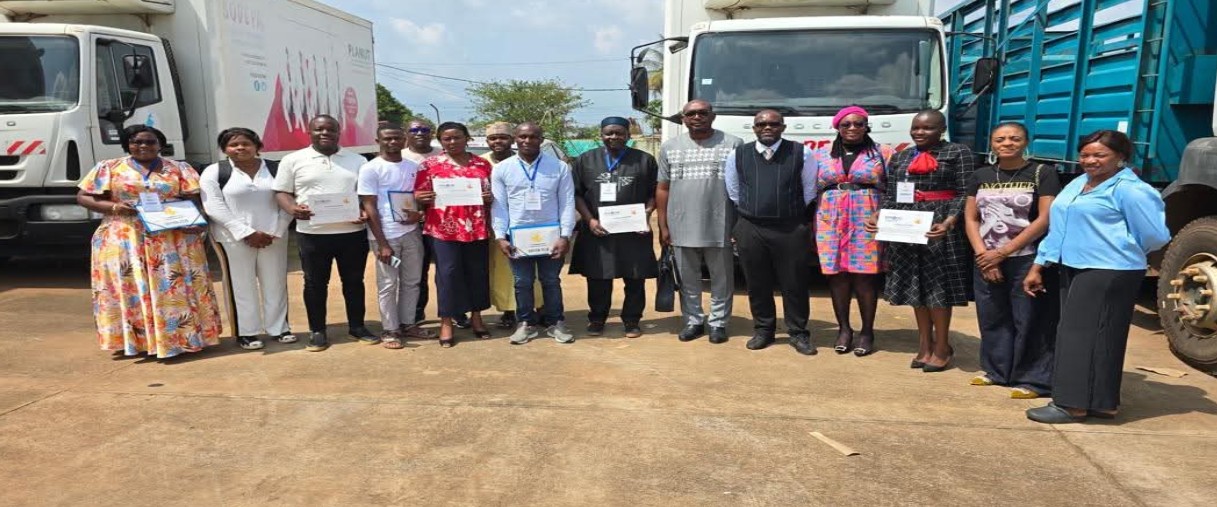
On May 25, 2026, the CNPS and the Labour Inspectorate organised a training session for the benefit of the Occupational Health and Hygiene Committee of the Yaoundé Industrial Slaughterhouse.
It was May 25th. At the Yaoundé Industrial Slaughterhouse, a major initiative brought together the National Social Security Fund (CNPS) and the Labor Inspectorate. Their objective: to train members of the Occupational Health and Safety Committee (CHST) in best practices for preventing occupational risks. This action marks a decisive turning point in the safety culture of this strategic infrastructure for supplying meat to the Cameroonian capital. First, it is important to remember that the Yaoundé Industrial Slaughterhouse is a high-risk site. Indeed, the slaughtering, cutting, and packaging activities expose workers daily to multiple hazards: cutting accidents, falls on slippery floors, musculoskeletal disorders due to carrying heavy loads, not to mention the biological risks associated with handling animal carcasses. Furthermore, the use of mechanized and thermal equipment further increases the likelihood of serious incidents. Faced with this situation, health and social authorities understood that preventive action was becoming urgent and essential.
Structured training and specific objectives
It was with this in mind that the National Social Security Fund (CNPS) and the Labor Inspectorate jointly organized this training session on May 25, 2026. First, the members of the Health, Safety and Working Conditions Committee (CHST) were made aware of the regulations governing occupational health and safety in Cameroon, particularly the Labor Code and the implementing decrees relating to health and safety committees. Second, they received practical training on identifying
risks specific to the slaughterhouse environment and on developing an appropriate preventive action plan. Third, the CNPS presented the mechanisms for handling workplace accidents and occupational diseases, emphasizing the importance of promptly reporting incidents.
In addition, the Labor Inspectorate led a workshop on the rights and responsibilities of members of the Health, Safety and Working Conditions Committee (CHSCT). Specifically, the workshop focused on teaching them how to conduct regular inspections, write alert reports, and communicate with the employer to implement corrective measures. Furthermore, simulation exercises allowed participants to familiarize themselves with life-saving procedures in the event of a serious accident.
Concrete benefits for worker safety
Following this training, several improvements are worth noting. Firstly, the members of the Health, Safety and Working Conditions Committee (CHSCT) now have methodological tools enabling them to ensure continuous health monitoring within the slaughterhouse. Secondly, a schedule of quarterly inspection visits has been established in consultation with the Labor Inspectorate. Consequently, the employer has committed to allocating a budget specifically for the purchase of personal protective equipment (PPE) and the adaptation of the most critical workstations.
Furthermore, this initiative is part of a broader CNPS policy aimed at reducing the number of workplace accidents throughout the country. Indeed, every year, thousands of Cameroonian workers are victims of preventable incidents, generating considerable human and economic costs. The training provided by the Health, Safety and Working Conditions Committee (CHST) at the Yaoundé Industrial Slaughterhouse therefore serves as a replicable model for other companies in the agri-food sector.
Ultimately, the collaboration between the CNPS (National Social Security Fund), the Labor Inspectorate, and the Yaoundé Industrial Slaughterhouse demonstrates that prevention is everyone’s responsibility. However, this momentum cannot be sustained. Therefore, the trainers recommended holding annual refresher training sessions and establishing an internal monitoring committee. In this way, slaughterhouse workers will be able to perform their jobs in safer conditions, and meat consumers in Yaoundé will indirectly benefit from a more reliable and responsible production environment.
ESN