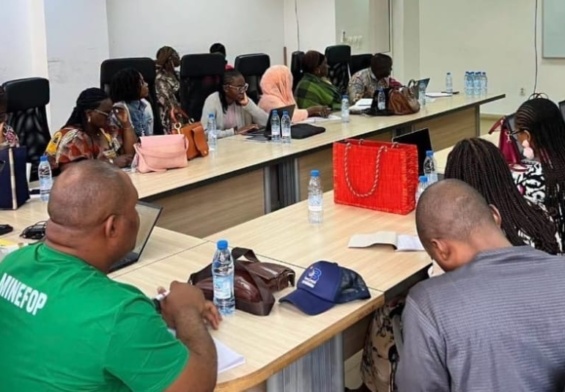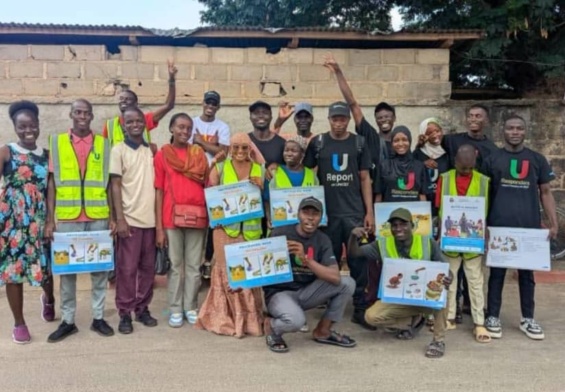
Plan ahead to protect better. This was the guiding principle behind the proceedings of the second meeting of the PEV’s CCIA-R, held on 1 June 2026. With the region facing sporadic cases of yellow fever in Ndop and Kumbo, the regional leadership has called for a general mobilisation of the education, social affairs and communications sectors. The immediate objective is to revitalise epidemiological surveillance in underperforming areas and actively prepare for the major national campaign against measles and rubella scheduled for next September.
The meeting brought together representatives of regional administrations, technical and financial partners, faith-based organizations, programme coordinators and members of the various committees supporting immunization activities in the region. The objective of the meeting was to review the performance of immunization activities in 2025 and the first quarter of 2026, discuss challenges affecting programme implementation, and identify strategies to sustain and improve vaccination coverage in the region.
In his opening remarks, His Excellency the Governor welcomed all participants and thanked them for honoring the invitation despite their busy schedules. He reiterated the importance of immunization as one of the most effective public health interventions for reducing child morbidity and mortality and emphasized the need for collective action to ensure that all children in the North-West Region have access to life-saving vaccines.
The Governor highlighted the role of the Committee as a strategic platform for coordination, resource mobilization, advocacy and monitoring of immunization activities. He encouraged participants to actively contribute to discussions and propose practical solutions to existing challenges. Participants introduced themselves and the institutions they represented. The Regional Coordinator of the Expanded Programme on Immunization outlined the objectives of the meeting and presented the agenda. Administrative and logistical arrangements for the
workshop were communicated to participants before proceeding to the technical session.
The Regional Coordinator of EPI presented an overview of immunization performance in the region, covering achievements recorded in 2025 and the first quarter of 2026.
The presentation revealed that 2025 recorded the best vaccination performance in recent years, with Penta 3 coverage reaching approximately 73.8%, compared to 65% in 2021. The improvement was attributed to support from Gavi through the Full Portfolio Planning (FPP) initiative, enhanced field supervision, periodic vaccination interventions and increased outreach activities in underserved communities. The Coordinator noted that although first-quarter performance indicators for 2026 appeared lower than expected, the decline was largely due to instability of the DHIS2 platform, which affected data reporting nationwide. Consequently, reported figures do not accurately reflect actual field activities.
The malaria vaccine programme continued in Bamenda, Benakuma, Nkambe and Misaje Health Districts. Performance remained encouraging, especially in Bamenda Health District, which contributed significantly to regional achievements. The fourth dose of the malaria vaccine, introduced in December 2025, was also showing promising uptake. The region maintained strong communication and community mobilization efforts. Regular sensitization campaigns, community engagement activities and media outreach contributed to improved acceptance of vaccination services among caregivers and communities. Communication indicators remained satisfactory throughout 2025 and the first quarter of 2026.
The Committee was informed that surveillance activities remained active across the region. Monitoring of Acute Flaccid Paralysis (AFP), measles, rubella and yellow fever continued to be prioritized. However, some districts such as Benakuma, Ndu, Nwa and Nwu demonstrated weak performance in detecting and investigating suspected cases. The region recorded yellow fever cases in Ndop and Fundong during 2025, prompting a local response vaccination campaign in Ndop which achieved over 95% coverage. One yellow fever case was also reported in Kumbo East during the first quarter of 2026.
The Coordinator reported that vaccine availability remained generally satisfactory. Nevertheless, concerns were raised regarding stock levels of BCG and Measles-Rubella vaccines in view of the planned outbreak response campaign in Bamenda Health Districts. The region currently possesses one negative cold room, one positive cold room, a refrigerated vehicle, 2,144 vaccines carriers and 148 refrigerators. An additional 121 solar refrigerators are expected to strengthen the cold chain system.
The programme implemented activities supported by Government, Gavi, UNICEF and WHO funding. While substantial resources were mobilized in 2025, concerns were raised about declining global health financing and the sustainability of current interventions. The Coordinator emphasized the need for innovative local solutions and stronger inter-sectoral collaboration to maintain gains achieved in immunization coverage. Following the presentation, members engaged in extensive discussions and provided observations and recommendations.
The Regional Delegate of Public Health stressed that global health financing is becoming increasingly constrained and emphasized the need for local stakeholders to leverage existing systems and resources to sustain immunization services. He highlighted the role of all sectors represented in the Committee, including Education, Communication, Women Empowerment and Social Affairs, in supporting vaccination efforts.
The representative of Social Affairs raised concerns regarding vaccination coverage among vulnerable populations, including persons living with disabilities and indigenous communities. He recommended that future data collection systems consider mechanisms for documenting and monitoring these groups to facilitate targeted interventions and resource mobilization.
The Regional Delegate of Communication requested additional information on existing communication strategies and expressed readiness to strengthen media engagement and public awareness activities. The EPI Coordination Team emphasized that communication remains a critical pillar of immunization and welcomed closer collaboration ahead of the planned Measles-Rubella campaign scheduled for September 2026.
Representatives from Basic Education, Women Empowerment and the Family, and the Regional Assembly highlighted their contributions to sensitization activities and reaffirmed their commitment to supporting immunization programmes through community mobilization and advocacy. They acknowledged that continuous awareness creation has significantly improved public confidence in vaccination services.
Participants unanimously recognized the challenges posed by insecurity, difficult terrain, inadequate staffing and declining external funding. Nevertheless, they commended the efforts of vaccination teams who continue to reach hard-to-access communities despite operational difficulties.
After deliberations, the Committee agreed on the following actions:
Sustain inter-sectoral collaboration among all stakeholders represented in the Committee to support immunization activities. Develop innovative and context-specific strategies to maintain and improve vaccination coverage despite declining external funding. Strengthen communication and community engagement efforts ahead of upcoming vaccination campaigns, particularly the Measles-Rubella campaign scheduled for September 2026. Continue advocacy for adequate funding and support from Government, partners and local authorities. Ensure rapid reception, distribution and utilization of the 121 solar refrigerators and other EPI equipment expected in the region.
Improve surveillance activities in poorly performing districts and strengthen case detection and investigation systems. Complete all pending activities within the 2026 Annual Work Plan and ensure timely reporting and accountability. Respect the prescribed frequency of CCIA meetings to facilitate regular monitoring of programme implementation and performance.
In his closing remarks, His Excellency the Governor thanked participants for their active participation and constructive contributions. He commended the Regional Delegation of Public Health and the EPI Coordination Team for the progress achieved despite prevailing challenges. He urged all stakeholders to remain committed to protecting children against vaccine-preventable diseases and strengthening the health security of the North-West Region.
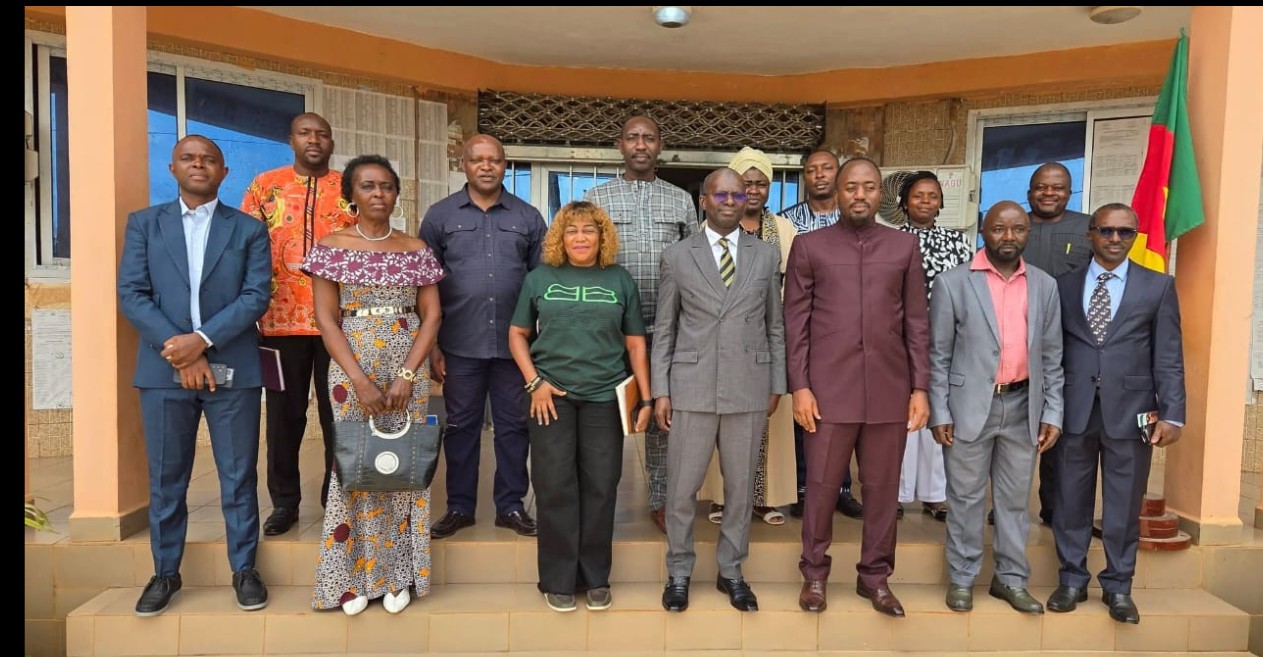
The Governor officially declared the meeting closed at 2:00 p.m. and invited participants to continue supporting immunization efforts through coordinated action and sustained collaboration. A family photograph was taken after the meeting.
Rédaction