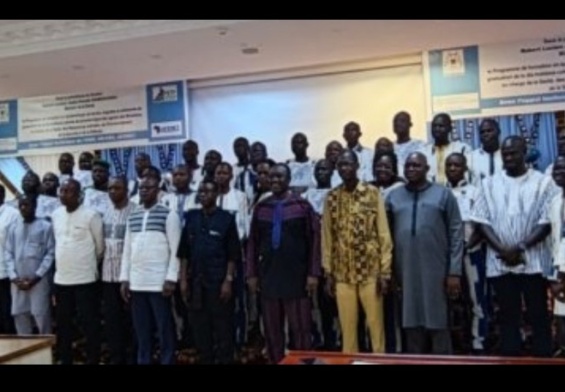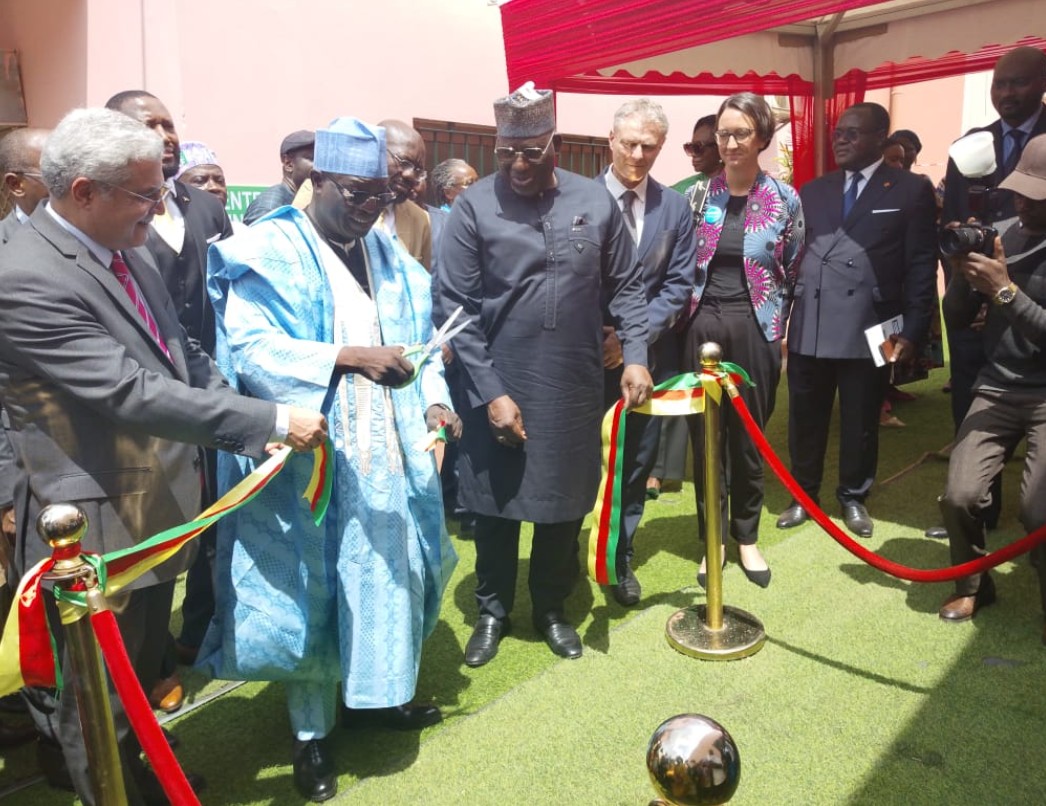
Inaugurated on June 12, 2026, in Yaoundé, the new National and Inter-Country Reference Laboratory for Polio at the Pasteur Center of Cameroon marks a turning point for health in Central Africa.
Faced with a virus capable of paralyzing a person within 72 hours, this infrastructure, three times larger and funded with the WHO, the Gates Foundation, and eHealth Africa, becomes the shield for five countries.
Thanks to the integration of disruptive technologies such as genomic sequencing, the center acquires crucial health sovereignty, drastically reducing detection times. This center of excellence and training will also serve to track future epidemic threats.
It is now a true race against time, played out on equal footing. Faced with polio, where the infection can strike and paralyze a child in barely 72 hours, rapid detection is a matter of life or death. Although Africa has been officially certified free of wild poliovirus since August 2020, the threat of vaccine-derived variants requires constant vigilance, particularly in the Lake Chad Basin. To address this crucial challenge, the Pasteur Center of Cameroon (CPC) has just inaugurated its brand-new National and Inter-Country Laboratory, the result of a strategic alliance between WHO Africa, the Bill & Melinda Gates Foundation, and implementation partner eHealth Africa.
A regional hub with three times the capacity
Accredited continuously by the WHO since its creation in 1999, the
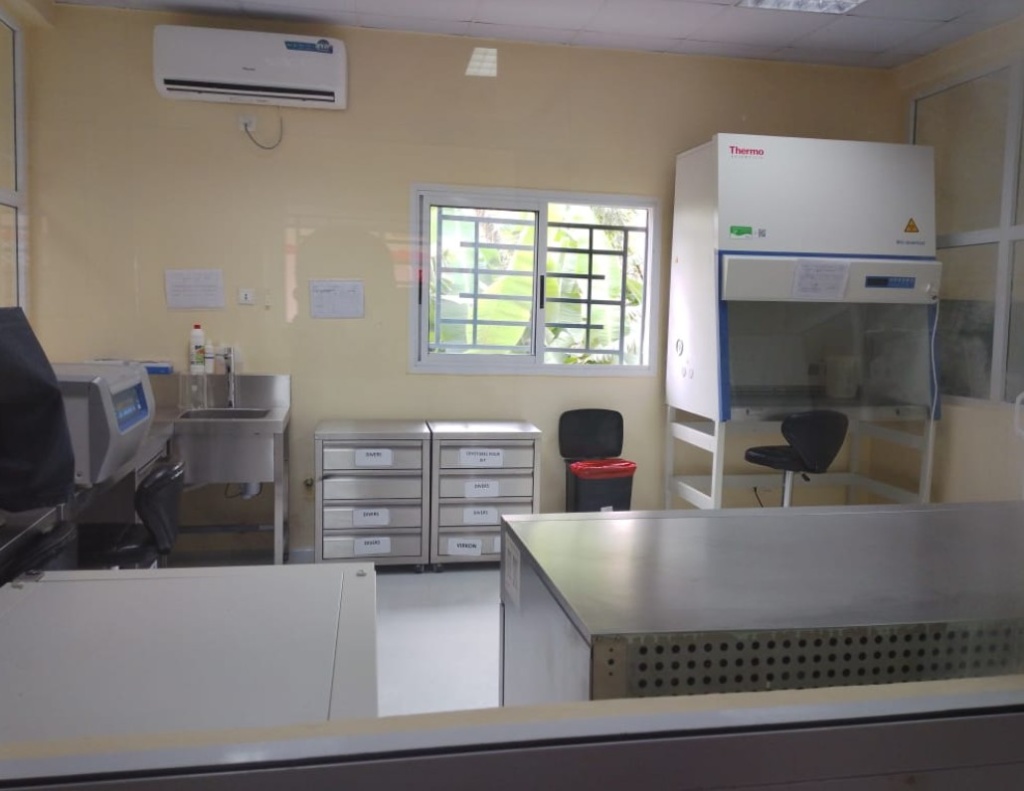
Yaoundé laboratory has undergone a radical transformation. Previously cramped in its former premises, the service now boasts an infrastructure three times larger. This crucial increase in space allows it to handle a colossal volume of activity: more than 2,500 human samples and 1,000 environmental samples (wastewater) are analyzed there each year.
This massive logistical operation is commensurate with its cross-border mission. Designated as an « inter-country » center, it centralizes and processes samples in real time from Cameroon, Chad, Gabon, Equatorial Guinea, and São Tomé and Príncipe. By becoming one of the 16 elite laboratories accredited on the continent, Yaoundé is establishing itself as the epidemiological sentinel for the entire sub-region.
Technological Revolution and Data Sovereignty
The major added value of this expansion lies in the integration of disruptive technological platforms. The laboratory first preserves a rare expertise: cell culture for viral isolation, a disappearing skill of which the CPC is the last guardian in Central Africa. Added to this is the power of real-time PCR molecular biology.
But the real revolution lies elsewhere. The laboratory is deploying its own genomic sequencing platform, notably based on Oxford Nanopore’s portable MinION technology. This miniaturized device allows the virus’s genome to be decoded anywhere, bypassing conventional laboratories.
Until recently, Cameroon had to send its samples to Atlanta or South Africa, incurring significant transport delays. By internalizing sequencing, the country is gaining « national sovereignty » over its health data. Analysis times are drastically reduced, allowing authorities to make immediate response decisions in the event of an epidemic. « Just one day saved in delivering results means thousands of lives and children’s health saved, » argues an official.
Beyond Polio: A Shield for the Future
As emphasized by representatives of the WHO and the CPC’s
management, this modern building was designed according to a sustainability model that extends beyond polio alone. The accumulated expertise, enhanced biosecurity systems, and state-of-the-art equipment will serve as a prime platform for tracking other infectious diseases and emerging pathogens.
Finally, this new complex is positioned as a hub of academic excellence. Thanks to the creation of dedicated spaces, the center will significantly increase its capacity for hosting WHO regional training programs and supervising Master’s and PhD students from across the continent. Faced with the persistent challenges of population movements, climate crises, and declining routine vaccination coverage post-COVID, Cameroon is equipping itself with a world-class tool. More than a laboratory, it is a sanctuary for ensuring the long-term status of an Africa definitively free of poliovirus.
Reaction : “This laboratory allows us to accelerate diagnosis”
Dr. Mirdad Kazanji, Director of the Pasteur Center.
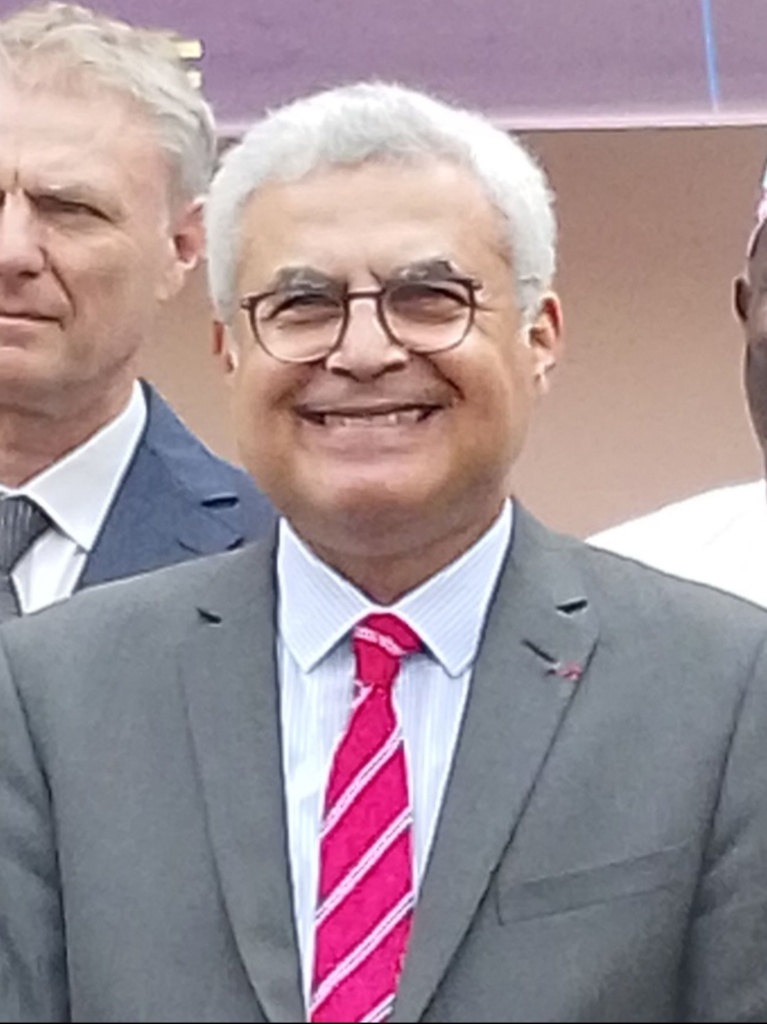
“This laboratory is extremely important for Cameroon because it allows us to accelerate diagnosis. And every minute, every hour saved is a life saved. So, with the modern technologies we have, it will allow us to quickly go from sample to genome sequencing and identify as quickly as possible. It is truly a technological gem for Cameroon, and for the Pasteur Center, of course. And we at the Pasteur Center* have all the necessary expertise to maintain it with our skills, with our researchers who work every day for the benefit of the people of Cameroon.”