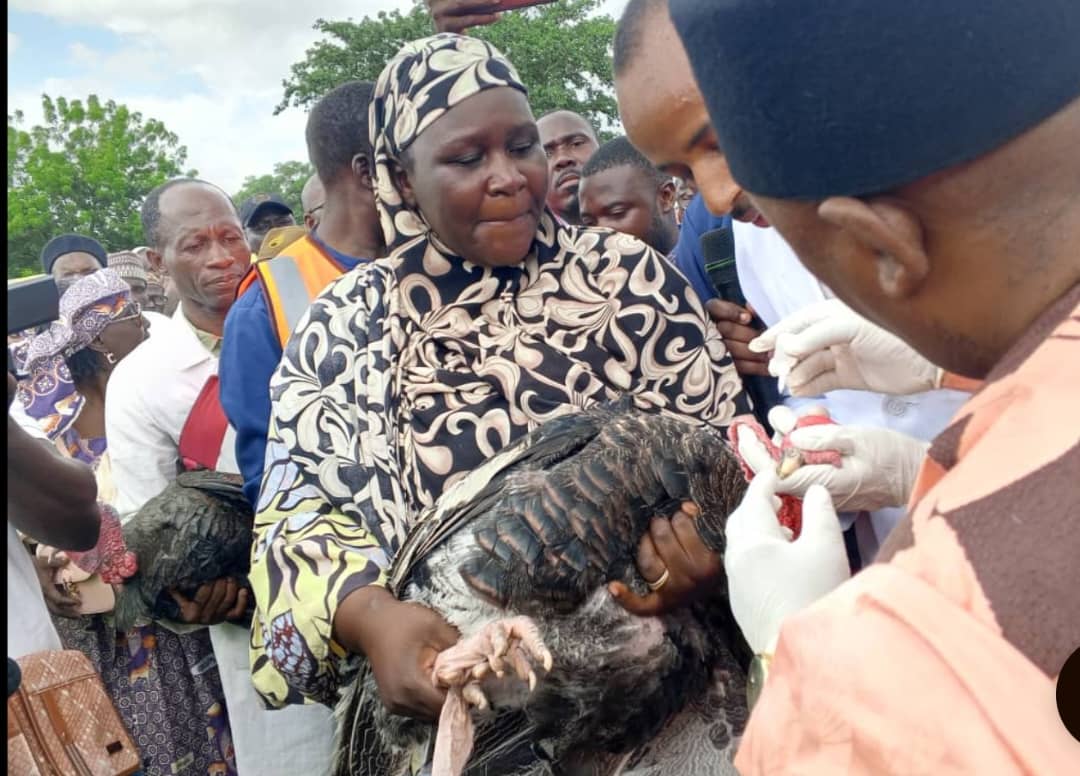
Faced with the increasing number of epizootic outbreaks that threaten to decimate entire herds, veterinary services have launched a race against time to protect the national livestock.
In the savannas of the Adamawa Region, as in the verdant pastures of the West, a race against time has begun. With epizootic diseases threatening to decimate entire herds, wiping out years of savings and hard work, Cameroonian veterinary services are deploying a vast mass vaccination campaign. This strategy, recognized across the continent as the most effective defense against health crises, now constitutes the cornerstone of national food sovereignty. It is part of a rigorous prevention approach, where each dose of vaccine administered represents an investment in the future of livestock farming and the safety of the population.
The stakes are enormous. Cameroon’s livestock, estimated at several million head, represents both a vital source of protein for consumers and an economic asset for thousands of rural families. But this wealth is constantly threatened by a host of formidable diseases that know no borders. Contagious bovine pleuropneumonia, lumpy skin disease, and foot-and-mouth disease strike cattle with devastating force, while peste des petits ruminants (PPR) and pasteurellosis decimate sheep and goat herds. In poultry yards, Newcastle disease and fowlpox threaten birds, not to mention rabies, this deadly zoonotic disease that serves as a stark reminder that animal health is inextricably linked to human health. Faced with this multi-sectoral threat, the Cameroonian government has placed vaccination at the heart of its animal health policy, imitating large-scale initiatives seen elsewhere on the continent, such as Mali which recently targeted 83 million head of cattle, or the emergency responses deployed by South Africa in response to foot-and-mouth disease.
The success of these mass vaccination campaigns relies on meticulous planning and flawless logistics. It all begins upstream, with a precise needs assessment based on general livestock censuses, which determine the exact number of doses required. Vaccine procurement is then handled through a centralized order placed with certified laboratories, such as the Onderstepoort Vaccine Bank in South Africa or other leading international institutions. However, the most formidable challenge remains maintaining the cold chain, as these biological products are extremely fragile. From solar-powered refrigerators and portable freezers to insulated coolers, a comprehensive cold chain network is deployed, reaching even the most remote areas of the country to guarantee the vaccines’ effectiveness at the time of administration.
To encourage participation from livestock farmers, who are often reluctant to subject their animals to injections, the program includes strong financial incentives. The government provides either free vaccinations or substantial subsidies, often
covering 70% of the actual costs, to remove economic barriers. This approach is all the more effective because it systematically combines vaccination with free deworming campaigns, a technical procedure that, by strengthening the overall immunity of the herd, maximizes the benefits of the operation in the eyes of the farmers.
On the ground, motorized teams patrol rural tracks, mobilizing both private veterinarians and public technical agents. Holding corridors are set up near watering points and transhumance routes, transforming these transit areas into veritable vaccination parks where herds are gathered for rapid and effective intervention. But no technical system can be fully operational without the support of local communities. Traditional chiefs, livestock cooperatives, and local radio stations are closely involved in the awareness-raising phase, playing a crucial role in overcoming resistance and ensuring the beneficiaries take ownership of the program. Each vaccinated animal undergoes rigorous identification and tagging, allowing for precise epidemiological monitoring and traceability essential to the credibility of future campaigns.
Mass vaccination is not an end in itself, but an essential component of a broader public health policy. By protecting livestock, it safeguards farmers’ incomes, ensures food security for consumers, and strengthens Cameroon’s capacity to export its animal products to international markets. In a global context marked by a resurgence of epizootic diseases and a contraction of international funding, investment in disease prevention is a crucial strategic choice to guarantee the resilience of the agricultural sector and the country’s food sovereignty.