As Cameroon launched its first Open Days on Malaria, Tuberculosis and HIV/AIDS on June 18, 2026 at the Cameroon Red Cross ceremonial hall in Yaounde, health authorities and partners called for stronger accountability and domestic financing to sustain progress against the three diseases and keep elimination efforts on track.
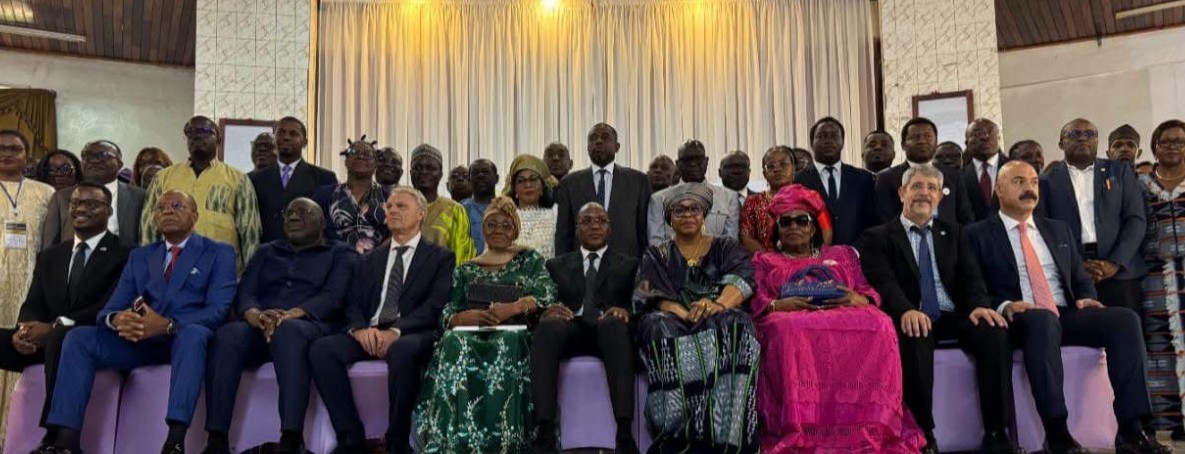
Officials, partners and stakeholders await the launch of the first Open screening Days on Malaria, Tuberculosis and HIV/AIDS at the Cameroon Red Cross ceremonial hall in Yaoundé, highlighting efforts to strengthen, prevention and accountability in the fight against the three diseases.
The fight against malaria, tuberculosis and HIV/AIDS in Cameroon has reached a decisive turning point. While the country has recorded significant progress against the three diseases over the past decade, health authorities and partners are now facing a new challenge: sustaining these gains in a context of shrinking international funding.
This concern was at the heart of the first Open Days on Malaria, Tuberculosis and HIV/AIDS, officially launched on Thursday, June 18, 2026, by the Minister of Public Health, Dr Manaouda Malachie, in the presence of government officials, diplomats, development partners and civil society representatives.
More than a platform for awareness raising, the event seeks to bring health services closer to communities, promote screening, fight stigma and strengthen accountability in the management of resources dedicated to the three diseases.
Speaking at the opening ceremony, the Minister highlighted encouraging results achieved by Cameroon in recent years. National HIV prevalence has fallen from 4.3 percent in 2011 to 2.6 percent today, while tuberculosis treatment success rates have reached nearly 90 percent. Malaria-related deaths have also declined significantly thanks to intensified prevention and treatment efforts.
Yet, despite these achievements, the battle is far from over. Thousands of new infections continue to occur, and women, children and young people remain among the most vulnerable groups. Regional disparities also persist, with HIV prevalence remaining particularly high in the Centre, South and North-West regions.
For health authorities, preserving hard-won gains will require a stronger national commitment. Dr Manaouda Malachie stressed the need to gradually increase domestic financing, improve spending efficiency and involve local authorities and the private sector more actively in health programs.
“The future of disease elimination depends on performance and accountability,” was the message echoed throughout the discussions.
Representing the World Health Organization, the WHO Resident Representative in Cameroon, Dr Magaran Bagayoko, praised the country’s progress in expanding access to treatment, improving tuberculosis detection and advancing toward global HIV targets. However, he warned that many people still do not know their HIV
status, some tuberculosis cases remain undiagnosed and preventable malaria deaths continue to occur.
According to him, the next phase of the response must focus on equity, health-system performance and transparent use of resources. He also pointed to new opportunities, including innovative prevention tools, rapid diagnostics and the introduction of the malaria vaccine into Cameroon’s routine immunization program.
The issue of financing also featured prominently in exchanges with development partners. Christophe Vanhecke, Regional Health Adviser at the French Embassy, reaffirmed France’s commitment to supporting the Global Fund’s fight against the three diseases, despite a challenging international context.
As participants move through days of discussions, screening activities and community engagement, the message is clear: eliminating malaria, tuberculosis and HIV is no longer solely a medical challenge. It is increasingly a question of collective responsibility, sustainable investment and the ability to transform resources into measurable results for the populations most at risk.