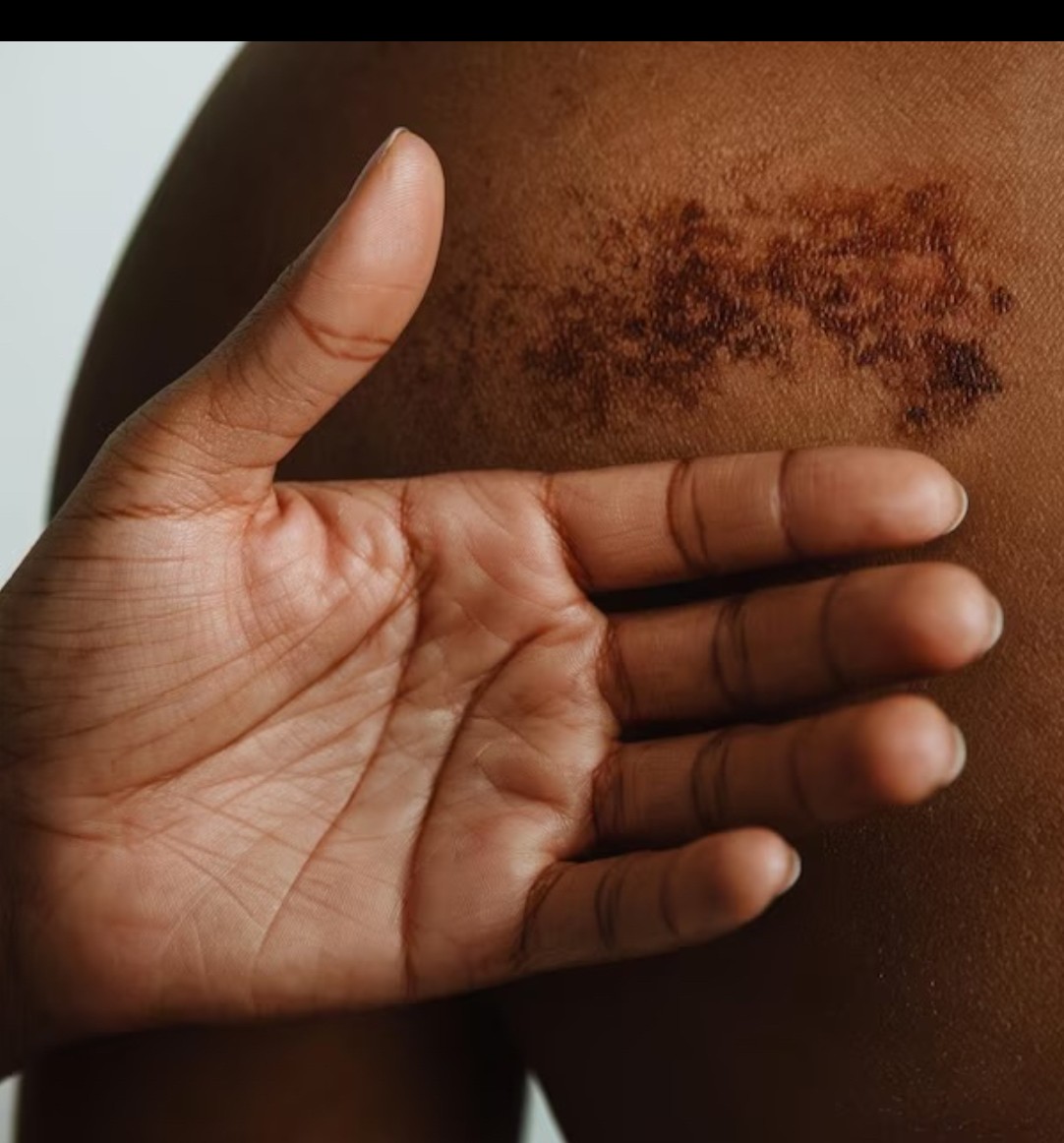
In the event of a minor burn, a few simple actions; cooling, protecting and monitoring, are often enough to reduce pain and prevent infection.
Light burns are among the most common household injuries. Quick first aid; cooling, protecting, and monitoring the affected area, can ease pain, prevent infection, and support faster healing.
A splash of hot oil, brief contact with a hot plate, or an overturned pot; superficial burns are among the most common household accidents. While most are not life-threatening, poor first-aid responses can worsen the injury, delay healing, and increase the risk of infection. Here are the simple and effective steps to know in order to respond properly.
Cool the burn immediately
The first and most important action is immediate: cool the burned area under lukewarm to cool running water (not ice-cold) for 10 to 20 minutes. Rapid rinsing stops the burning process, eases pain, and limits tissue damage. If running water is not available, a clean cloth soaked in cool water can be used. Avoid applying ice directly to the skin, as extreme cold may further damage tissues.
Remove jewelry and tight objects carefully
Before swelling begins, quickly remove bracelets, watches, or rings near the burned area. However, do not pull off clothing stuck to the skin, as this may tear underlying tissue. If necessary, cut around the clothing and leave the rest in place for medical care.
Properly protect the wound
After cooling, gently dry the area and cover it with a sterile non-adhesive dressing or a clean compress to protect it from friction and dirt. Do not apply greasy substances (butter, oils) or traditional remedies, as they trap heat and increase the
risk of infection. Medicinal creams should only be used on medical advice.
Manage pain and monitor progress
Over-the-counter painkillers, taken according to recommended doses, can help relieve pain. Small blisters may appear: do not pop them, as they protect the healing skin. Superficial burns usually heal within one to two weeks. Stay alert: spreading redness, swelling, pus, persistent pain, or fever are signs of infection and require medical attention.
When to seek medical care without delay
It is advisable to consult a healthcare professional if the burn covers an area larger than the victim’s palm, if it affects the face, hands, feet, major joints, or genitals, or if it results from electrical or chemical exposure. Deep burns, very painful burns, or those associated with smoke inhalation also require immediate medical attention. Also consider checking tetanus vaccination status if it is not up to date.
Prevention is better than cure
To reduce risks at home, adopt simple habits: handle hot pots and pans carefully, keep children away from the kitchen, use oven mitts, and cover cooking containers. Keeping a well-stocked first aid kit and knowing emergency numbers also strengthens prevention.
Knowing and applying these reflexes can often prevent complications and speed up recovery after a minor burn. When in doubt, it is always better to consult a professional: safety and health come first.