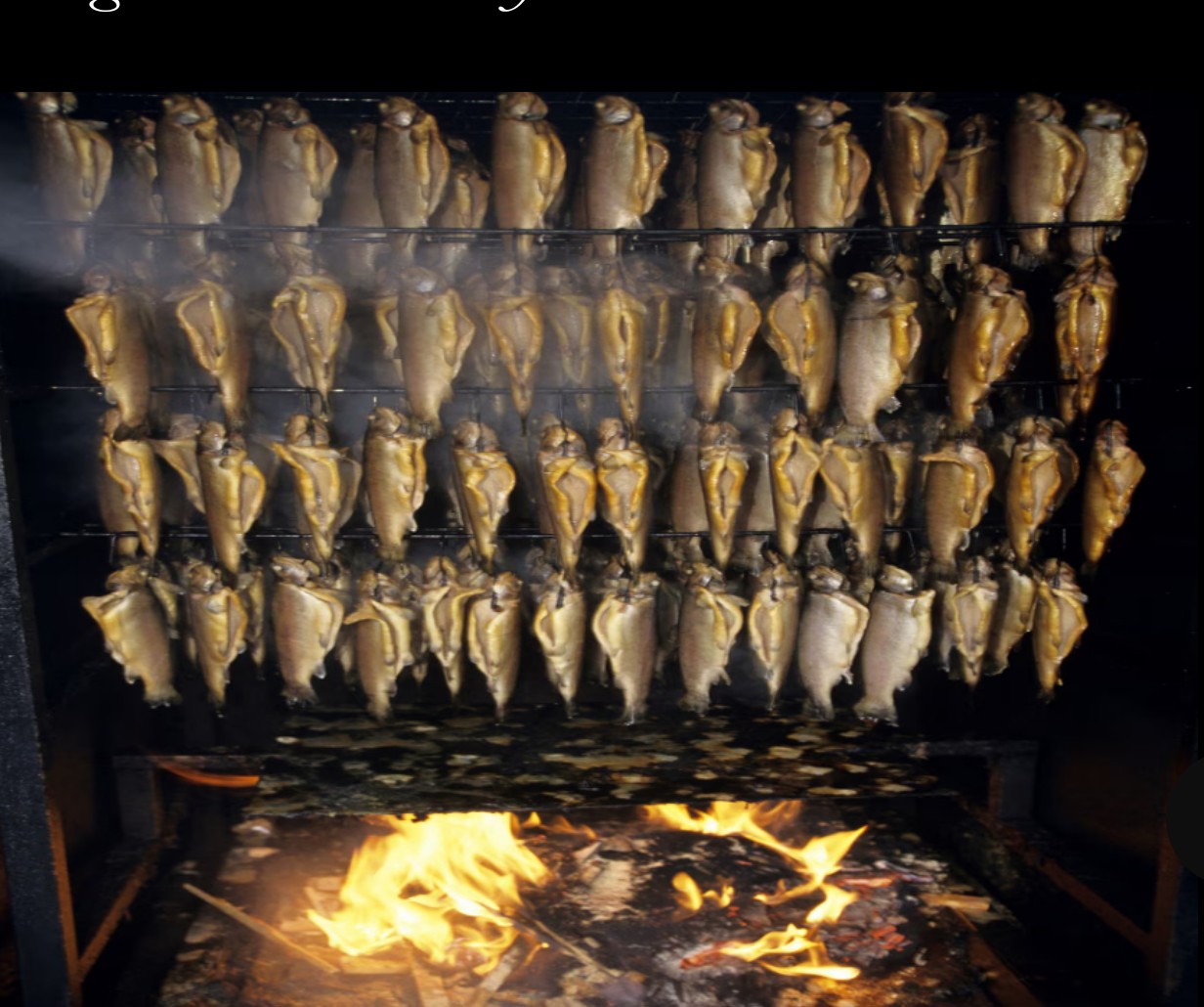
The intoxicating aroma of smoked fish, wafting through markets and along riverbanks, is one of the sensory treasures of African cuisines. Yet, behind this age-old scent lie very real threats.
The heady aroma rising from the smokehouses along the riverbank or in the back alleys of markets is one of the most evocative scents of African cuisine. It speaks of centuries of know-how, of intergenerational transmission, and of the appreciation of the catch. But behind this bluish smoke that caresses the nostrils lie health realities that are too often ignored. Smoking fish, if done carelessly, can transform a delicate food into a vector of respiratory illnesses or an incubator for bacteria like Listeria. At a time when consumers are increasingly demanding about the quality of their food, it is crucial to remember that this ancestral preservation technique, combining dehydration and the impregnation of flavorings, is governed by precise rules that affect the health of both producers and consumers.Smoking methods fall into two main categories, each with its own specific characteristics and precautions. Cold smoking, carried out at temperatures not exceeding 30 degrees Celsius, delicately flavors the fish without cooking it, thus preserving its texture. This process requires rigorous pre-salting and necessitates that the finished product be kept refrigerated to prevent bacterial growth. Conversely, hot smoking, between 60 and 100 degrees Celsius, simultaneously cooks and smokes the fish, allowing for longer preservation without the need for immediate refrigeration—a boon for regions with unreliable electricity. But regardless of the technique used, one principle remains paramount: only impeccably fresh fish, gutted and washed with potable water, can be subjected to this treatment. Salting, whether dry or in brine, sometimes enhanced with a touch of sugar or lemon juice, remains the only recommended natural preparation. Any attempt to add chemical preservatives or artificial colors is to be avoided.The choice of fuel is perhaps the most overlooked step, yet one with the most far-reaching consequences. Non-resinous woods, such as beech, fruitwood chips, or coconut shells, are the only ones that produce aromatic and healthy smoke. Unfortunately, it’s common to see impromptu smokers burning plastics, used fabrics, or treated wood to accelerate the blackening of the fish and give it that smoky appearance in just a few hours. These practices are dangerous because they release highly carcinogenic toxins, including the infamous Polycyclic Aromatic Hydrocarbons (PAHs), which become embedded in the fish’s flesh and seriously threaten consumers’ health. But the danger isn’t limited to what’s on the plate. Those operating the smoker, exposed for hours to the smoke, inhale fine particles and toxic compounds like tar and benzopyrene. Without adequate ventilation, his respiratory system wears out prematurely, opening the door to chronic asthma, bronchitis, and severe ENT conditions.Solutions exist to combine flavor and safety. Creating a well-ventilated workspace, installing modern smokehouses equipped with exhaust chimneys, and wearing protective masks during intense combustion phases are modest investments compared to the health benefits. Consumers can choose products from controlled supply chains and learn to identify healthy smoked fish: a natural color, a strong wood aroma, and firm flesh are the best indicators of responsible production. Smoking fish doesn’t have to be risky; it can remain what it has always been: a culinary art that honors seafood and human ingenuity.