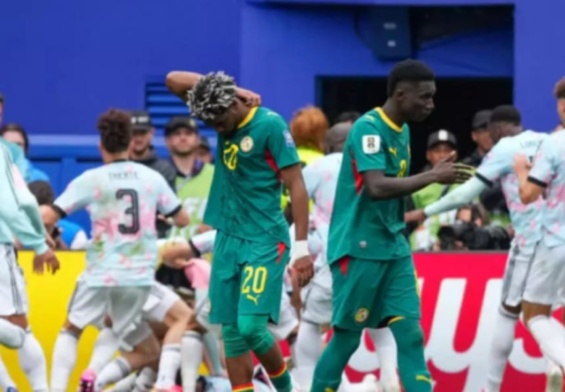
As the 2026 World Cup unfolds, an invisible yet devastating crisis is shaking the tournament’s inner workings. Behind the spectacle and sporting achievements, systemic racism, amplified by the echo chamber of social media, inflicts profound psychological trauma on athletes.
Racism at the heart of the provocation during the World Cup.
It is the best-kept and most destructive secret of modern football. Behind the smiles and fervor of North American stadiums, many players are competing in this 2026 World Cup with fear in their hearts. Not the fear of missing a penalty or being eliminated, but the fear of becoming the next target of a racist mob. The figures published by FIFA and the global players’ union (FIFPro) immediately after the group stage are chilling: more than 89,000 abusive messages were detected on digital platforms, a 1,300% increase compared to the 2022 edition. Among them, more than one in ten was purely racist.
The mental burden of « double performance »
For players from minority backgrounds, the competition takes on a doubly demanding dimension, forcing them to play not only for their country, but also to defend their fundamental right to be respected as human beings. When an athlete makes a technical error, like the Dutch players who were viciously targeted after their penalty shootout elimination, sporting criticism instantly gives way to the most blatant dehumanization. Footballers operate under a constant sword of Damocles, where the slightest misstep on the pitch directly threatens their dignity, integrity, and emotional security, creating unbearable psychological pressure akin to institutionalized harassment on a global scale.
Anxiety, insomnia, and forced disconnection
Clinically, the impact of this continuous hostility is severe, keeping players’ nervous systems in a state of constant hypervigilance that destroys their personal equilibrium. This chronic stress manifests as acute sleep disturbances in the lead-up to crucial matches, a sudden loss of self-confidence that impairs technical skills on the field, and a profound sense of isolation where the athlete finds themselves
alone, facing the hatred on their screen despite the collective support of their national team. To survive this ordeal psychologically, players erect barriers by choosing total digital disconnection, thus depriving themselves of the support of their loved ones to protect themselves, while others develop exhausting dissociation mechanisms to separate the human being from the footballer.
Towards a mandatory awareness
FIFPro firmly reiterates that national pressure should never be exerted at the expense of the mental health and safety of professional footballers. Faced with the urgency of the situation, FIFA has implemented its « No Racism » protocol, allowing players to cross their wrists to stop a match in the event of abuse, but while this gesture gives victims a semblance of control, it does not heal the invisible wounds caused by online harassment. This 2026 World Cup will have definitively proven that racism is no longer just background noise in stadiums, but a major factor in psychological exhaustion and depression that undermines sporting fairness, demanding immediate legal and technological sanctions before this scourge definitively breaks the world’s greatest football talents.