The Association of Students of the Faculty of Medicine and Biomedical Sciences of the University of Garoua launched on August 11 an integrated community health campaign which offers free consultations, screenings and care to the populations of Pitoa, before a second stage in Guider.
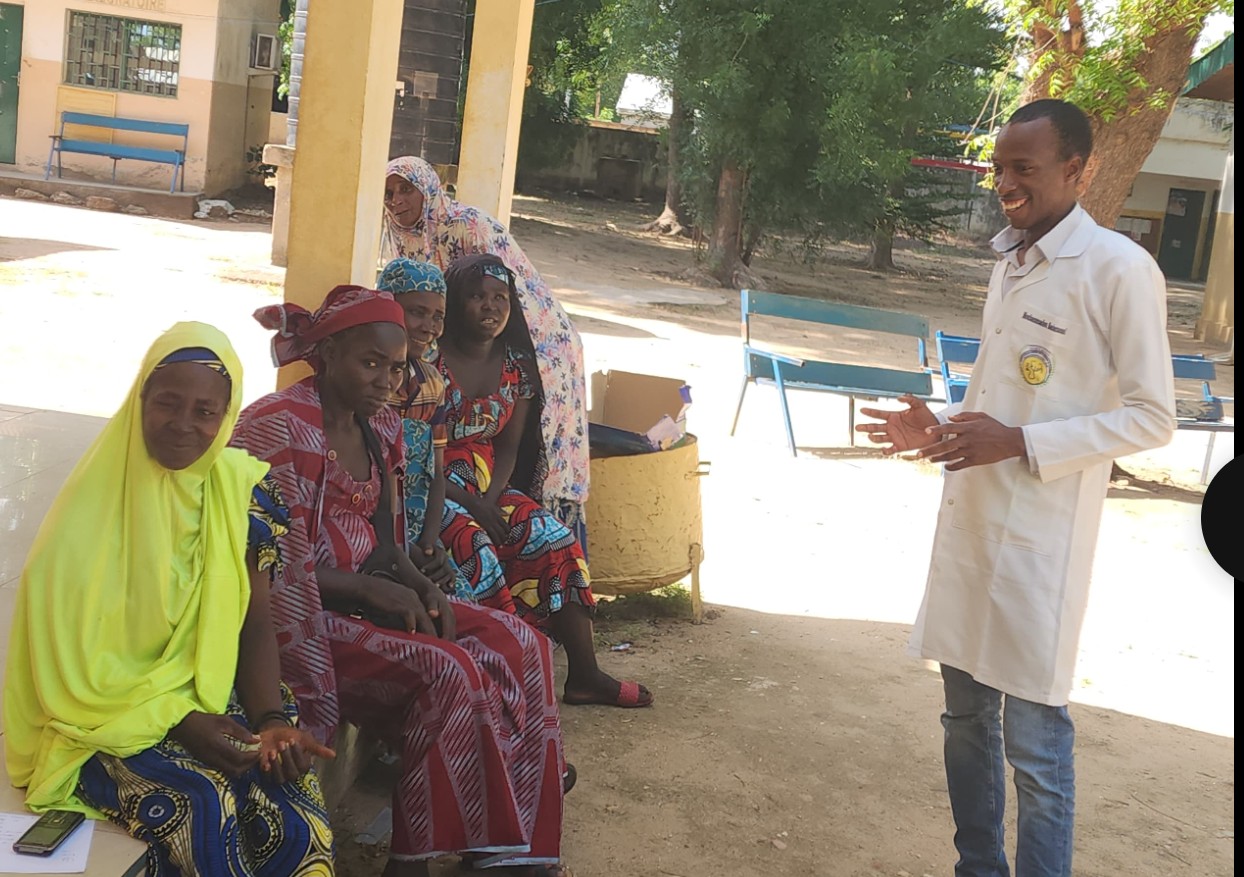
A steady stream of patients passed through the Pitoa District Hospital on Tuesday, August 11, 2026. From the early hours of the morning, the corridors and specially prepared areas gradually filled up. Patients received consultations, screenings, or simply health advice. This mobilization was initiated by the student association of the Faculty of Medicine and Biomedical Sciences at the University of Garoua, which had just launched an integrated community health campaign in the Pitoa area.
The initiative, conducted in collaboration with the district hospital, takes place over two days. It is a first for this student association, which aims to put the skills acquired in the classroom to use for the benefit of the community. For the organizers, the goal is both to provide a timely response to the healthcare needs of the communities and to bring future healthcare professionals closer to the realities on the ground.
During these two days, the people of Pitoa have access to a range of medical services. Medical consultations play a central role in the program. They allow patients to have their health assessed and, when necessary, to be referred for appropriate care. The campaign also places significant emphasis on prevention. Free screenings for cervical and breast cancer are offered to women. This initiative aims to promote the early detection of these diseases and encourage the population to adopt a preventative approach to illness.
Other examinations are also on the agenda. Participants can benefit from rapid diagnostic tests for malaria, as well as screenings for hepatitis and HIV. Through
these various services, the students and the professionals who accompany them aim to provide communities with access to multiple health services in one location. However, care does not stop at screening. The campaign also includes minor surgical procedures, medication distribution, and pharmaceutical advice. Awareness sessions are also organized to provide communities with useful information on disease prevention, accessing healthcare, and good health practices.
Although the initiative is led by medical students, it does not take place outside the professional medical framework. The various activities are supervised by healthcare professionals. Doctors, nurses, and other staff working alongside the students ensure the smooth running of consultations and examinations. The objective is therefore not only to interact with patients, but also to gain a better understanding of the realities they will face in their future professional practice.
For this first day, the community mobilization was strong. However, the mobilization didn’t end in Pitoa. After the two days spent in Pitoa, the team headed to the town of Guider. The second phase of this campaign is scheduled for August 13th and 14th, 2026, at the Guider Regional Annex Hospital.
Reaction: « The first objective is educational. »
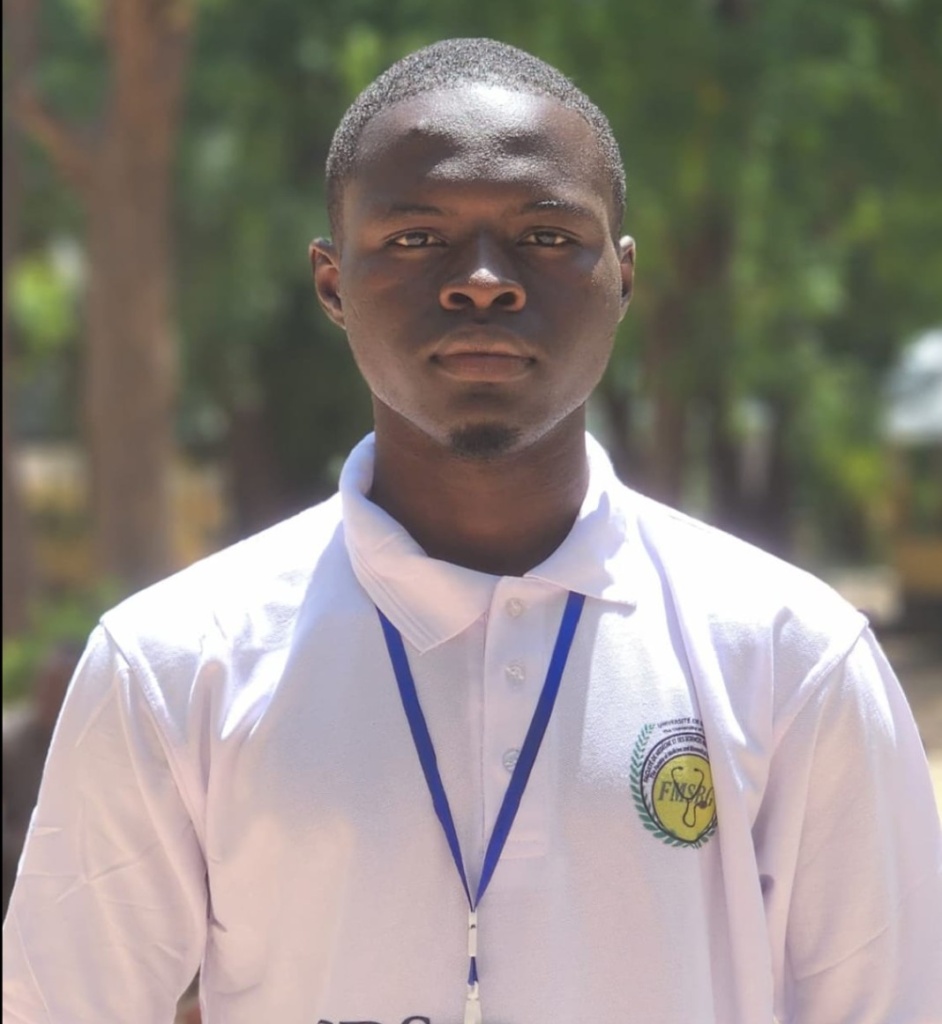
The primary motivation is above all educational. As medical students, we need to apply our theoretical knowledge to real-world situations. This campaign therefore represents a genuine opportunity for practical learning. It allows us, the students, to participate in consultations, screening activities such as for breast and cervical cancer, awareness campaigns, and the care of the population.
It’s important to note that the choice of Pitoa and Guider was not at all arbitrary. We felt it was crucial to begin with nearby communities to ensure a local approach while guaranteeing high-quality organization and support. We also wanted this campaign to be complementary. Last year, other organizations, including L’Espoir Médical du Septentrion, of which we are also members, had already organized health campaigns in Poli and Lagdo. Rather than replicating these same initiatives in the same locations, we chose to reach out to other communities. Our ambition is to gradually build a campaign that can reach more communities in the north with each subsequent edition. In short, we wanted to prioritize proximity, complementarity, and above all, impact, while making this first edition a valuable experience for both the students and the local population.
The first objective is educational. As future doctors, we want to enable students to complement their academic training with practical experience in direct contact with the population under the supervision of healthcare professionals. This immersion is essential for developing our clinical skills, our listening skills, and our approach to community medicine. The second objective is health and social. Through this campaign, we want to contribute to improving access to healthcare for the populations of Pitoa and Guider by offering all the aforementioned services free of charge. Finally, we want to strengthen the link between the university and the
communities by demonstrating that a medical school not only trains healthcare professionals but also participates in improving the health of the population through concrete actions.