The field results published by theeThe United Nations Population Fund (UNFPA) reports 11,546 health consultations, 100% of births assisted by qualified personnel, and support for 3,904 survivors of gender-based violence.
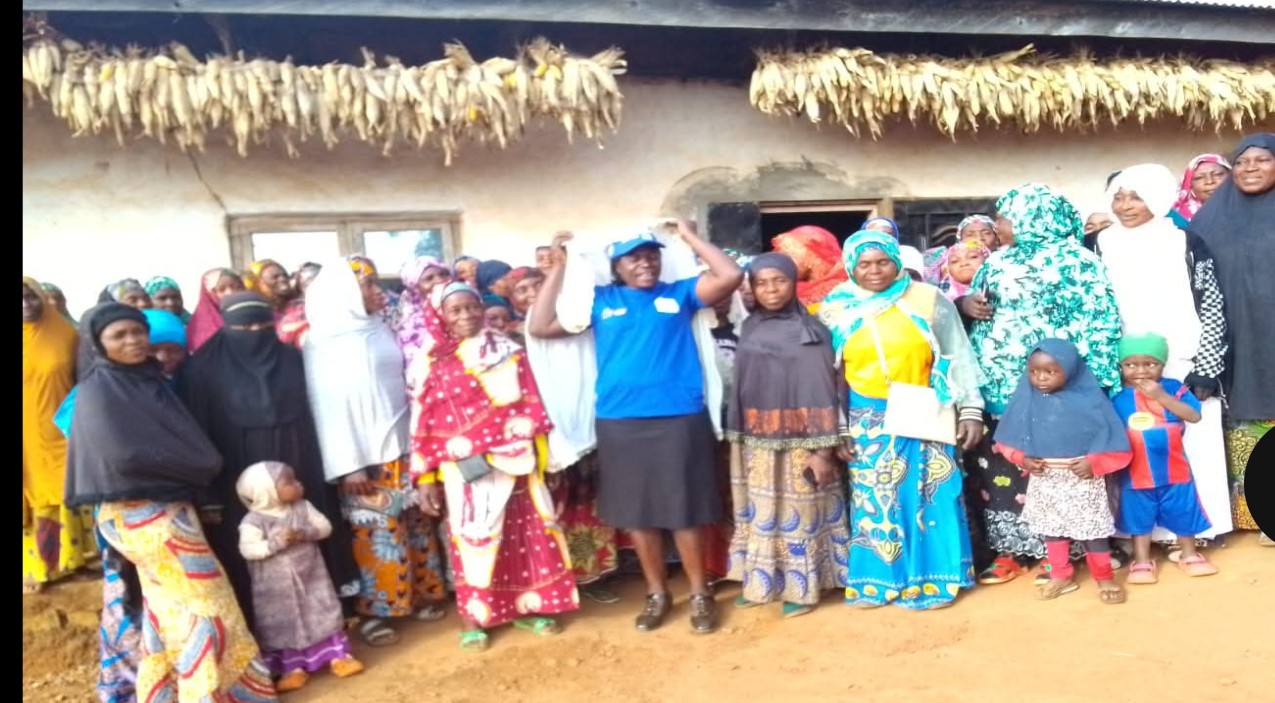
Behind every statistic lies a face, a story of resilience, and a hard-won dignity. In the heart of the Northwest and Southwest regions, the scene of complex humanitarian crises and mass displacement, UNFPA, in close collaboration with the Government of Cameroon, is no longer simply addressing the immediate needs. It is patiently weaving the fabric of a lasting recovery. Proof of this lies in the recent impact milestones consolidated during an official field mission: far from being mere cold indicators, these data paint a comprehensive picture that is concrete, human, and resolutely promising for vulnerable communities, particularly women of reproductive age and young people.
Regarding the central pillar of maternal and child health, the indicators are particularly striking. No fewer than 11,546 health consultations were conducted for the benefit of internally displaced persons and host communities. This remarkable result is the fruit of the tireless work and mobility of 10 dedicated midwives and 10 young peer educators, who act as forward sentinels in the field, reaching out to people in the most remote areas where access to healthcare remains limited.
At the same time, UNFPA welcomes the achievement of a crucial strategic objective: 100% of births now take place with the assistance of skilled personnel in health facilities supported by the UN agency. This rate of births assisted by competent personnel significantly reduces the risks of maternal and neonatal
mortality, thus providing a safer environment for the birth of newborns, even in crisis situations.
During the official field mission, UNFPA Acting Representative Samuel Kissi powerfully embodied this dynamic of proximity and humanity. In Bamenda, he celebrated the birth of healthy triplets, a radiant symbol of life and hope despite the adversity and pervasive insecurity plaguing the region. Further on, in Buea, his meeting with Lambi Angela, a displaced artisan patiently rebuilding her economic independence through UNFPA-initiated recovery programs, illustrated the unwavering resilience of the population in the face of the trauma of displacement. “Empowering vulnerable youth and women to make informed and autonomous choices about their health and lives is a crucial humanitarian and development imperative,” emphasized Samuel Kissi. He added, “Consistent and sustained support transforms the challenges of displacement into tangible opportunities for restored dignity and successful socio-economic reintegration.
By linking immediate emergency assistance to strategic succession planning, UNFPA and its partners are strengthening local health systems and community-based mechanisms. This is not merely a circumstantial response to the crisis, but a genuine investment in resilient futures, in line with the priorities and roadmap of the Cameroonian government. The objective is clear: to ensure that no one, especially the most vulnerable, is left behind in Cameroon’s journey towards health and social development.