

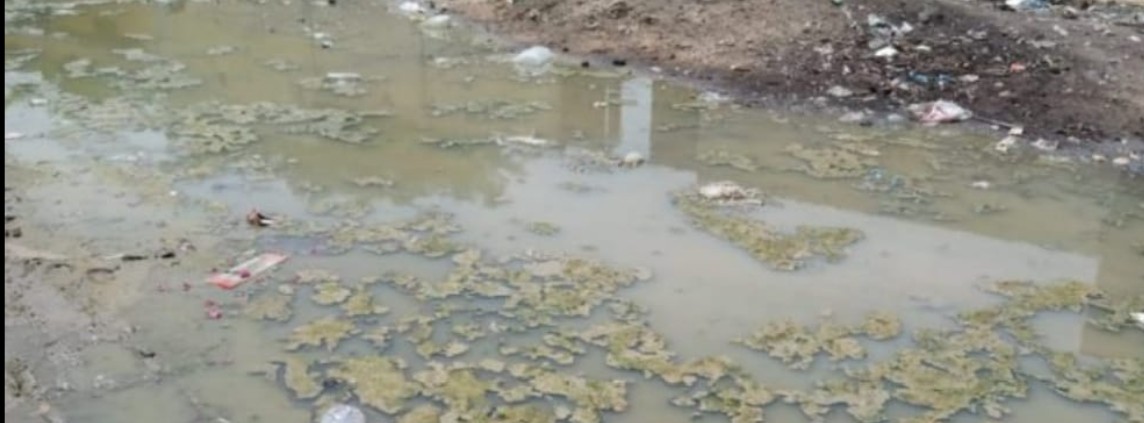
With the rainy season, stagnant water increases around homes in the northern region and creates an environment conducive to various diseases.
In several localities in the northern region, the rainy season is not just about the return of cooler weather and the regeneration of pastures. It also brings with it a recurring phenomenon: the formation of numerous pockets of stagnant water. Along roadsides, in neighborhoods, around houses, and in public spaces, this water sometimes persists for several days. Over time, it becomes laden with waste, mud, and organic matter, thus becoming veritable breeding grounds for nuisances and health risks.
The phenomenon is particularly visible in areas where natural drainage is impaired. The terrain, the condition of roads, and inadequate sanitation systems all contribute to rainwater retention. In some places, depressions in the ground turn into small pools. As this water stagnates, it loses its initially clear appearance and becomes murky, foul-smelling, and heavily polluted.
One of the main risks associated with stagnant water remains the proliferation of mosquitoes. These insects find a favorable environment for reproduction in small bodies of water. The problem is all the more concerning in a region where malaria remains a significant threat to public health. Ponds, puddles, and other abandoned water reservoirs thus become breeding grounds for mosquitoes. Their proliferation increases the risk of contact between these vectors and the population.
Children are among the most vulnerable populations. Simply for fun, some don’t hesitate to walk, play, or wade in these waters. This behavior can expose them to highly contaminated water. The danger is even greater when children have cuts or skin lesions.
Beyond malaria, stagnant water promotes exposure to various pathogens. When mixed with household waste, sewage, or animal excrement, it becomes particularly unsanitary. Skin conditions are among the problems likely to occur. People who regularly come into contact with polluted water are at risk of skin irritations and infections. The risk is especially high for children, whose play often takes them near puddles and ponds. The presence of frogs, often observed around these bodies of water, illustrates the establishment of a small ecosystem.
Interview : « The first risk…concerns the proliferation of mosquitoes »

What are the main health risks associated with the presence of stagnant and polluted water in neighborhoods and public spaces?
It must be said that during the rainy season, particularly in the northern region and in certain urban areas, these zones can face drainage problems, leading to stagnant water. Stagnant, polluted water poses a significant health risk, creating environments conducive to the proliferation of numerous pathogens and disease vectors.
So, regarding this issue, the primary risk associated with stagnant water is the proliferation of mosquitoes, particularly those that transmit malaria. Stagnant water
provides ideal conditions for egg-laying and larval development, thus increasing the risk of transmission within neighborhoods. This water can also be contaminated by waste, excrement, domestic wastewater, or decomposing organic matter. They therefore become potential sources of contamination for the population, particularly when residents come into direct contact with this water, or when it contaminates water sources intended for domestic use. Beyond these infections, this unsanitary water also promotes the proliferation of flies, cockroaches, and other pests that can contribute to the transmission of germs responsible for infections.
What diseases can be promoted by these unsanitary waters, particularly in children and vulnerable people?
Stagnant and polluted water can promote several diseases, including the first shock of thread, malaria, which remains one of the main concerns during the rainy season, due to the proliferation of mosquitoes. Secondly, diarrheal diseases, such as gastroenteritis and infectious diarrhea, can occur, often linked to the consumption of contaminated water or contact with soiled surfaces. Typhoid fever, another common illness, is often contracted through the ingestion of water or food contaminated with bacteria. Certain intestinal parasitic infections, particularly in children exposed to contaminated water and other contaminated sources, are also prevalent. We cannot conclude this list without mentioning skin infections, which can also occur after prolonged contact with dirty water containing microorganisms. Furthermore, and this is important to emphasize, children are particularly vulnerable because they often play outdoors and sometimes engage in behaviors that increase exposure. This includes mouth contact, playing in puddles, and their still-developing immune systems, which further expose them to these risks. The second age group that is most vulnerable is the elderly. Pregnant women, people living with certain chronic illnesses, or those with weakened immune systems are also more exposed to complications related to these infections.
What simple measures can individuals and communities take to limit the risks associated with stagnant and polluted water?
The best way remains prevention. Prevention relies primarily on simple but regular actions involving both individuals and communities. At the individual and family level, it is essential to avoid throwing waste into gutters and public spaces, keep the areas around homes clean and clear, eliminate or cover containers that can hold water, such as jerrycans, used tires, basins, boxes, or bottles, use insecticide-treated
mosquito nets and take mosquito repellent, consume clean water and practice good hygiene, wash hands regularly, wear protective equipment, carry hand sanitizer, and thoroughly wash and clean food before eating it. At the community and institutional level, better maintenance of gutters and stormwater drainage systems can be ensured, regular community clean-up operations can be organized, public awareness campaigns can be conducted on the risks associated with waste and stagnant water, and finally, household waste management can be improved. It is important to remember that combating diseases linked to unsanitary conditions is a collective responsibility. Individual behaviors combined with community efforts can significantly reduce health risks, particularly during periods of heavy rainfall.

