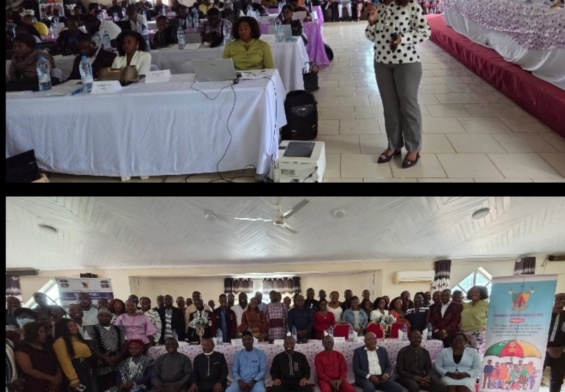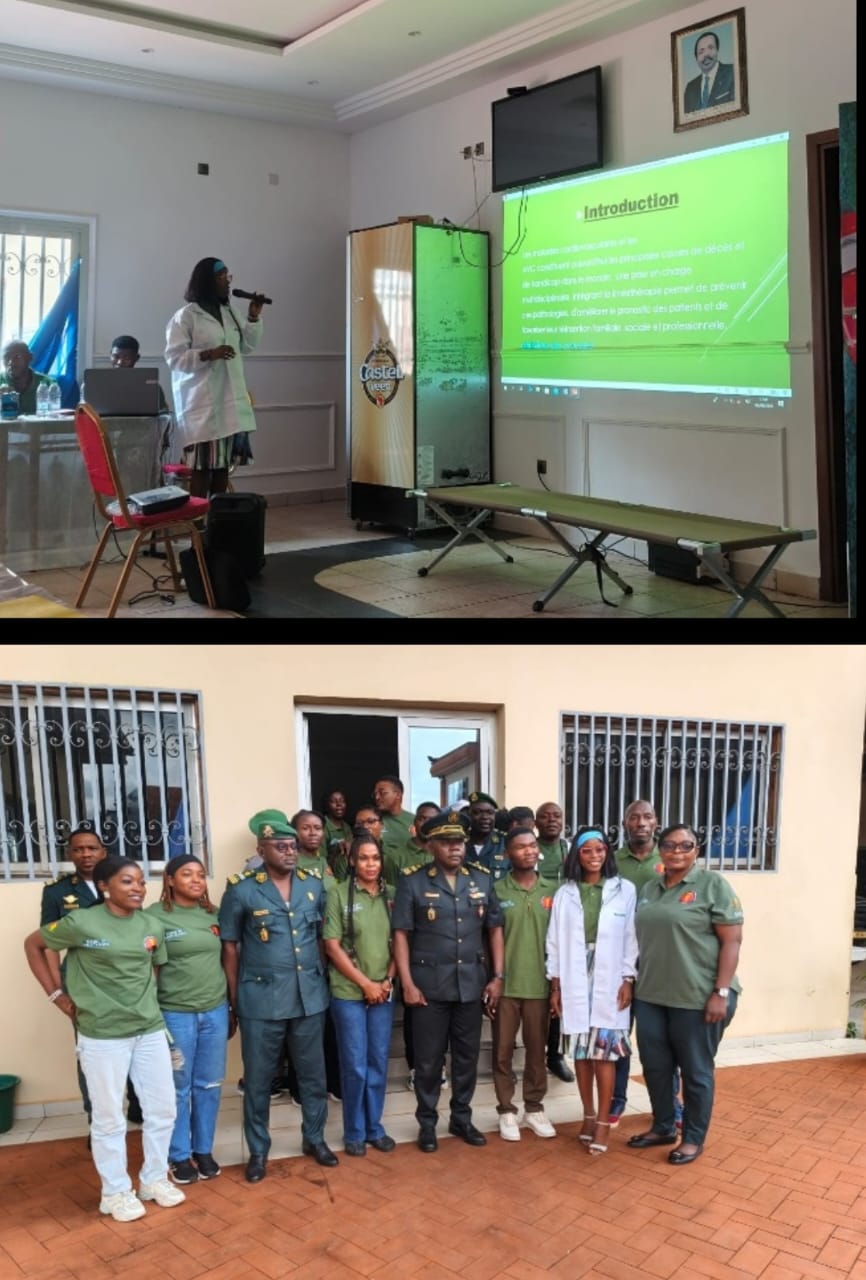
In celebrating International Physiotherapy Day on September 9, 2026, the Military Medical Center of the Army Staff (EMAT) in Yaoundé emphasized the prevention and rehabilitation of strokes and cardiovascular diseases. Through screenings and conferences, experts reiterated the importance of early intervention.
On the occasion of International Physiotherapy Day, celebrated on Tuesday, September 9, 2026, the Army Medical Center of the Army Headquarters (EMAT) in Yaoundé was abuzz with a large-scale scientific and medical mobilization. The program for this special day included free consultations, cardiovascular screenings, and public lectures. Marked by the presence of high-ranking army officials, notably Colonel Foumane, this event highlighted a theme of vital importance: « Physiotherapy in the prevention, management, and rehabilitation of cardiovascular diseases and strokes. »
In a global and national epidemiological context marked by the rise of non-communicable diseases, the choice of this theme is a clear public health priority. Long perceived as simply a discipline of massage or sports traumatology, physiotherapy is now establishing itself as an essential and vital component of the comprehensive management of cardiovascular diseases and strokes.
An enlightening exchange focused on prevention and risk factors
Structured around four main themes, the conference allowed practitioners from the CMM of the EMAT to deliver a comprehensive and accessible presentation to the large audience. Prisca Meten, a physiotherapist, opened the discussion by analyzing cardiovascular risk factors. She began by highlighting the existence of non-modifiable factors such as age (the physiological decline beginning around 55-60 years), sex, family history, and sickle cell disease, whose sickle-shaped red blood cells strongly predispose individuals to strokes.
The emphasis was primarily placed on modifiable risk factors, on which citizens can and should act: high blood pressure, diabetes, obesity, alcoholism, smoking, and stress. Prisca Meten strongly warned against a sedentary lifestyle, too often mistakenly confused with exercise: “A sedentary lifestyle is the poor distribution of physical activity over 24 hours. You can’t compensate for a week of sitting still at the office with two hours of intense exercise on Sunday. The body needs daily movement to eliminate metabolic waste.”
Warning signs, the FAST protocol, and early rehabilitation
Knowing how to recognize pathognomic signs is the second pillar of awareness. Compressive chest pain in the precordial region, edema of the lower limbs, cyanosis, or abnormal shortness of breath should prompt immediate medical attention. For stroke, characterized by its sudden onset (aphasia, paralysis, visual disturbances), the speakers explained the use of the international FAST protocol: Face (facial drooping), Arm (arm or leg weakness), Speech (speech slur), and Time (immediate urgency to call emergency services).
Speaking next, physiotherapist Odilon Mbock detailed the multidisciplinary approach involving cardiologists, neurologists, nurses, and rehabilitation specialists. Functional rehabilitation is structured around three specific phases: prevention of bed rest complications (4 to 10 days), improvement of exercise tolerance through progressive muscle strengthening, and finally, regaining independence and walking. The experts emphasized the crucial importance of early intervention within the first 30 days to maximize the benefits of brain plasticity.