Keeping yesterday’s food for another meal is a common way to avoid waste. But when a dish is left out for too long, poorly stored or reheated several times, it can become a food safety concern.
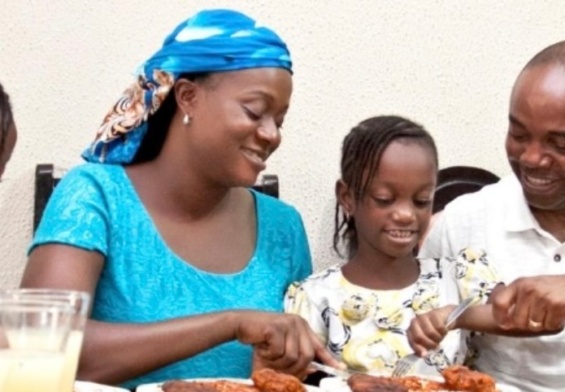
In many households, a pot of rice, beans, stew, pasta or meat may be prepared in large quantities and eaten over several meals. Reheating leftovers is not automatically dangerous. The real concern is how the food was handled between meals.
Time and temperature matter
Once cooked food begins to cool, it can become a favorable environment for bacteria if it remains for too long at room temperature. This is particularly relevant
in warm conditions, where microorganisms can multiply more rapidly.
Leaving a large pot of food on the kitchen counter for several hours before reheating it can therefore be risky. The same applies when food is repeatedly taken from the refrigerator, served, left outside and returned to storage.
For this reason, leftovers should be cooled and refrigerated promptly rather than being left at room temperature for long periods.
Is reheating several times itself dangerous?
Not necessarily. The main problem is repeated cycles of cooling and warming. Every time food is allowed to remain warm for an extended period, bacterial growth may become more likely.
Reheating also needs to be thorough. Food should be heated until it is steaming hot throughout, rather than simply warmed on the surface. Soups, sauces and stews should be stirred during reheating so that heat reaches the entire portion.
It is also preferable to reheat only the portion that will be eaten, rather than repeatedly heating the entire pot.
Some foods require extra care
Rice deserves special attention. Raw rice can contain Bacillus cereus spores, which can survive cooking. If cooked rice is then kept at room temperature for too long, bacteria can multiply and produce toxins. Reheating may kill some bacteria but does not necessarily destroy toxins that have already formed.
Meat, fish, eggs, milk-based dishes and cooked vegetables can also become unsafe when improperly handled or stored.
When should leftovers be discarded?
An unpleasant smell, unusual color, mold or a strange texture is an obvious warning sign, but food can sometimes contain harmful microorganisms without looking or smelling spoiled.
Therefore, tasting a suspicious dish to determine whether it is still safe is not a reliable test.
When there is uncertainty about how long food has been left unrefrigerated or whether it has been properly stored, throwing it away is safer than taking the risk.
The safer routine
The safe approach is simple: prepare reasonable quantities, avoid leaving cooked
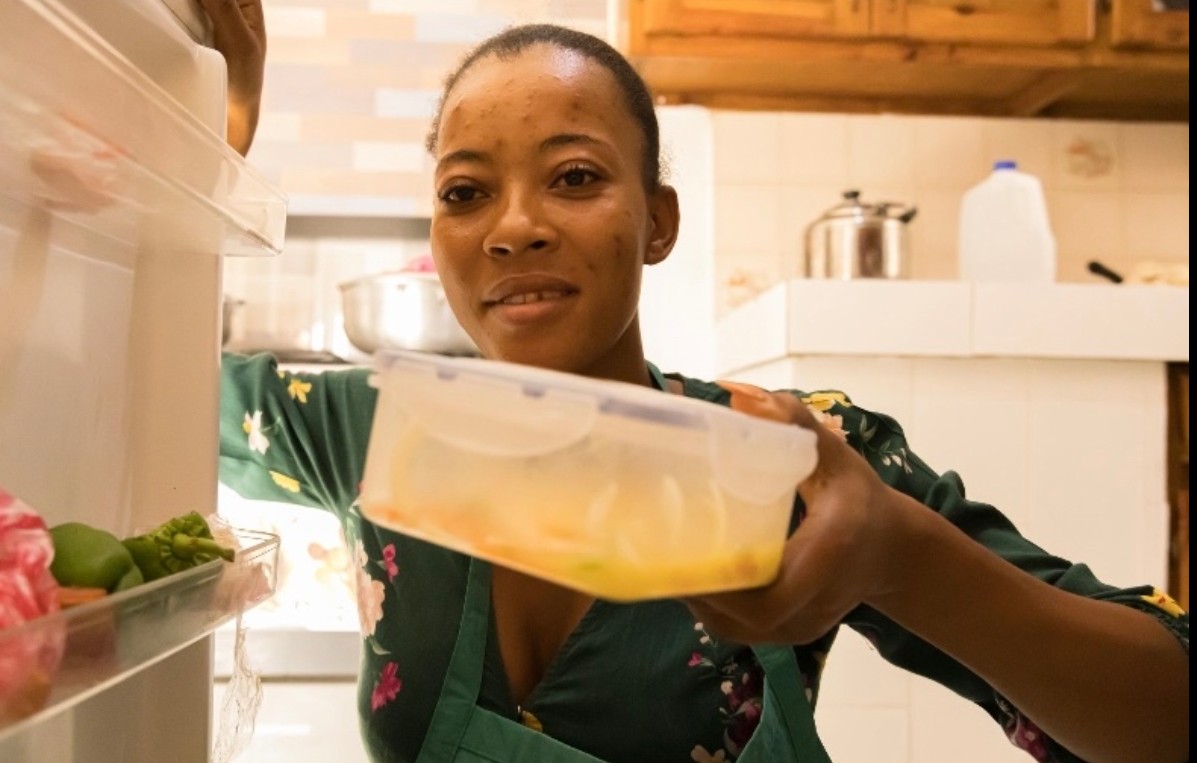
food at room temperature for extended periods, store leftovers promptly in clean, covered containers and keep the refrigerator cold enough. When reheating, heat only what is needed and make sure it is hot throughout.
For households trying to save money and reduce food waste, the message is not to stop eating leftovers. It is to handle them safely. A meal saved for tomorrow can remain a useful way to avoid waste; as long as storage, temperature and reheating are taken seriously.