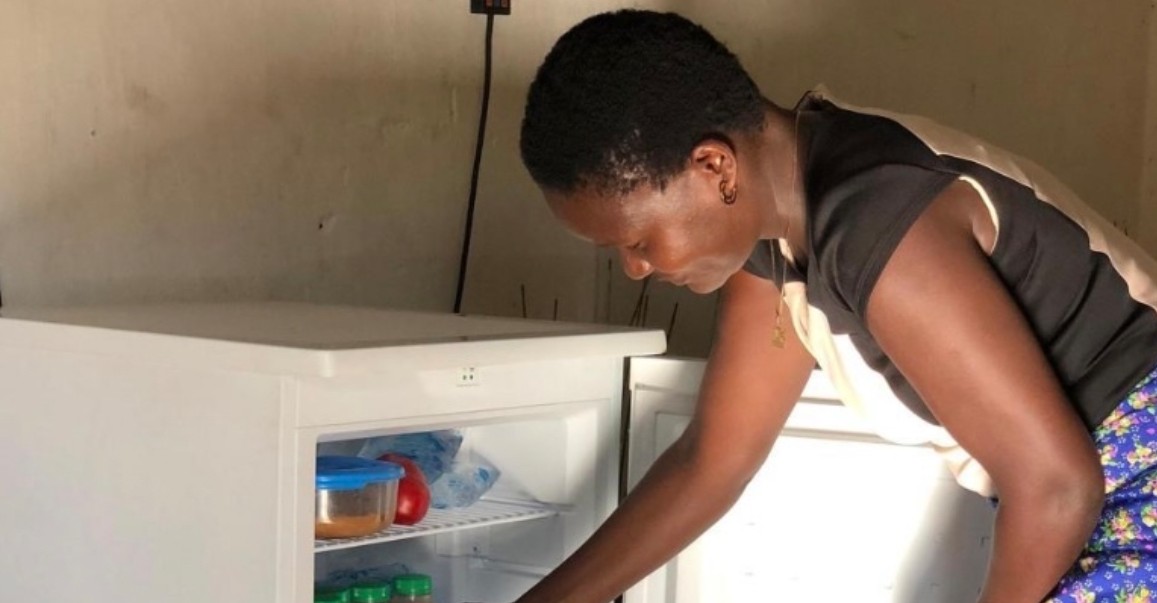
Power cuts are a common reality for many households. But when the electricity goes off for several hours, the refrigerator can become a food-safety concern. Repeatedly opening the door, prolonged exposure to warm temperatures and improper refreezing can encourage bacterial growth and increase the risk of foodborne illness.
Power cuts can compromise the cold chain at home. Keeping the refrigerator closed helps preserve its temperature for longer.
Keep the refrigerator closed
A closed refrigerator can generally keep food cold for about four hours during a power outage. Opening the door repeatedly allows cold air to escape and warm air to enter, shortening this period.
After several hours without electricity, special attention should be paid to meat, poultry, fish, seafood, milk, eggs, cooked meals and other perishable foods. If these foods have been above 4°C for around four hours or more, they should generally be discarded.
Smell and appearance are not reliable safety tests. Food can contain harmful bacteria without looking spoiled or smelling unusual. Tasting a small portion to check whether it is still good is therefore not recommended.
The freezer buys more time
A closed, fully stored freezer can keep food frozen for about 48 hours, while a half-full freezer can generally maintain its temperature for around 24 hours. The less often the door is opened, the longer the food remains protected.
But once frozen food begins to thaw, the situation changes. Food that still contains ice crystals or has remained at 4°C or below can generally be refrozen or cooked. Its quality, however, may deteriorate after refreezing.
Completely thawed does not always mean unsafe
A completely thawed food should not automatically be thrown away. What matters is how warm it became and for how long.
If meat or another frozen product has completely thawed but has remained at refrigerator temperature, around 4°C or below, it can generally be safely refrozen, although its texture may change.
The real danger is when the food has thawed and remained warm for several hours. In that situation, putting it back in the freezer when electricity returns does not make it safe again. Freezing stops bacterial growth, but it does not reliably destroy bacteria or toxins that may already be present.
The freezer is not a reset button.
What should households do?
During an outage, keep refrigerator and freezer doors closed as much as possible. Frozen water bottles or ice packs can help maintain low temperatures, while an insulated cooler can be useful for particularly vulnerable foods.
A food thermometer can also help determine whether food has remained at a safe temperature.
When the temperature history is unknown, especially for highly perishable foods, caution is preferable to taking a risk. A power cut does not automatically make all refrigerated food unsafe, but once food has remained too warm for too long, refrigeration or freezing cannot reverse the potential bacterial growth.