

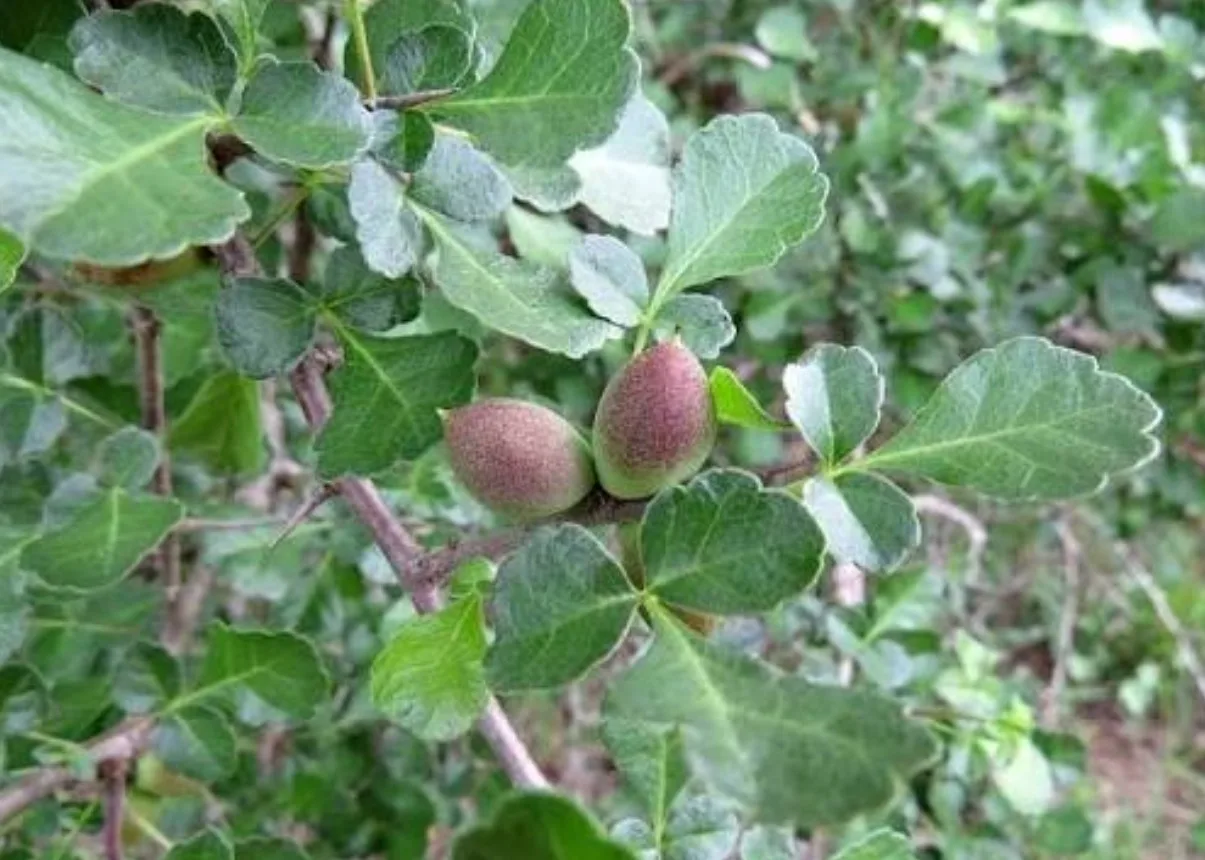
Thanks to its numerous medicinal properties, it relieves digestive problems, joint pain, etc.
In the arid regions of sub-Saharan Africa, nature holds therapeutic treasures, the knowledge of which has been passed down through generations. Among them, Commiphora africana, commonly known as African myrrh, occupies a prominent place in traditional medicine. This shrub, with its thorny branches and precious resin, has long been recognized as a leading natural remedy for relieving many everyday ailments.
A true panacea for the digestive system
The virtues of this medicinal plant are particularly evident in the treatment of gastrointestinal disorders, as Dr. Ibrahim, a naturopath, explains: « Traditionally, the bark of Commiphora africana is prepared as a decoction to soothe persistent stomach aches, calm abdominal spasms, and combat acute intestinal pain. » Furthermore, according to the expert, its antiseptic and astringent properties also make it an effective ally in fighting dysentery and restoring digestive comfort in both rural and urban settings.
A plant with recognized anti-inflammatory and analgesic properties
Beyond its effects on the digestive system, the plant is widely recognized for its beneficial action on the entire body. Extracts from its resin and bark contain active ingredients capable of reducing inflammation and alleviating various bodily pains. Whether it’s joint pain, muscle pain, or skin tension, the specialist reveals that African myrrh acts as a natural soothing agent, restoring mobility and providing relief to users who favor herbal remedies.
A shield against infections and malaria
Commiphora africana also derives its reputation from its ability to combat parasitic and infectious diseases. According to Dr. Ibrahim, in traditional medicine, it is actively used to treat skin infections and promote healing. Even more remarkably, its preparations are traditionally used in the treatment of malaria, a disease endemic to the continent. In some areas, it even serves as a natural antidote to neutralize the effects of certain venoms.
A demanding use and under close surveillance
However, the potency of a plant necessitates great caution. The specialist reminds us that Commiphora africana has strict contraindications. It is strictly forbidden for pregnant and breastfeeding women due to its emmenagogue effects, which can cause uterine contractions and miscarriages.
Acting as a natural beta-blocker, it slows the heart rate and is therefore contraindicated for people suffering from hypotension, arrhythmias, or those taking antihypertensive medication. Its impact on the endocrine system also makes it unsuitable for those with hypothyroidism. Finally, to avoid kidney toxicity or skin allergies, its use must be carefully monitored, bearing in mind that herbal medicine always requires rigor and adherence to dosages. Furthermore, its use is in no way a substitute for hospital treatment.