
From the first days following childbirth, this plant is traditionally known for its purifying properties, believed to promote physical recovery.
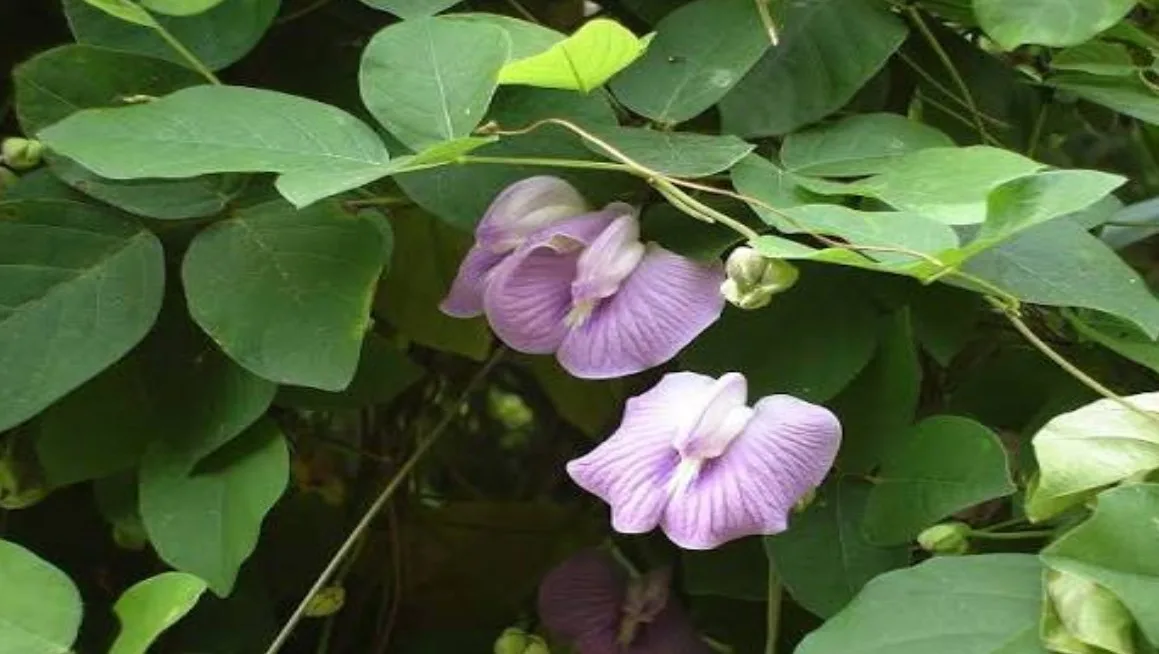
In the culinary customs and traditional medicine of several regions, particularly in West Africa, the return from maternity leave is accompanied by ancestral rituals precious to the new mother. Among the remedies passed down from generation to generation, Centrosema pubescens, more commonly known as velvet bean or velvet bean vine, holds a prominent place. Consumed in the form of hot, spicy soups from the first days after childbirth, this plant is traditionally renowned for its purifying properties, believed to promote physical recovery and facilitate the elimination of lochia, the natural postpartum discharge. « In traditional medicine, it is used in postpartum care to cleanse the uterus after delivery; you can make infusions or baths with it, » explains Nkoumou Germain, a naturopath.
A treasure trove of nutrients for physical recovery
While tradition attributes to it a « cleansing » power on the reproductive system, modern science sheds more light on the exact nature of its benefits. The nutritional richness of Centrosema pubescens is its true strength for postpartum care. « In traditional medicine, it is used in postpartum care to cleanse the uterus after childbirth; you can make infusions or baths with it, » explains Nkoumou
Germain, a naturopath.
The leaves and pods of this vine are exceptionally rich in plant-based protein and essential nutrients. Served in a hot broth, the plant provides a restorative energy boost that effectively helps exhausted new mothers quickly regain strength, warm up, and maintain proper hydration after the exertion of childbirth.
Beyond its nutritional value, Centrosema pubescens is distinguished by a high concentration of active plant molecules. According to the expert, the plant contains numerous tannins and phenolic compounds that act as powerful antioxidants. These substances help the cells of the mother’s body combat oxidative stress and recover from the intense fatigue associated with postpartum labor.
A traditional support for the body’s natural functioning
In reality, a woman’s body has its own self-cleaning system: uterine involution. The uterus contracts naturally thanks to powerful hormonal mechanisms, particularly the secretion of oxytocin, stimulated by breastfeeding. These contractions, called afterpains, expel lochia and close blood vessels completely autonomously. Although the plant does not contain uterotonic molecules capable of directly inducing these contractions, consuming it in soup gently supports the mother’s well-being.
Postpartum health advice and precautions
Despite these nutritional benefits, healthcare professionals emphasize that the use of medicinal plants during breastfeeding requires extreme caution. The lack of standardized dosages presents risks, including the potential passage of certain compounds into breast milk or possible interactions with blood flow.
For optimal and safe recovery, specialists recommend combining healthy practices with basic medical advice: maximum rest, ample hydration, and an iron-rich diet. Strictly external intimate hygiene and frequent urination remain essential to allow the body to do its work. In case of warning signs such as
fever, heavy bleeding, or unusual odors, immediate consultation with a midwife or doctor remains the only safe course of action to protect the health of both mother and newborn.