

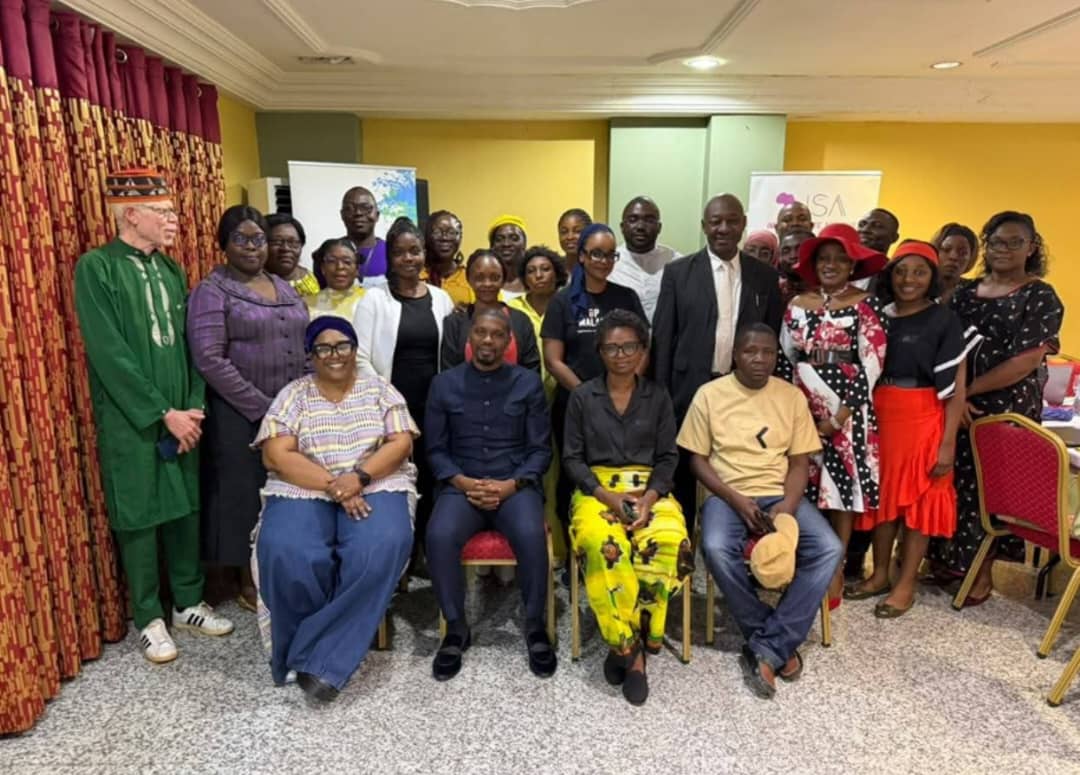
Meeting in Yaoundé on October 8, 2026, under the auspices of the NMCP and Impact Santé Afrique, the joint Task Force held its third quarterly session. Ranging from the preparation of the 2026 LLIN campaign and the analysis of Global Fund financing to the strengthening of community monitoring, public health stakeholders endorsed a groundbreaking strategic partnership.
Under the roof of the Hôtel Jouvence International in Yaoundé, the broader Cameroonian public health family delivered a masterful demonstration of institutional and community synergy on October 8, 2026. Hosting the third quarterly meeting of the joint Task Force—bringing together the National Malaria Control Program (NMCP) and the CS4ME Cameroon coalition—the political capital vibrated with a shared ambition: to permanently eradicate the scourge of malaria from the national territory. Masterfully moderated by the NMCP team and introduced with warm welcoming remarks from Mrs. Sorelle Nguifo on behalf of Impact Santé Afrique, this hybrid session cemented operational mechanisms for public-community co-governance, which is more essential than ever to address current health challenges.
Discussions during this key meeting focused on pressingly critical issues, starting with the communication plan for the upcoming 2026 LLIN Campaign targeting major urban centers in the Centre and Littoral regions. As the mass distribution of Long-Lasting Insecticidal Nets (LLINs) approaches a decisive stage, the involvement of civil society organizations was set as an absolute priority to ensure flawless public buy-in. In the same vein, participants conducted a rigorous technical review of the funding gaps related to the Global Fund’s GC8 grant, a sharp analysis led by Dr. Messe Fouda to identify bottlenecks and optimize resource allocation in the fight against the disease.
The demand for accountability and transparency also held a central place in the discussions, as illustrated by inspiring presentations from Mrs. Diko Nathalie of Plan International Cameroon and representatives of local organizations such as RELESS NSONGON, SHEMKA, NOLFOWOP, as well as Action Islamique de Soa. Their contributions highlighted the concrete impact of community actions carried out closest to vulnerable populations. To complete this information-sharing framework, Mr. Gildas Ndjome of Impact Santé Afrique officially unveiled the new National Community Monitoring Bulletin, a leading technological and analytical tool that enables real-time tracking of care quality and effective community access to basic healthcare services.
The realization of this strategic alliance culminated in the unanimous adoption of six strong, immediately actionable resolutions. These include the operational integration of civil society organizations into the LLIN campaign framework under the close supervision of Dr. Belinga from the Regional Malaria Control Technical Group for the Centre, the rigorous scheduling of 2027 annual work plans, as well as the optimization of distribution channels for the CLM Newsletter. These measures embody the clear determination of all actors to go beyond mere observations and act as a united front to defeat a disease that weighs heavily on the country’s socio-economic development.
In his closing address at these memorable proceedings, the Permanent Secretary of the National Malaria Control Program, Dr. Albert Franck Zeh Meka, commended the unwavering commitment of all stakeholders. He strongly reaffirmed that a structured, rigorous, and accountable civil society remains the central and irreplaceable pillar upon which Cameroon must rely to build a malaria-free health horizon. It is an inspiring vision confirming that this vital union among the State, technical and financial partners, and local community leaders constitutes the cornerstone of national health success.

